


Small utilities are not just navigating a constrained transformer market; they are doing so while their exposure to wildfire risk is rising in both frequency and consequence. The interaction between these two pressures is creating a condition that is operationally fragile. Distribution transformers, particularly pole-top units, are no longer easily replaceable components. They are becoming long-lead, high-consequence assets that must be protected, even more than in the past.
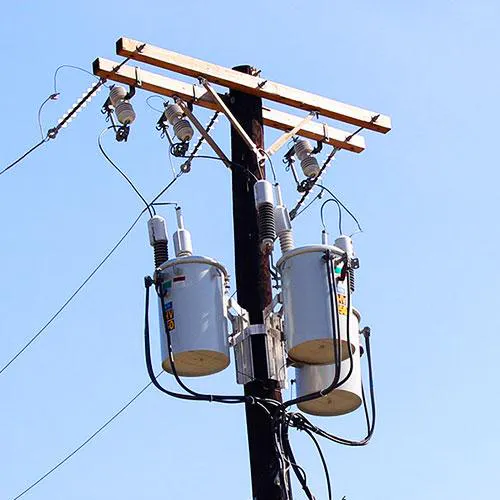
At the ground level, engineers are experiencing a loss of procurement certainty that directly affects wildfire resilience. When a pole-top transformer fails or is damaged in a fire-prone area, replacement is no longer a matter of weeks or even months. For new orders, replacement currently extends 18 to 24 months for smaller utilities.
This changes the nature of system vulnerability. A single asset loss can persist across multiple fire seasons, leaving circuits exposed or forcing temporary configurations that are themselves less robust under fire conditions.
The supply chain dynamic reinforces this exposure. Large utilities, believe they can protect themselves through scale and contractual leverage, but preferential access to Chinese manufacturing capacity may not protect them if sea lanes or ship fuel are challenged. From a wildfire perspective, this means that the ability to harden or restore infrastructure is not aligned with the areas of greatest fire risk, but with the realities of equipment availability. Engineers are increasingly forced to make decisions where risk prioritization is constrained by what can actually be procured.
The existing backlog within transformer manufacturing effectively locks in current delays. Production capacity is already committed well into the future, and incremental improvements are absorbed by existing orders before they reach smaller buyers. For wildfire mitigation, this creates a dangerous lag. Even if a utility identifies a high-risk circuit or a cluster of assets in a known fire corridor, the ability to replace or upgrade those transformers may fall outside the relevant fire season window.
Material constraints continue to bind the system. Grain-oriented electrical steel, copper, and insulation materials remain limited, and tariff pressures add cost and friction without expanding supply. Manufacturers respond by allocating these constrained inputs toward their largest and most stable customers. For smaller utilities, this translates into reduced access precisely when wildfire-driven demand for replacement and hardening is increasing.
Manufacturing capacity is not expanding at a pace that would materially change this outlook. Transformer production requires specialized facilities and skilled labor, neither of which can be scaled quickly. New capacity, where it exists, will take years to influence the distribution market.
Logistics variability adds another layer of risk. Shipping delays, elevated fuel costs, and routing disruptions introduce uncertainty into already extended timelines. While historically, these were not the primary drivers of delay, the macro environment is changing in ways that will increase the likelihood that already late deliveries slip further. For wildfire response, this means contingency planning becomes more complex. Engineers may be forced to adapt system design to available equipment, even when that adaptation does not align with optimal wildfire resilience strategies.
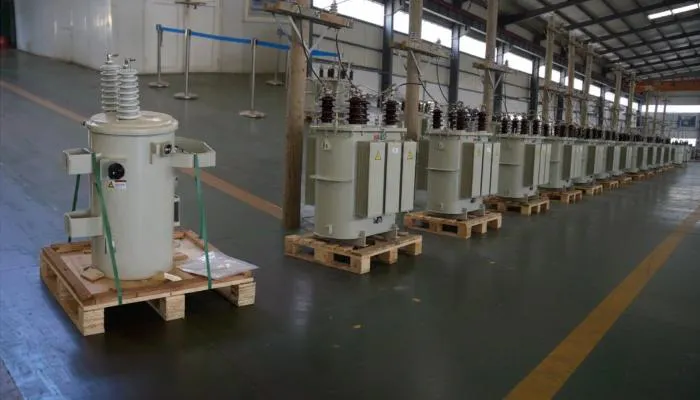
Taken together, these conditions point toward a system where the consequences of asset loss are amplified. The distribution transformer is no longer a readily replaceable component; it is a constrained resource that must be actively protected.
For engineers, this shifts the framing of wildfire mitigation. It is no longer sufficient to focus solely on ignition prevention or vegetation management. There is a growing need to treat key distribution assets as critical infrastructure nodes whose loss carries long-duration operational consequences. Protecting transformers in high-risk areas, whether through targeted hardening, strategic placement, or mitigation of surrounding fuels, becomes a necessary complement to traditional wildfire strategies.
A transformer located in a high-risk fireshed is not just exposed to the probability of fire; it is exposed to the probability of prolonged absence if lost. That absence can cascade into reliability issues, extended outages, and constrained operational flexibility during subsequent fire weather events.
The uncomfortable conclusion is that smaller utilities are operating within a system where both supply chain access and wildfire exposure are structurally misaligned with their needs. Without a significant and unlikely near-term expansion in manufacturing capacity, delivery timelines will remain extended. In that environment, protecting existing assets becomes as critical as planning for their replacement.
Athena is an enterprise climate-risk data service that transforms complex wildfire dynamics into actionable economic intelligence. [email protected]