


The Energy Central Community runs on more than just a platform or a team—it runs on the energy, expertise, and generosity of its members. Every article you publish, every comment you leave, and every resource you share helps push the conversation forward and keeps this network vibrant and valuable.
With that, it’s time to recognize the members who stood out in February. Today, I’m proud to unveil our February 2026 Monthly Top Contributors.
Each month, we spotlight three individuals who made a meaningful difference—whether by consistently sparking thoughtful dialogue, offering deep industry perspective, or stepping onto the scene and immediately making an impact:
Grid Builder of the Month
Power User of the Month
Rising Star of the Month
And now, let’s celebrate the members who helped set the tone for the new year 👇
Grid Builder of the Month: John Benson
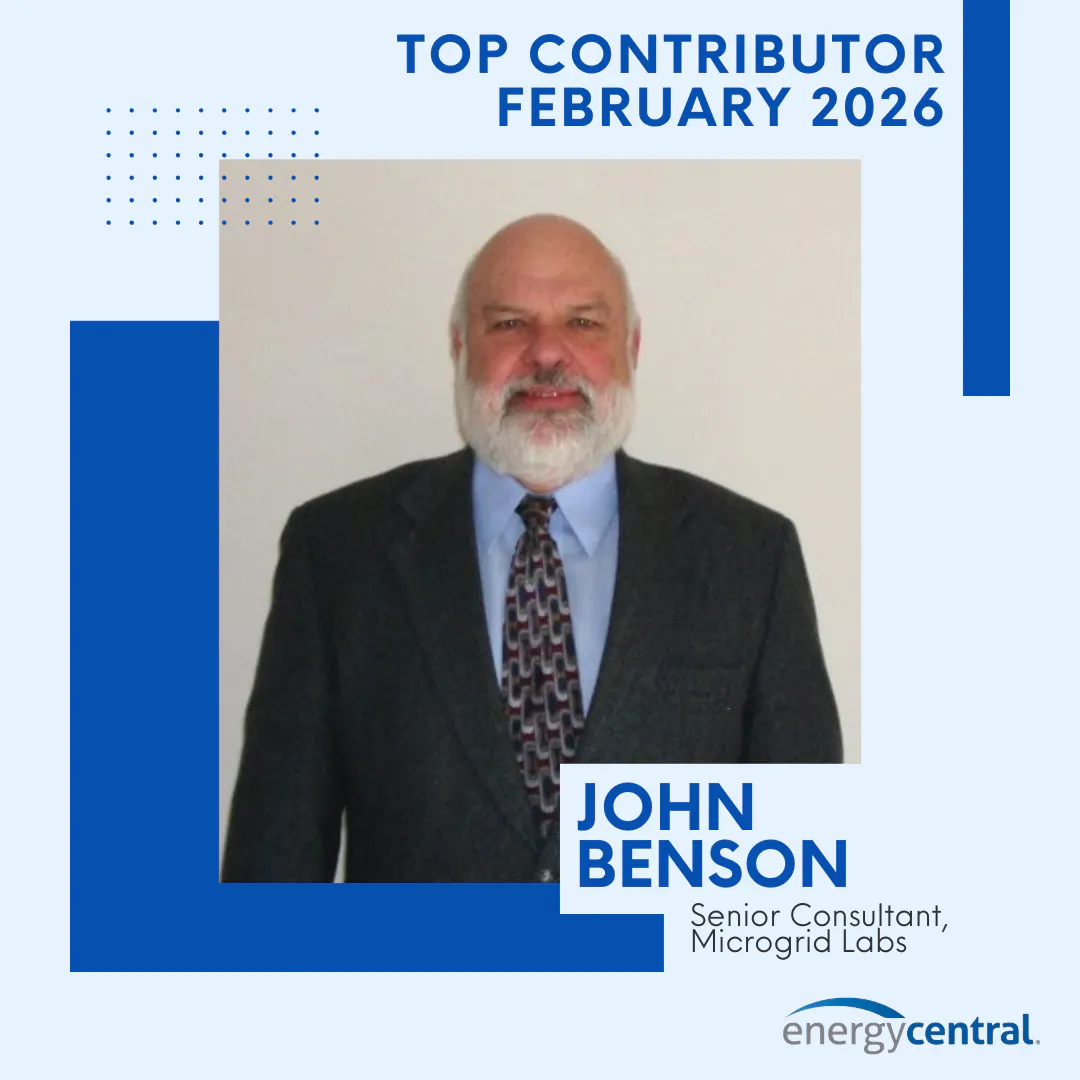
For starting the conversation that generated the most engagement across the Energy Central platform.
Post: Six Largest Western U.S. BESS Projects (9 total comments)
Notable Comments:
Michael Keller: The deployment of batteries is an attempt to store excess solar energy. That excess solar energy is a result of inane politically driven overbuilding to kowtow to the left.
Batteries need to be recharged and that energy cost needs to be accounted for in the net cost of electricity from a solar/battery resource. That cost is heavily impacted by subsidies.
So it’s not that there’s no history — it’s that the history often isn’t audit-grade or dispute-resistant. Cryptographic chaining + external time anchoring turns “we have logs” into “we can prove these logs weren’t rewritten after the fact.”
On your last question: it’s both. Retention cost and operational constraints drive log rotation, and there’s also a common assumption that “internal logs are sufficient” until a major incident creates an adversarial or legal context.
Curious: from what you’ve seen, is the bigger blocker usually retention/cost, or the organizational appetite to make logs independently verifiable?
Larry Hooks: Subsidies have been a part of American power since 1932. The railroads, canals, dams, interstates to this day have been largely subsidized. I fail to see that american subsidies have been a net negative.
Power User of the Month: Julian Silk
For driving community discussion with the most thoughtful and active commenting this month.
Total Comments: 9
Notable Comments:
On NEWS: SoftBank to spend an eye-popping $33B to build huge U.S. gas power plant: This announcement and the next one reported seem rather inconsistent with the argument that natural gas plants are not needed, do they not? You will have to forgive me for thinking gas turbine shortages are a terribly serious constraint that will never be solved - some solutions will come from microturbines and some purchasers may choose single-cycle turbines with an option to switch to combined-cycle later - Turbine delays: Solving the puzzle critical to an affordable, reliable energy future
On NEWS: San Francisco seeks breakaway from PG&E to create public utility: It's not ideal to be agreeing with PG&E, but in this case they are right. There are a number of publicly owned cooperatives, but in 2017, they served only a little more than 1/5th the number served by privately owned utilities and cooperatives. See https://www.eia.gov/todayinenergy/detail.php?id=40913
The San Francisco plan, if implemented, would cause major financial difficulties for PG&E - PG&E is probably right that the distribution facilities are being undervalued. Moreover, being San Francisco, they would try to deal exclusively with renewable generation (you can just imagine the protesters outside the offices if they heard this municipal utility were buying big amounts of coal from Utah), and the electricity bills would not come down, to put it mildly.
There are relatively few publicly-owned utilities for electricity generation. People should understand why.
Rising Star of the Month: Pradyumna Gupta
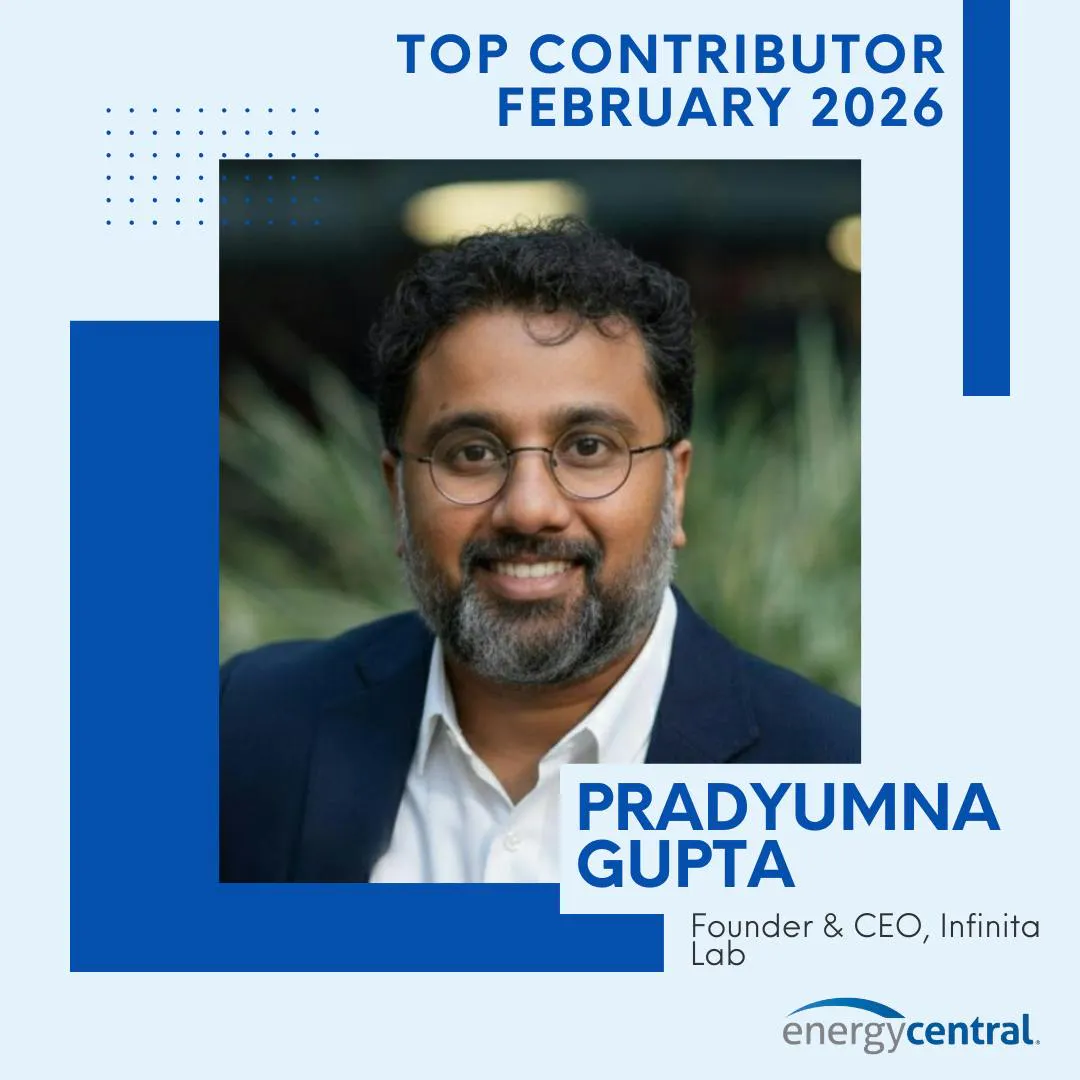
For jumping into the Energy Central community as a new member and making an immediate impact through valuable contributions.
Member since: February 9, 2026
Highlights: Joining the community and diving in with two immediately impactful pieces:
Renewables 2.0: How Innovation is Powering the Next Wave of Clean Energy Growth
Designing the Search Space: AI as the New Engine of Materials Science
Starting now, the winners will enjoy a special badge on their Energy Central profile for the next month recognizing their selection.
Maybe next month, you’ll be a top contributor! Need more motivation? We’re raffling off a special prize at the end of the year, and only top contributors will be entered to win.
So keep posting, commenting, and connecting!
Next recognition coming the first week of April