


The year 2025 marks an inflection point in the history of the global energy infrastructure. Utility-scale Battery Energy Storage Systems (BESS), having expanded four-to-five-fold since 2020 to reach an installed base approaching 3 TWh, has moved beyond its experimental phase into a period of industrial maturity and chemical diversification. The era where a single lithium-ion chemistry (NMC) served everything from consumer electronics to electric vehicles (EVs) and grid services has ended. In its place, competitive forces compelled the rigorous matching of specific electrochemical properties to distinct uses, where Lithium Iron Phosphate (LFP) batteries in the short-duration (2–4 hour) dominate the utility-scale sector.
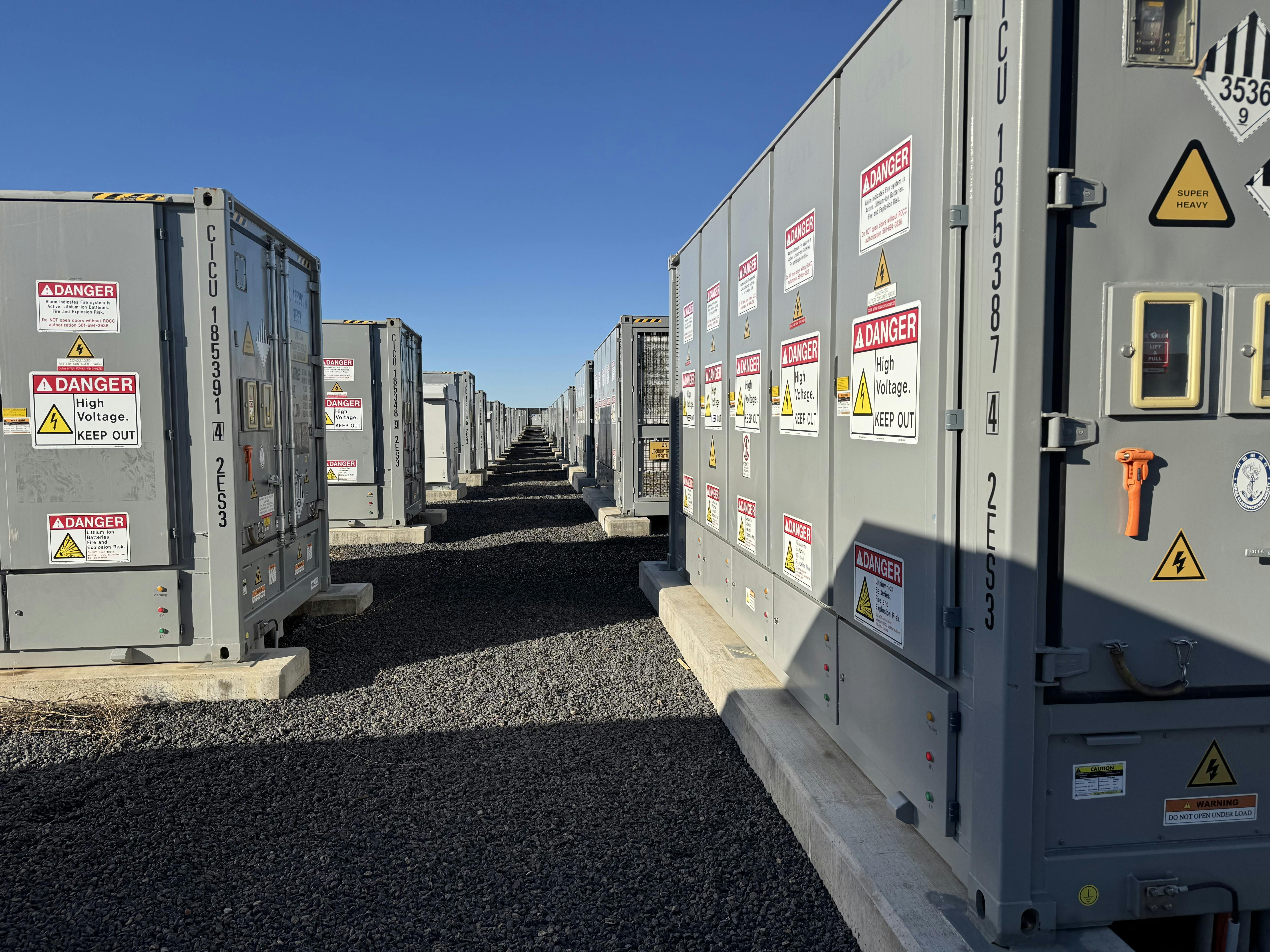
In its place, competitive forces compelled the rigorous matching of specific electrochemical properties to distinct uses, where Lithium Iron Phosphate (LFP) batteries in the short-duration (2–4 hour) dominate the utility-scale sector. Driven by a structural decoupling from the EV performance race, LFP has displaced Nickel Manganese Cobalt (NMC) due to superior cycle life, stronger safety profiles, higher thermal runaway temperatures, and immunity to cobalt supply chain volatility. By late 2025, LFP commands over 75% of the stationary storage market, with pack prices breaching the $100/kWh threshold in competitive markets, effectively commoditizing short-duration storage.
However, the most disruptive development of the mid-2020s is the commercial breakout of Sodium-Ion (Na-ion) technology. Once a theoretical contender, Na-ion has entered gigawatt-scale mass production in 2025. While currently trailing LFP in energy density, Sodium-Ion’s superior low-temperature performance and reliance on ubiquitous soda ash rather than volatile lithium carbonate, position this chemistry as the primary challenger for the utility throne in temperate and cold-climate zones by 2030.
Simultaneously, the Long-Duration Energy Storage (LDES) sector has transitioned from benches in labs to commercial reality. The commissioning of Form Energy’s 1.5 MW/150 MWh Iron-Air pilot in Cambridge, Minnesota, in late 2025 serves as a technological bellwether for multi-day storage. Domestic US innovators like Eos Energy Enterprises are also scaling zinc-halide chemistries, supported by significant capital infusions and state-level manufacturing incentives in Pennsylvania.
This chemical diversification is occurring against a backdrop of intense geopolitical friction. The United States, navigating the complex implementation of the Inflation Reduction Act (IRA) and the subsequent "One Big Beautiful Bill Act" (OBBBA) of July 2025, has seen a bifurcation of its domestic market. While downstream deployment is booming, the midstream manufacturing sector has faced significant attrition, evidenced by the cancellation of gigafactory projects by players like Freyr and Kore Power, who struggled to compete with the capital efficiency of Asian manufacturers.
This report provides a technical and market overview of these trends. It examines the physics of thermal runaway risks, the economics of material supply chains, and the policy frameworks shaping the battery chemistry mix of the next decade.