


𝗔𝗻𝗱 𝗱𝗼 𝗿𝗲𝗻𝗲𝘄𝗮𝗯𝗹𝗲𝘀 𝗰𝗼𝗻𝘁𝗿𝗶𝗯𝘂𝘁𝗲 𝘁𝗼 𝗵𝗶𝗴𝗵𝗲𝗿 𝗲𝗹𝗲𝗰𝘁𝗿𝗶𝗰𝗶𝘁𝘆 𝗰𝗼𝘀𝘁𝘀?
A✌️450-word✌️2.5-minute✌️read
As we enter a mid-term election year, affordability is a political focal point. As it pertains to climate change, the cost of electricity is front and center. I’ve written about this before, and will undoubtedly write about it again.
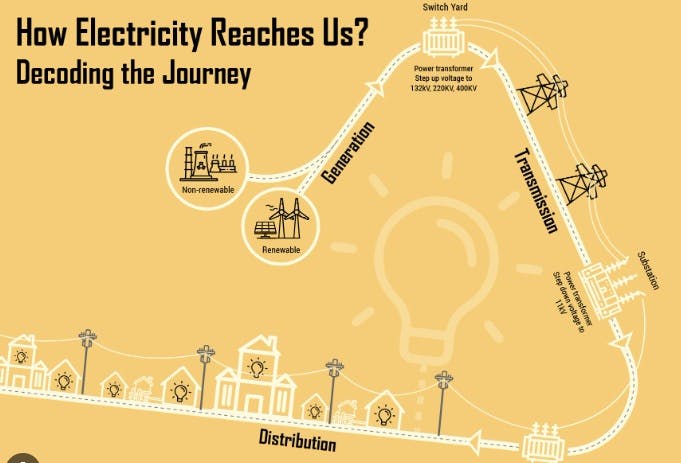
Data centers are an easy target, but far from the sole contributor to escalating costs. Another, and perhaps more impactful factor, is that for a prolonged period of time, we have under-invested in our grid. The growth in AI, data centers, and renewables, has prompted a rush to catch up on this lagging investment.
The state of New York is illustrative of the dynamics.
In 2023, New York’s Public Utility Commission approved spending $4.3 billion on 62 transmission projects. Many of these projects are needed to move power from where it’s being generated, to where it’s actually used.
Projections indicate that the average residential household will pay between $32 and $64 more per year for these upgrades. That isn’t a huge amount of money, but it’s only one factor that is putting upward pressure on electric prices.
However, that isn’t the point I want to make today.
Today’s point has to do with how and where renewable energy is developed. In New York most solar development is occurring in the northern-most and western -most parts of the state.
Why?
Because land is abundant, and it’s much less expensive to build projects in rural areas. In the southern part of the state, land is scarce and consequently prohibitively expensive.
Makes sense right?
If you support solar energy, yes.
The problem is that in New York - and many other states - we’re building power plants in areas where there is no need for power. These areas happen not to have the most robust infrastructure because the sparse population made it unnecessary.
The result: New York - and other states – are spending money to move power from one region to another. And the only reason that is necessary is because it’s problematic to locate renewables in densely populated regions.
The end result is that renewables are driving infrastructure upgrades that wouldn’t otherwise be required if power projects were located near the population centers that use the power.
Supporters of renewable energy conveniently ignore this dynamic when they claim that renewables are not the reason why energy costs are increasing.
That’s not to say renewables are the primary cause of price increases. I doubt they are.
However, the need for inexpensive land to develop solar projects does necessitate additional infrastructure investments. And when assessing the cost benefits of renewables, those investments should be factored into the equation.
#solarenergy #renewables #electricgrid #utilityinfrastructure
