


In some outdoor energy storage cabinet and EV charging station projects, it is still common to see designs that add a “roof-type rain shield” on top of the enclosure to achieve water protection. While this approach may seem straightforward initially, from a systems engineering perspective, it often introduces a series of cascading effects.
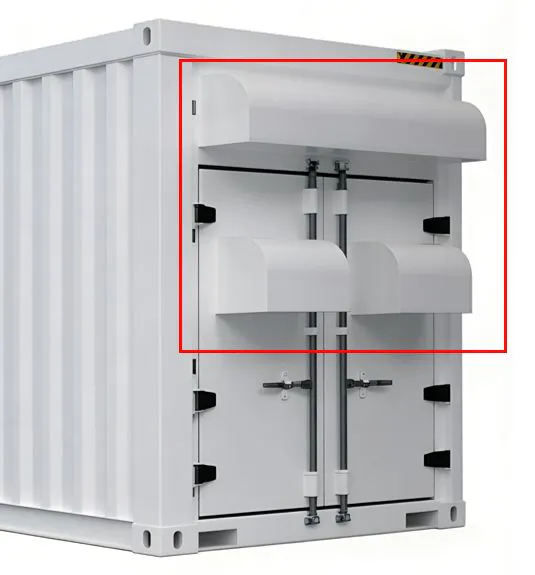
🔄 Altered airflow patterns: The additional roof can cause airflow recirculation or backflow, disrupting the intended inlet and outlet paths.
🌡 Reduced heat exchange efficiency: Turbulence and increased system resistance negatively impact effective cooling performance.
📦 Structural redundancy: Enlarged external dimensions increase occupied space.
💰 Higher overall cost: Additional materials, assembly processes, and transportation volume raise total system cost.
As energy storage systems and EV charging equipment continue to demand higher integration, compactness, and efficiency, add-on structures are not always the most rational solution.
An alternative approach is the use of integrated rainproof and dustproof louver designs, capable of achieving IP44–IP65 protection ratings within only 30–80 mm of structural depth, without the need for an external roof structure.
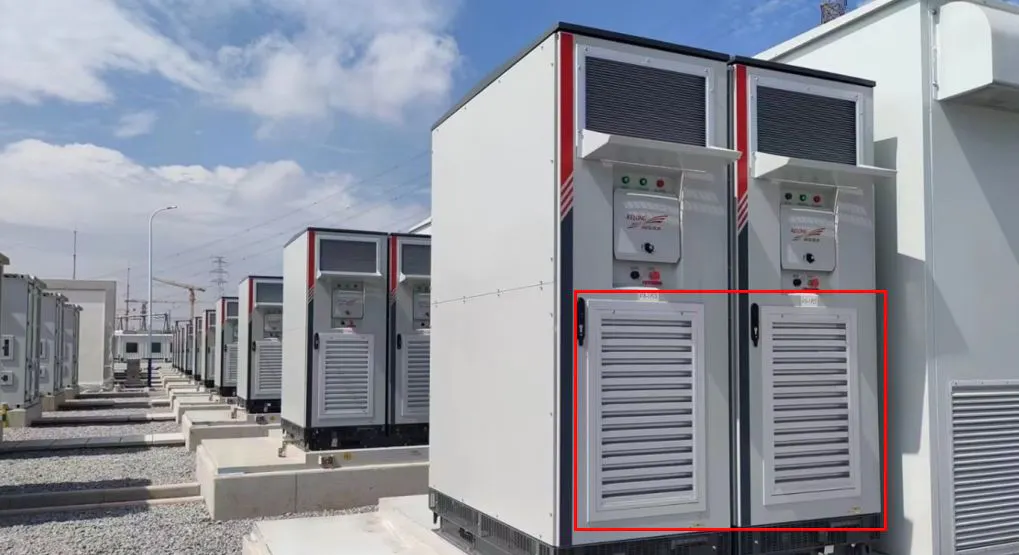
From an engineering standpoint, the advantages include:
· Compact protection within limited installation space
· Stable airflow paths with reduced pressure loss
· Improved structural integration
· Optimized shipping and container utilization
In addition, the rear side of the louver can directly integrate:
· Axial or centrifugal fans
· Fan mounting plates
· Acoustic insulation materials
· Customized filtration or protective components
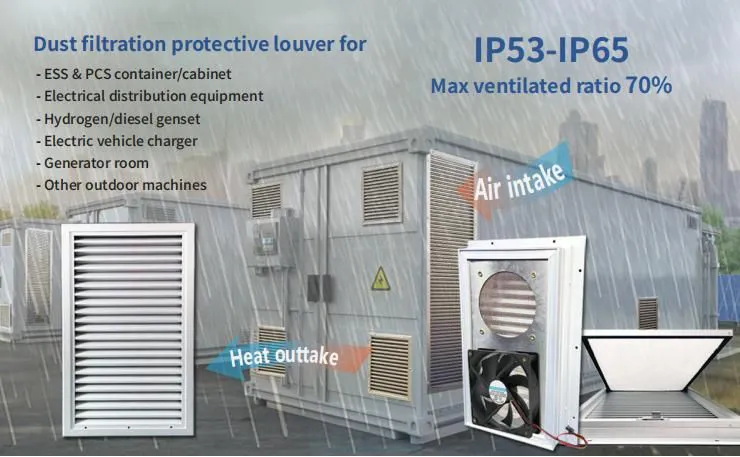
This enables a more integrated solution for ventilation, environmental protection, and noise control 🔧.
As outdoor equipment evolves toward higher power density and greater structural integration, consolidating protection and airflow management within the enclosure design itself is often a more efficient and technically coherent approach than relying on external add-on structures.
Question:
Which waterproofing strategy is applied to the ventilation openings in your cabinets and containers?