


A✌️466-word✌️under 3-minute✌️read
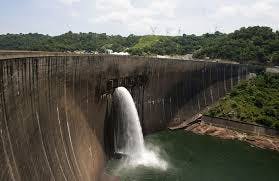
Did you know that hydropower remains the world’s largest source of clean energy?
It accounts for about 14% of global electricity generation and more than 50% of the world’s renewable generation.
In the U.S. however, hydropower only accounts for about 6% of power generation. Not huge, but not inconsequential. But even that contribution is at risk as the U.S. regulatory environment has hydropower swimming upstream.
The government owns about half the hydropower in the U.S. but about 40% or 450 hydroelectric stations must be relicensed over the next 10 years. Those facilities generate about 16 gigawatts of power.
Some interesting facts about U.S. hydropower:
▶ The average age of U.S. dams is 65 years. That makes the nuclear industry look modern in comparison.
▶ Because of the lack of new hydro development, most of the domestic manufacturing for turbines and other components has disappeared.
▶ And the most surprising fact – according to the National Hydropower Association (NHA), it takes an average of eight years to relicense an existing facility. That’s over five times slower than the time it takes to relicense a nuclear facility.
What is wrong with that picture?
I’ll tell you: fish.
The Fish and Wildlife Service worries about such things and it can require a National Environmental Policy Act review to determine a dam’s impact on a specific fish species. Since such a review requires multiple spawning cycles, this can take years.
It gets worse.
Fish and Wild Life can require hydro operators to conduct multiple studies to assess, for example, salmon and trout, or any other fish it deems in jeopardy.
And because there is no central body that oversees hydropower like the Nuclear Regulatory Commission for nuclear, the states can participate in the process.
Another tidbit most people are unaware of is that in the 1970’s when hydro was big and well-healed financially, state agencies would leverage recertification to fund local pet projects.
Malcolm Woolf, the CEO of the NHA claims that in the past these projects have ranged from building an amphitheater for the Boy Scouts to funding a feral pig eradication program.
Still, the main issue is fish, and ensuring their safety can be cost prohibitive and negatively impact power production.
Like other sources of clean energy, the U.S. is headed in the opposite direction as much of the rest of the world. China – of course China – is in the process of building the world’s largest hydroelectric facility in Tibet. And Brazil plans to invest $1 billion to boost hydropower.
For various reasons - including the massive amount of cement required to build dams - the climate movement pays little attention to hydropower. However, the lack of attention may result in something the climate effort can ill afford: the need to replace an existing source of clean energy.
#hydropower #hydroelectricity #hydroelectricpower
