


𝗧𝗵𝗶𝘀 𝗲𝘀𝗼𝘁𝗲𝗿𝗶𝗰 𝗱𝗲𝗯𝗮𝘁𝗲 𝗵𝗮𝘀 𝗺𝗮𝗷𝗼𝗿 𝗶𝗺𝗽𝗹𝗶𝗰𝗮𝘁𝗶𝗼𝗻𝘀
A✌️437-word✌️2-minute✌️read
Given recent posts, this esoteric debate is timely.
𝗧𝗵𝗲 𝘀𝘂𝗯𝗷𝗲𝗰𝘁: calculating the cost of generating electricity.
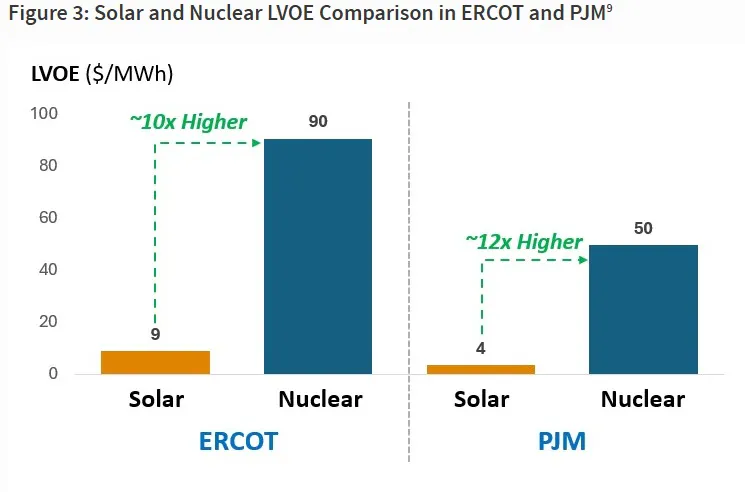
𝗧𝗵𝗲 𝗱𝗲𝗯𝗮𝘁𝗲: LCOE (levelized costs of energy) versus LVOE (levelized value of energy).
𝗧𝗵𝗲 𝗶𝗻𝘁𝗲𝗿𝗲𝘀𝘁𝗲𝗱 𝗽𝗮𝗿𝘁𝗶𝗲𝘀: solar versus nuclear.
𝗧𝗵𝗲 𝗯𝗮𝗰𝗸𝗴𝗿𝗼𝘂𝗻𝗱:
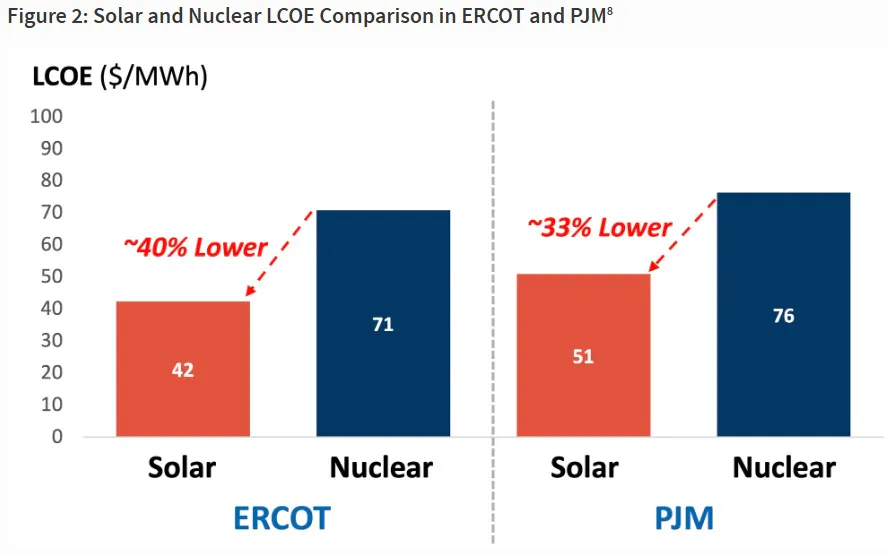
▶ LCOE is the recognized standard to estimate the cost of producing a megawatt-hour of electricity. Investment bank Lazard’ has published an annual LCOE report for 18 years.
▶ The report consistently indicates that solar offers the lowest cost of energy production (as low as $29 per MWh) and nuclear is expensive (as high as $222).
The LCOE calculation takes a generator discounted for future costs, adds the generator’s operating and capital expenditures, then divides it by the energy a system is projected to output over its discounted life.
The problem is that LCOE leaves out some potentially vital variables. These include required infrastructure upgrades, operating parameters (intermittent versus baseload) and project lifespan. All seem like logical inputs if the goal is to accurately estimated the cost of energy over a project’s life, and not just at a single point in time.
The infrastructure upgrade expense relates to Monday’s post that highlighted New York’s need to build expensive transmission infrastructure to move solar power generate in the sparsely populated north, down-state to where most of the population resides.
The LCOE versus LVOE debate wasn’t top of mind when I stated that this cost should be a consideration. Logic was. If one power source requires an upgrade and another doesn’t (and never will), that’s a key factor to estimate the actual cost of energy production.
Today, FTI Consulting published a report examining two new metrics: LVOE and levelized net benefit (LNB) which quantifies a projects overall value. These metrics indicated that in both ERCOT in Texas and PJM – the country’s largest RTO – solar was about 40% lower in cost based on LCOE while nuclear generated an LVOE value roughly 10 times greater.
This isn’t an endorsement of LVOE.
FTI is a public company, but counts among its clients, companies that profit from nuclear technology.
The Clean Air Task Force (CATF) also believes a reassessment of LCOE is in order. However, according to IA, although CATF is not considered “biased” in the traditional sense, it has long advocated for nuclear energy.
Therefore, both organizations may be somewhat biased. Regardless, it seems that the debate is valid and it would be worthwhile to have both sides present their best case, and allow an impartial third-party to decide which approach is better suited to achieve our climate goals.
#LCOE #LVOE #nuclearenergy #solarenergy