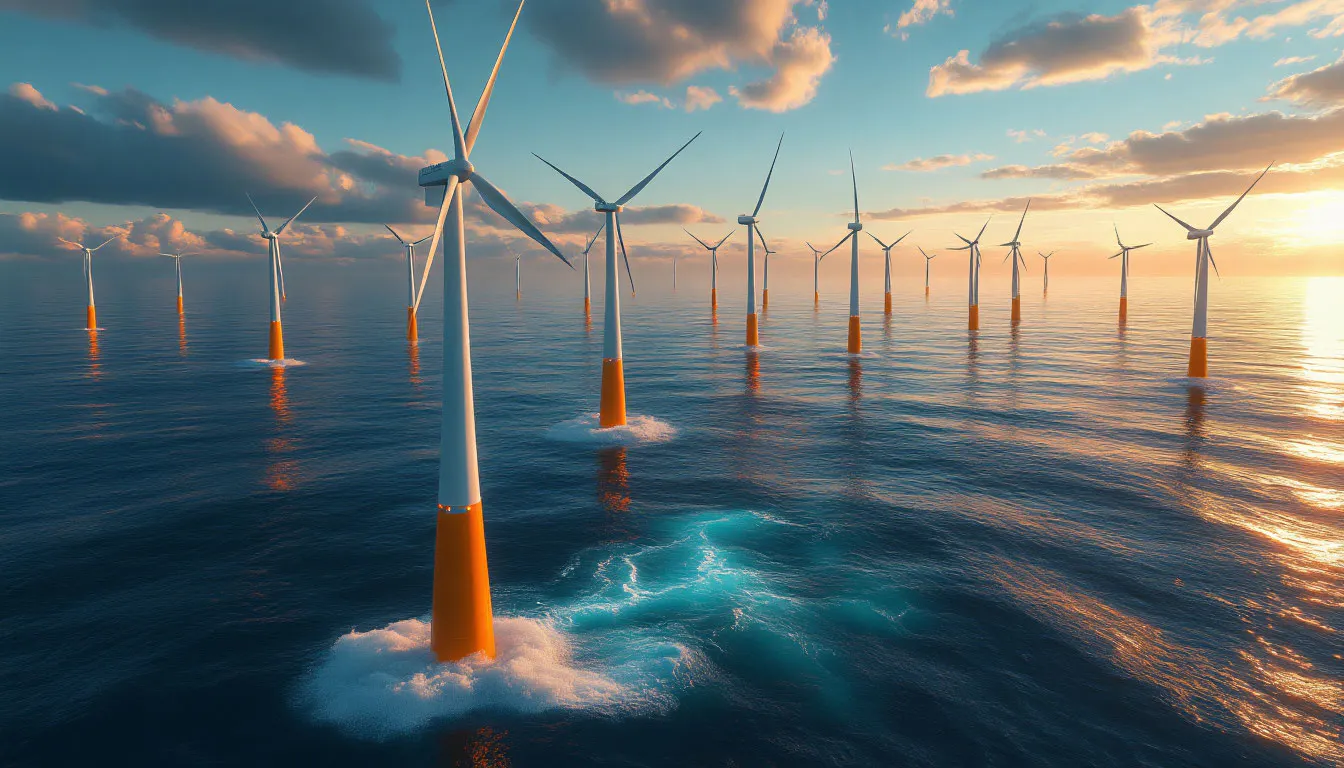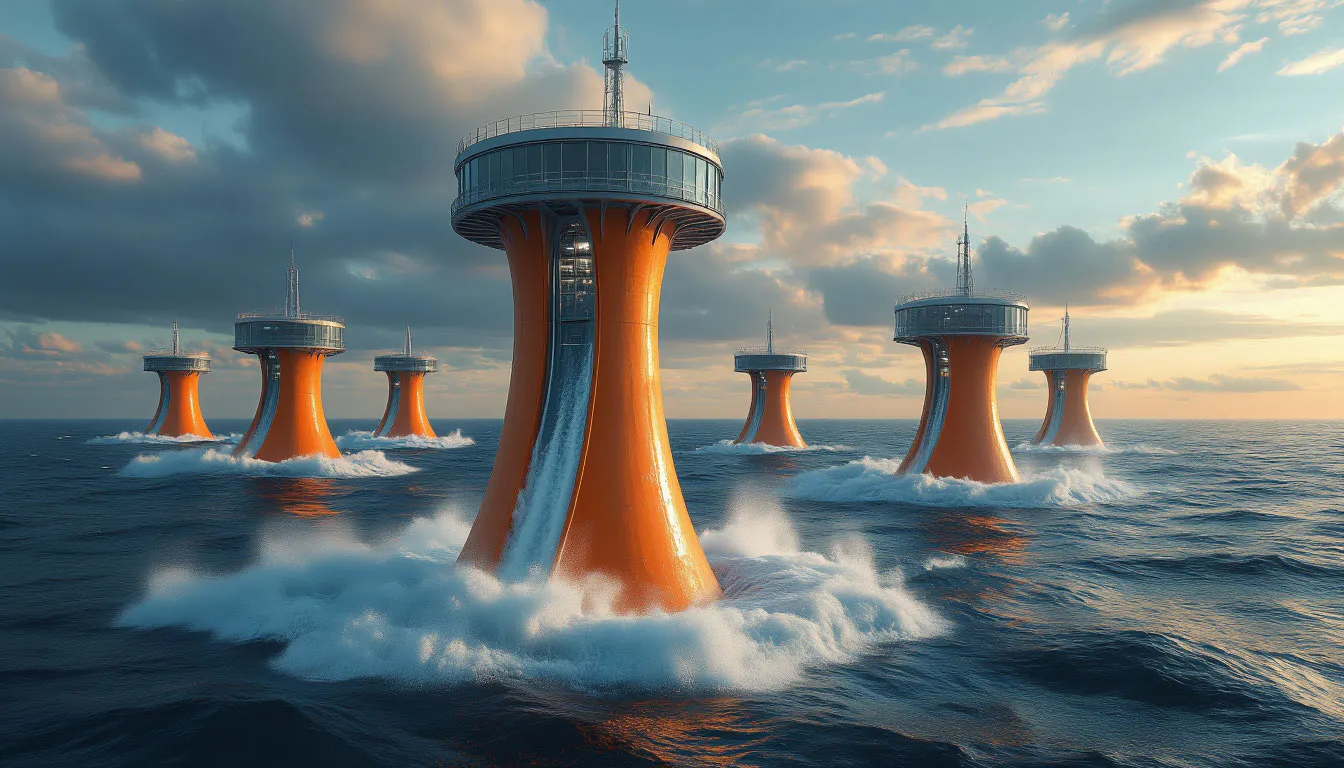
Large hydroelectric power plants (HPPs) have a complex impact on the Earth’s planetary systems, affecting climate, hydrology, biosphere, and geomorphology. Here are the key aspects based on scientific data:
1. Climate Impact
Greenhouse Gas Emissions:
Reservoirs of HEPs in the tropics emit methane (CH₄) due to organic matter decomposition underwater. For example, the Petit Saut Dam (French Guiana) generates up to 40 kg CH₄ per MWh — three times more than coal-fired power plants. Methane is 28 times more potent than CO₂ in causing warming Mongabay.Global Contribution: Hydropower accounts for 1.3% of anthropogenic CH₄ emissions.
Albedo Change:
Reservoirs reduce surface reflectivity (albedo), especially in northern latitudes. Frozen rivers have an albedo of 60–80%, while open water has only 5–10%, increasing solar energy absorption Greenly.
2. Disruption of the Hydrological Cycle
Sediment Reduction:
Dams retain up to 25% of global river sediment flow. The Mekong Delta will lose 97% of sediment deposits by 2040, accelerating its submersion due to sea-level rise Mongabay.River Flow Alteration:
Artificial flow regulation (e.g., the Three Gorges Dam in China) disrupts seasonal floods critical for fish spawning and agriculture.
3. Impact on the Biosphere
Biodiversity Loss:
River Fragmentation: 37% of large rivers (>1,000 km) remain free-flowing. Dams block fish migration (e.g., sturgeon in the Danube, whose populations declined by 99% over 30 years).
Ecosystem Flooding: The Tucuruí Dam (Amazon) destroyed 3,014 km² of forests, leading to endemic species extinction Mongabay.
Invasive Species:
Reservoirs create conditions for invasive plants and animals, disrupting local ecosystems.
4. Geomorphological Changes
Downstream Erosion:
Sediment-starved rivers erode banks and deltas. The Nile loses 160 million tons of silt annually due to the Aswan Dam, threatening Egyptian agriculture.Seismic Activity:
Water mass in reservoirs (e.g., 39.3 km³ at the Three Gorges Dam) may induce earthquakes. Cases recorded in China and India FESS Global.
5. Socio-Economic Consequences
Population Resettlement:
The Three Gorges Dam displaced 1.27 million people, while Amazonian dams affected tens of thousands of indigenous communities.Resource Conflicts:
Transboundary basin projects (Nile, Mekong) escalate political tensions. For example, Ethiopia’s Grand Ethiopian Renaissance Dam sparked disputes with Egypt over water usage.
6. Positive Aspects
CO₂ Emission Reduction:
HPPs replace coal plants, preventing emissions. The Three Gorges Dam reduces CO₂ emissions by 100 million tons annually FESS Global.Flood Control:
Chinese HPPs prevented $30 billion in flood damage over 20 years.
Conclusion
Large HPPs are a “Janus-faced” energy source: they reduce fossil fuel dependence but disrupt planetary systems through climate change, biodiversity loss, and geomorphological shifts. Sustainable development requires transitioning to small-scale HPPs and dam-free technologies (e.g., tidal installations like HYPOT) that minimize ecological damage.
Comparison of Environmental Damage from Different Types of Power Plants
Hydroelectric Power Plants (HPP)
Main Types of Damage:
Flooding of territories (340,000 km² worldwide)
Greenhouse gas emissions (methane, CO₂)
Destruction of floodplain ecosystems
Disruption of fish migration
Cost Estimates of Damage:
Direct losses: $10-15 billion annually
Indirect damage (loss of biodiversity, fish resources): $5-7 billion
Compensation costs (fish passages, environmental flows): $2-3 billion
Wind Farms (WPP)
Environmental Impacts:
Bird mortality (573,000 individuals annually in the US)
Bat mortality (600,000 individuals annually in the US)
Landscape alteration
Noise pollution
Cost Estimates:
Wildlife damage compensation: $10-15 million annually
Landscape restoration: $5-7 million
Monitoring costs: $2-3 million
Total annual costs: $17-25 million
HYPOT Module Complex
Environmental Impacts:
Minimal land use
No greenhouse gas emissions
Local ecosystem impact
No significant impact on fauna
Cost Estimates:
Environmental monitoring: $1-2 million annually
Operational expenses: $0.5-1 million
Impact mitigation costs: $0.5-1 million
Total annual costs: $2-4 million
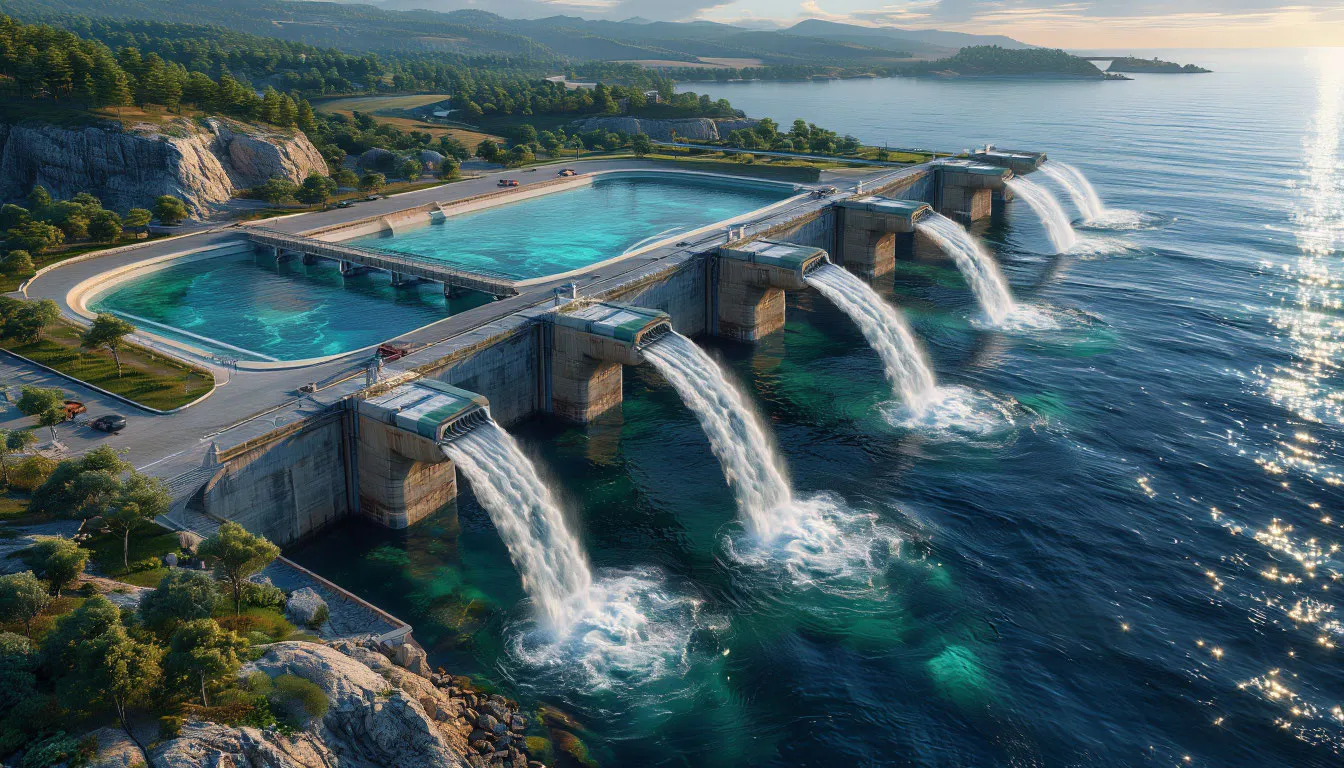
Comparative Analysis
Indicator
HPP
WPP
HYPOT
Direct losses
$10-15 billion
$17-25 million
$12-14 million
Impact on fauna
High
Medium
Low
Ecosystem damage
High
Low
Minimal
Greenhouse gas emissions
High
None
None
Annual compensation costs
$5-8 billion
$17-25 million
$12-14 million
Conclusions
Cost Indicators of Damage:
HPP demonstrates the highest damage with compensation costs in billions of dollars
WPP has moderate damage indicators with costs in millions of dollars
HYPOT shows minimal environmental damage indicators
Technology Selection Recommendations:
For large-scale energy generation, HYPOT technology is the optimal choice
WPP is suitable for land-based generation provided biota protection measures are implemented
HPP construction is not recommended due to significant environmental damage
HYPOT technology demonstrates the best performance in terms of environmental impact and associated economic costs. Comprehensive Analysis of HYPOT and Wind Farm
Economic Analysis
HYPOT Advantages:
Longer service life (30-40 years vs 20-25 years)
Stable energy production regardless of weather conditions
Ability to operate in various climate zones
Lower dependence on seasonal factors
Economic Factors:
Higher initial cost is compensated by:
Longer operational period
Stable performance
Lower energy transmission losses
Low dependence on weather conditions
Climate Analysis
HYPOT Adaptability:
Capability to operate in different climate zones:
Arctic zone (with ice protection)
Temperate zone
Subtropical zone
Resistance to:
Strong currents
Wave loads
Ice cover
Temperature fluctuations
Technological Analysis
Automation Advantages of HYPOT:
Fully automated control system
Minimal human intervention
Remote monitoring and control
Automatic adaptation to flow changes
Intelligent diagnostic system
Comparative Risk Analysis
Wind Farm:
Dependence on wind speed
Risks of damage from storms
Need for large land areas
Challenges with transportation of large equipment
HYPOT:
High initial investment
Complexity of underwater construction
Need for ice protection systems
Specific maintenance requirements
Promising Development Areas
Technological Improvements:
Material improvement to reduce structure weight
Development of remote monitoring systems
Enhancement of ice protection systems
Optimization of power conversion systems
Economic Prospects:
Reduction in component production costs
Production scaling
Optimization of construction technologies
Development of service solutions
Environmental Aspect
HYPOT Advantages:
Lesser impact on landscape
Possibility of placement in remote areas
Minimal influence on terrestrial ecosystems
More efficient space utilization
Implementation Recommendations:
Conducting detailed operational condition research
Development of specialized solutions for different climate zones
Creation of standardized modules for scaling
Development of specialized maintenance infrastructure
Comparative Analysis of Construction Costs and Material Consumption
Wind Farm
Base Cost: $780-960/kW (based on 2021 data)
Parameter
30 MW
50 MW
70 MW
100 MW
200 MW
Total Cost (million USD)
23.4-28.8
39.0-48.0
54.6-67.2
78.0-96.0
156-192
Number of Installations (units)
15-20
25-30
35-40
50-60
100-120
Primary Materials
Steel, composites
Steel, composites
Steel, composites
Steel, composites
Steel, composites
Foundation (concrete, m³)
12,000-16,000
20,000-24,000
28,000-32,000
40,000-48,000
80,000-96,000
Land Area (hectares)
300-400
500-600
700-800
1,000-1,200
2,000-2,400
HYPOT Complex
Base Cost Estimate: estimated at $1,200-1,500/kW (considering construction complexity)
Parameter
30 MW
50 MW
70 MW
100 MW
200 MW
Total Cost (million USD)
36-45
60-75
84-105
120-150
240-300
Number of Modules (units)
3-4
5-6
7-8
10-12
20-24
Primary Materials
High-strength steel, composites
High-strength steel, composites
High-strength steel, composites
High-strength steel, composites
High-strength steel, composites
Foundation (concrete, m³)
18,000-22,000
30,000-36,000
42,000-48,000
60,000-72,000
120,000-144,000
Underwater Structures (tons of steel)
2,000-2,500
3,300-4,000
4,600-5,500
6,600-8,000
13,200-16,000
Comparative Analysis
Comparison Parameter
Wind Farm
HYPOT
Capital Expenditures
25-40% lower
Higher
Operating Costs
Medium
High (underwater structure maintenance)
Weather Dependence
High
Low
Service Life
20-25 years
30-40 years
Construction Complexity
Medium
High
Environmental Impact
Moderate
High (offshore construction)
Important Notes:
Costs can vary significantly depending on:
Installation depth
Seismic activity
Ice conditions
Material availability
Transport infrastructure
The provided calculations are indicative and require уточнения during specific design