


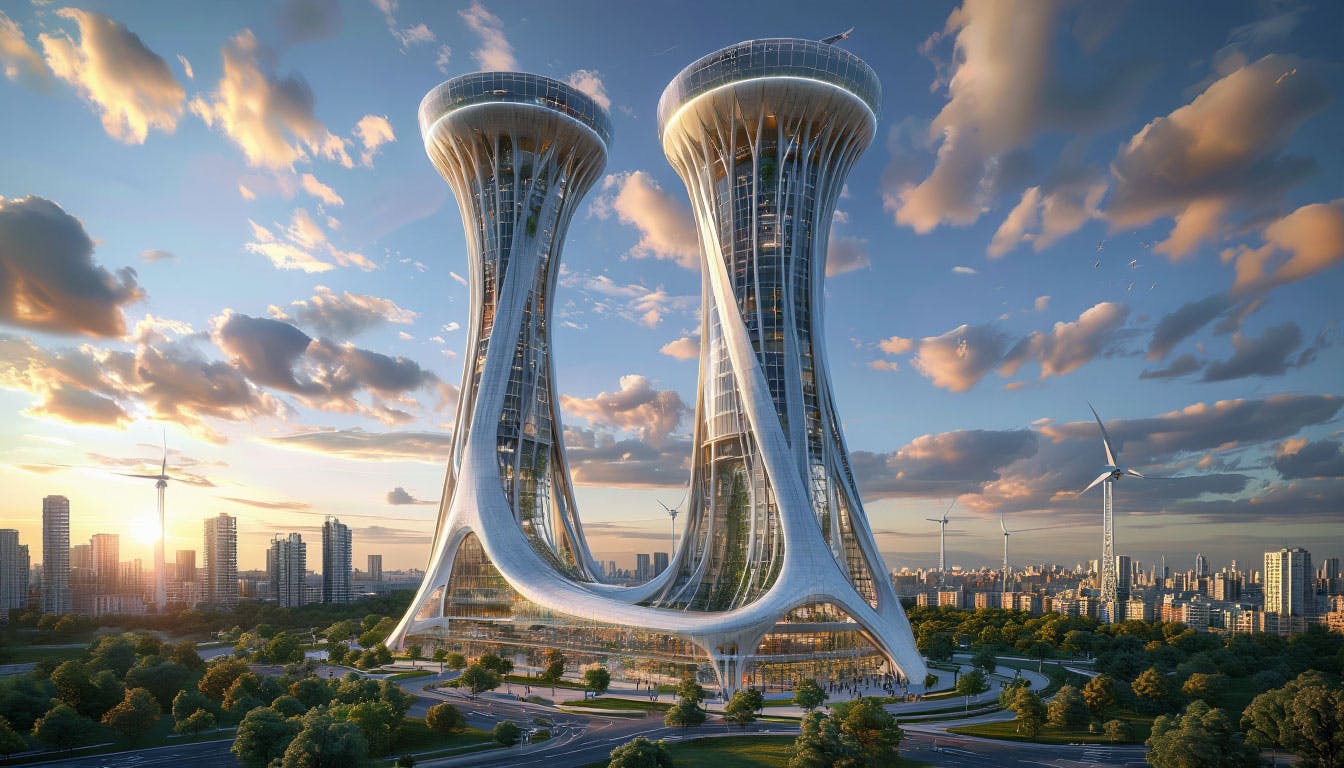
Modern architecture is increasingly integrating energy technologies not as a “necessary evil” but as a key design element. This allows creating buildings that not only consume but also generate energy, becoming part of the city’s ecosystem. Here are the main approaches and examples:
1. Solar Energy as an Architectural Element
Facade Panels:
Transparent photovoltaic glass (e.g., Solar Squared) replaces traditional windows, generating up to 150 W/m².
Dynamic “scales” panels (project BIQ House, Hamburg) that rotate towards the sun, increasing efficiency by 35%.
Transformer Roof:
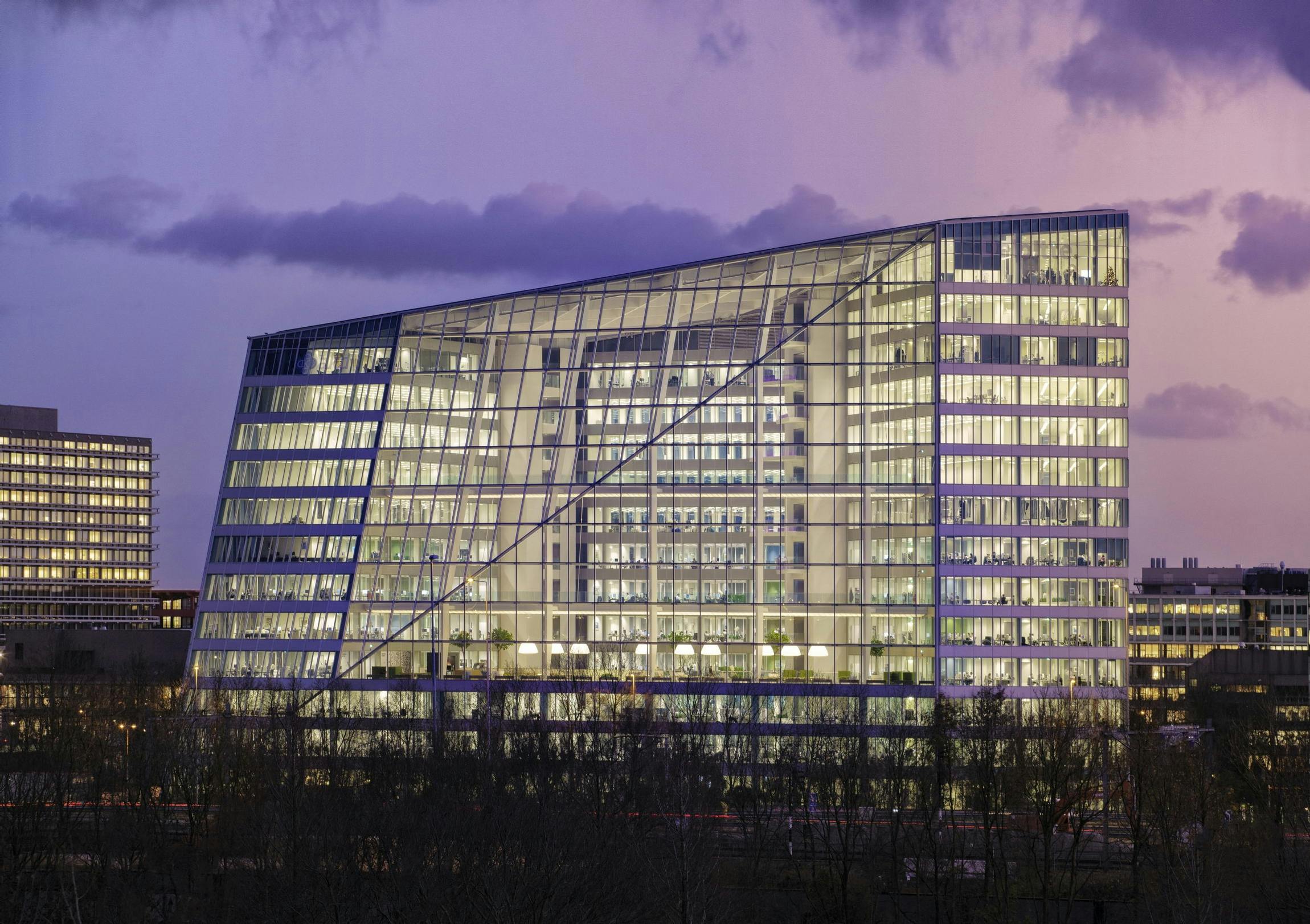
Foldable solar panels in the project The Edge, Amsterdam provide 102% of the building’s energy consumption.
2. Wind Generation in Urban Environment
Architectural Turbines:
Vertical wind generators integrated into skyscraper spires (e.g., Strata Tower, London) provide 8% of the building’s energy.
Aerodynamic building shapes enhancing wind flow (project Bahrain World Trade Center with three 29-meter turbines).
Kinetic Facades:
Panels with microturbines (Windrail) converting wind from passing traffic into electricity.
3. Geothermal Systems and Biomimicry
Thermal Columns:
Sculptural elements made of thermoconductive concrete accumulating ground heat (project Bosco Verticale, Milan).
“Living” Walls:
Facades with hydroponic systems where water circulation is combined with heat pumps (Marco Polo Tower, Hamburg).
4. Hydropower in Urban Planning
Water Facades:
Vertical channels with microturbines using rainwater (concept Hydrogenase, Belgium).
Tidal Dams:
Artificial reefs made of porous concrete generating energy from waves (project Tidal Lagoon, UK).
5. Energy-Active Materials
Piezoelectric Coatings:
Pavements made of ceramic generating current from pedestrian steps (Solar Walk, Las Vegas).
Thermoelectric Panels:
Cladding made of materials converting temperature differences between the facade and air into energy (technology Alphabet Energy).
6. “Smart” Grids and Energy Visualization
Art Installations with Data:
LED facades changing patterns depending on energy generation (project CopenHill, Copenhagen).
Interactive Displays:
Real-time showing of the building’s energy consumption level (e.g., The Crystal, London).
Examples of Synergy Projects
Project
Country
Technologies
Energy Efficiency
Powerhouse Brattørkaia
Norway
Solar facades + geothermal piles
+485,000 kWh/year (surplus sold to grid)
Shanghai Tower
China
270 wind generators + double glass facade
21% reduction in energy consumption
The Sustainable City
UAE
Biofacades + solar roads
100% energy independence
Aesthetic and Functional Principles
Biomimicry: Forms repeating natural structures (e.g., leaf-shaped solar panels).
Modularity: Energy units that can be combined like LEGO (project Ecoshape).
Adaptability: Facades changing transparency/porosity depending on weather (Bloomberg HQ, London).
Challenges and Solutions
Aesthetics vs. Efficiency: Solar panel designs under marble or wood (technology Tesla Solar Roof).
Wind Generator Noise: Turbines with magnetic levitation (noise ≤25 dB).
Cost: Use of recycled materials (e.g., facades made of carbon fiber from old airplanes).
Conclusion
Modern architecture transforms energy systems into art. Such buildings are not just “machines for living” but living organisms interacting with the elements. By 2030, 40% of new buildings in the EU and the US will be designed as energy-independent, blurring the line between infrastructure and art.
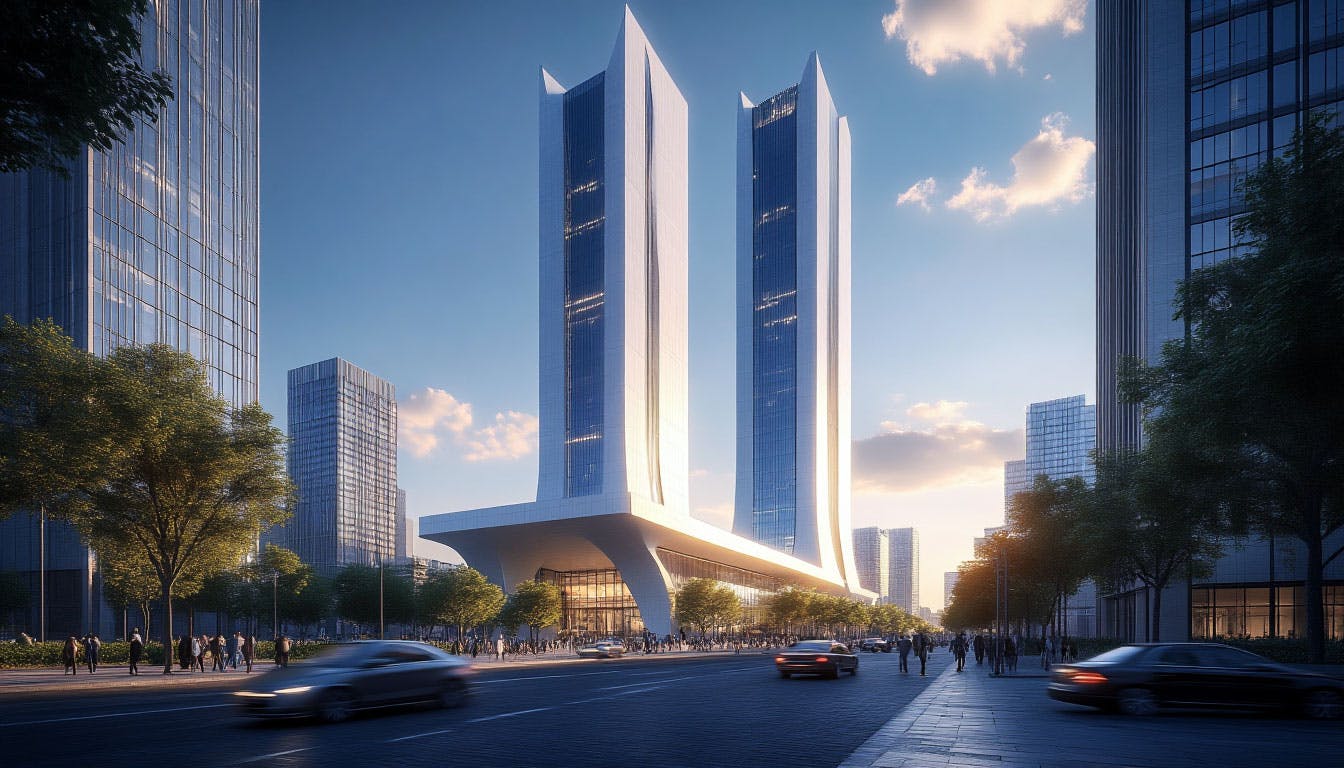
Evolution of Concepts: From Solar Chimney to Self-Generating Buildings

1. Solar Chimney in Manzanares (1982–1989)
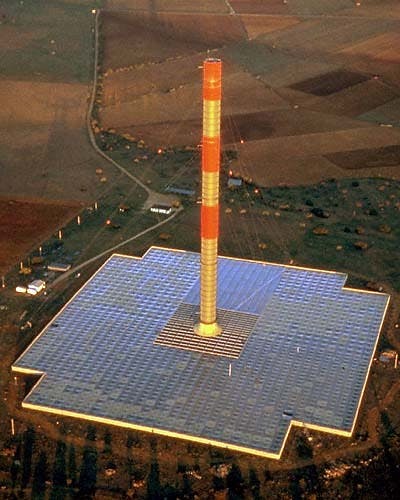
Design:
Solar Collector: A circular greenhouse with a diameter of 244 m (area 46,000 m²).
Tower: Height 195 m, diameter 10 m.
Turbine: One vertical turbine with a capacity of 50 kW.
Operating Principle:
Solar heating of air under the collector → temperature difference of 20–30°C.
Rising airflow (up to 15 m/s) rotates the turbine.
At night, stored ground heat provides 3–4 hours of operation.
Results:
Peak capacity: 110 kW.
Annual generation: 100–150 MWh.
Problems: Low efficiency (0.5–1%), high cost ($2.5 million), tower corrosion damage.
Lessons:
Need for materials with high heat resistance.
Importance of integration with storage systems.
2. Georgy Mamulashvili’s Vortex Aerothermal Power Plant (2010s)
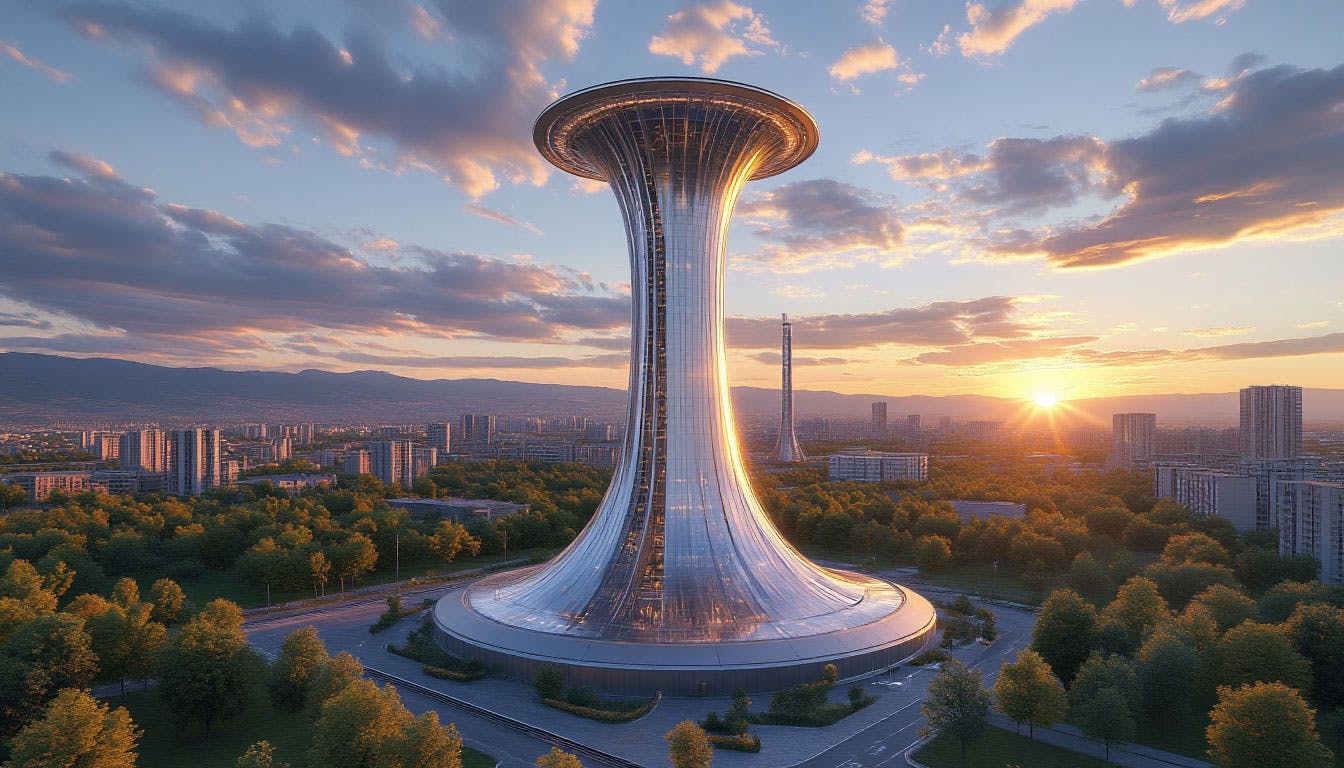
Design:
Rankine-Hilsch Vortex Tube: Creates a temperature gradient (up to 70°C) through centrifugal forces. https://www.academia.edu/23425395/Air_Thermal_Power_Efficiency_Rise_Trough_Rotational_Air_Flow_Trailing_Solar_Chimney
Turbine: Operates on pressure differences between “hot” and “cold” flows.
Advantages:
Compactness: A 1 MW installation occupies 100 m².
Operates at low wind speeds (from 2 m/s).
Efficiency: 12–15% (3 times higher than Solar Chimney).
Connection to Solar Chimney:
Use of natural thermodynamic cycles.
Focus on airflow management.
3. Urban Hybrid Architecture (2020s)
Integration Stages:
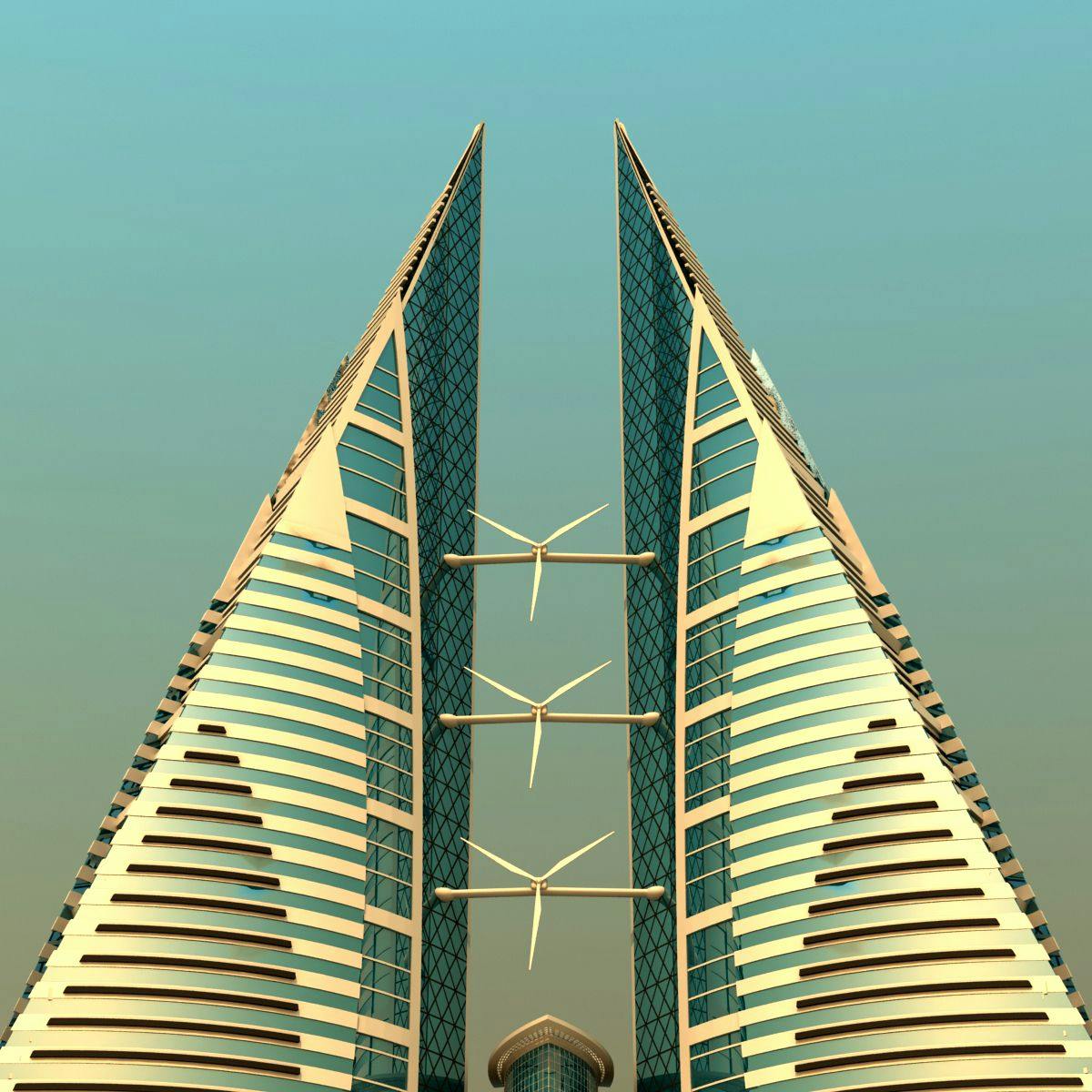
Solar-Wind Facades:
Example: Bahrain World Trade Center (3 horizontal turbines between towers).
Capacity: 1.1 GWh/year.
Thermosiphon Systems:
Principle: Combining solar collectors and vortex tubes for ventilation.
Project: The Edge, Amsterdam (70% energy savings on HVAC).
Energy-Active Materials:
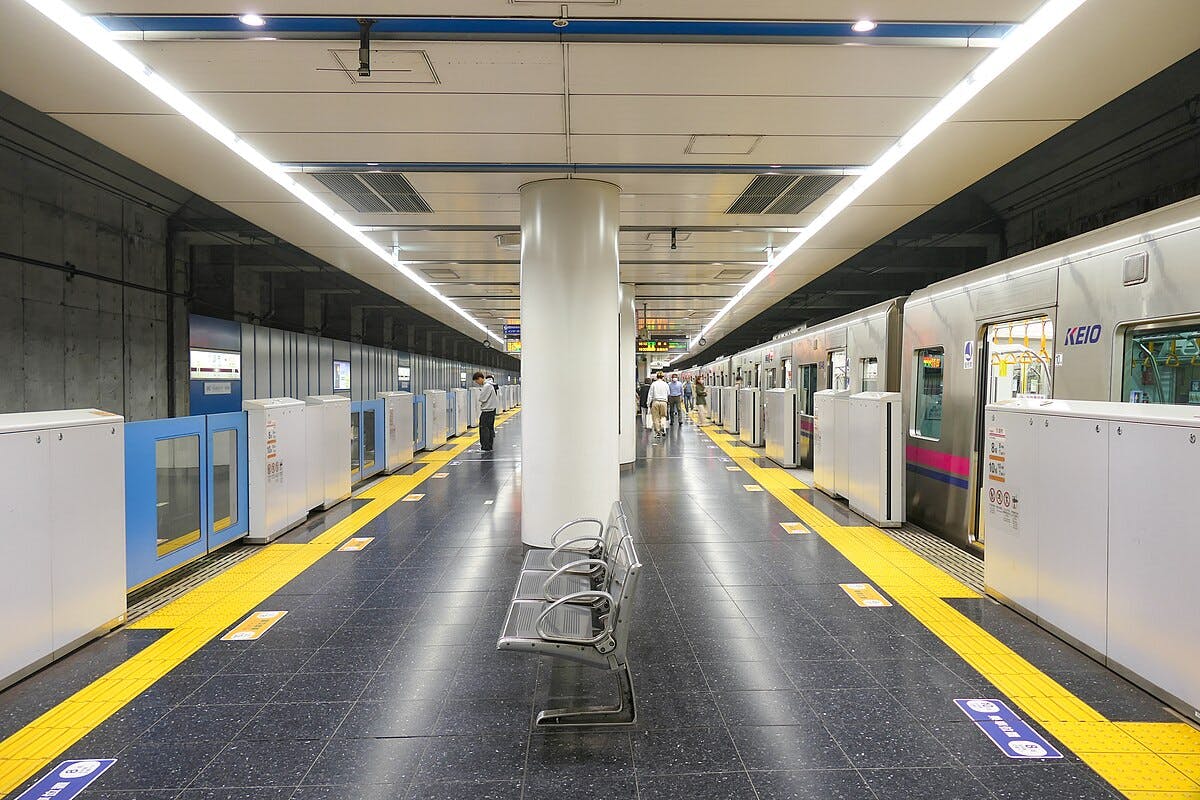
Piezoelectric walkway coatings (Tokyo Station: 1,400 kWh/year from pedestrians).
4. Self-Generating Buildings (2030s)
Concept:
Technology Synergy:
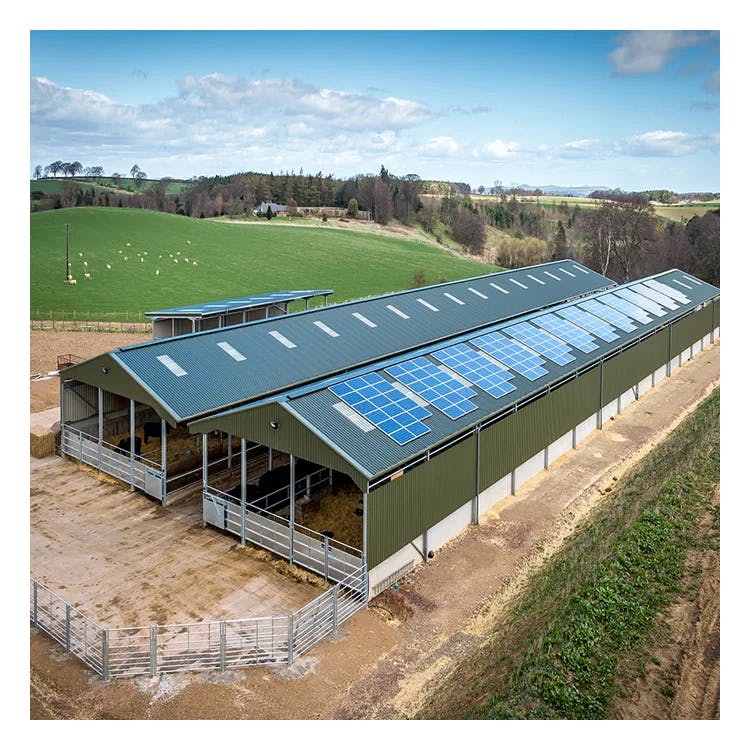
Solar Panels + Wind Generators: Hybrid facades (e.g., SolarMill).
Thermal Storage: Phase Change Materials (PCMs) in walls (capacity 300 Wh/m³).
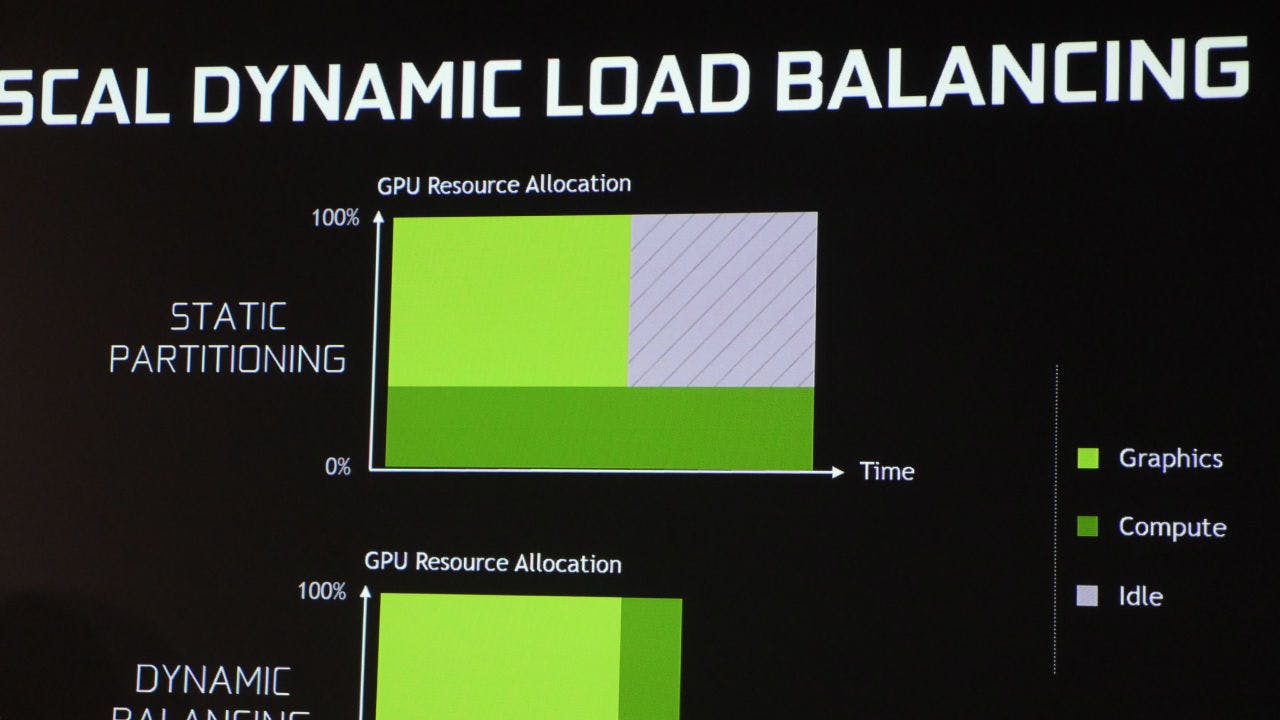
AI Optimization: Load balancing algorithms (NVIDIA Metropolis).
Examples:
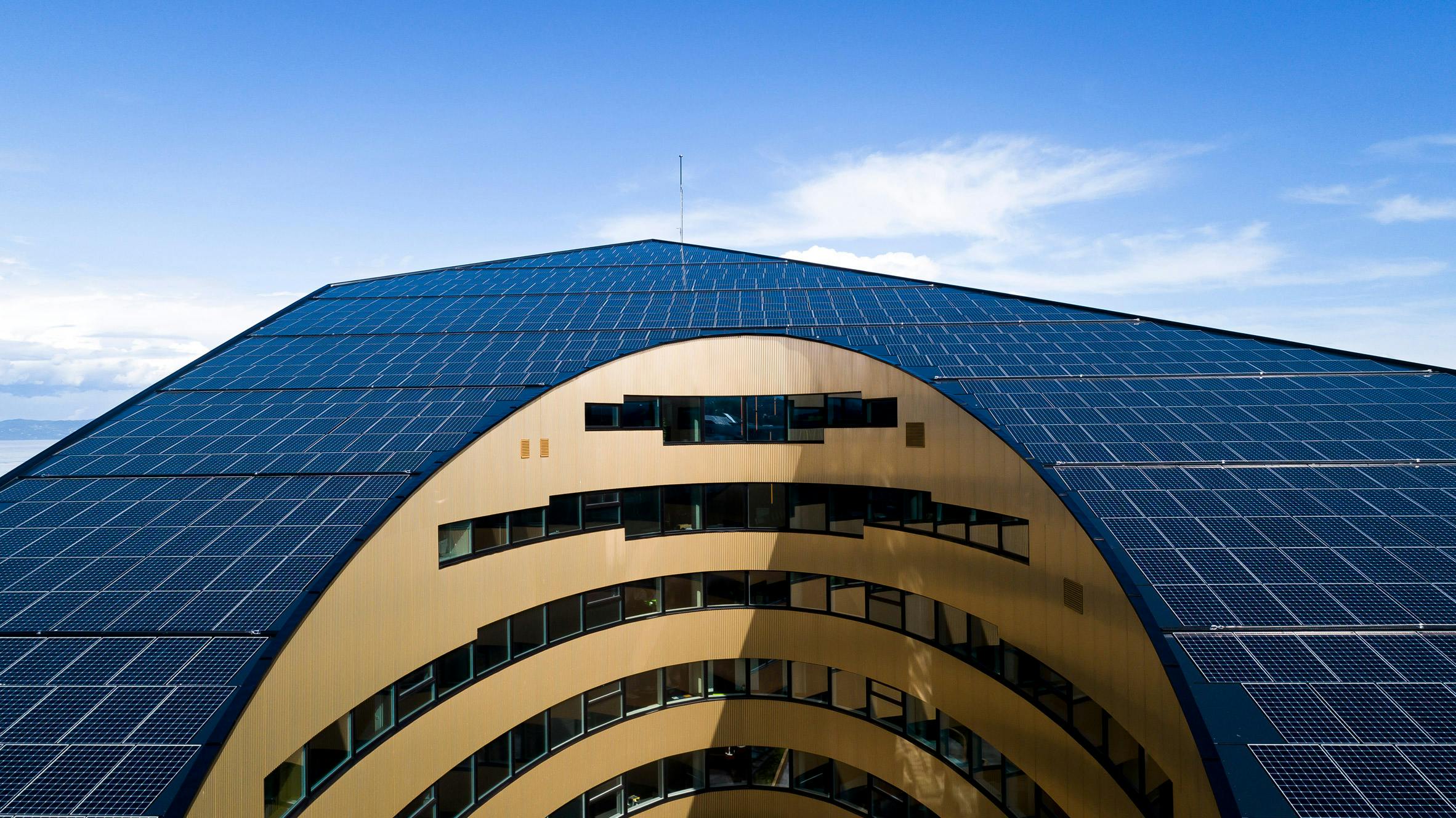
Powerhouse Brattørkaia (Norway):
Energy surplus: +485,000 kWh/year.
Technologies: 3,000 m² solar panels + geothermal wells.
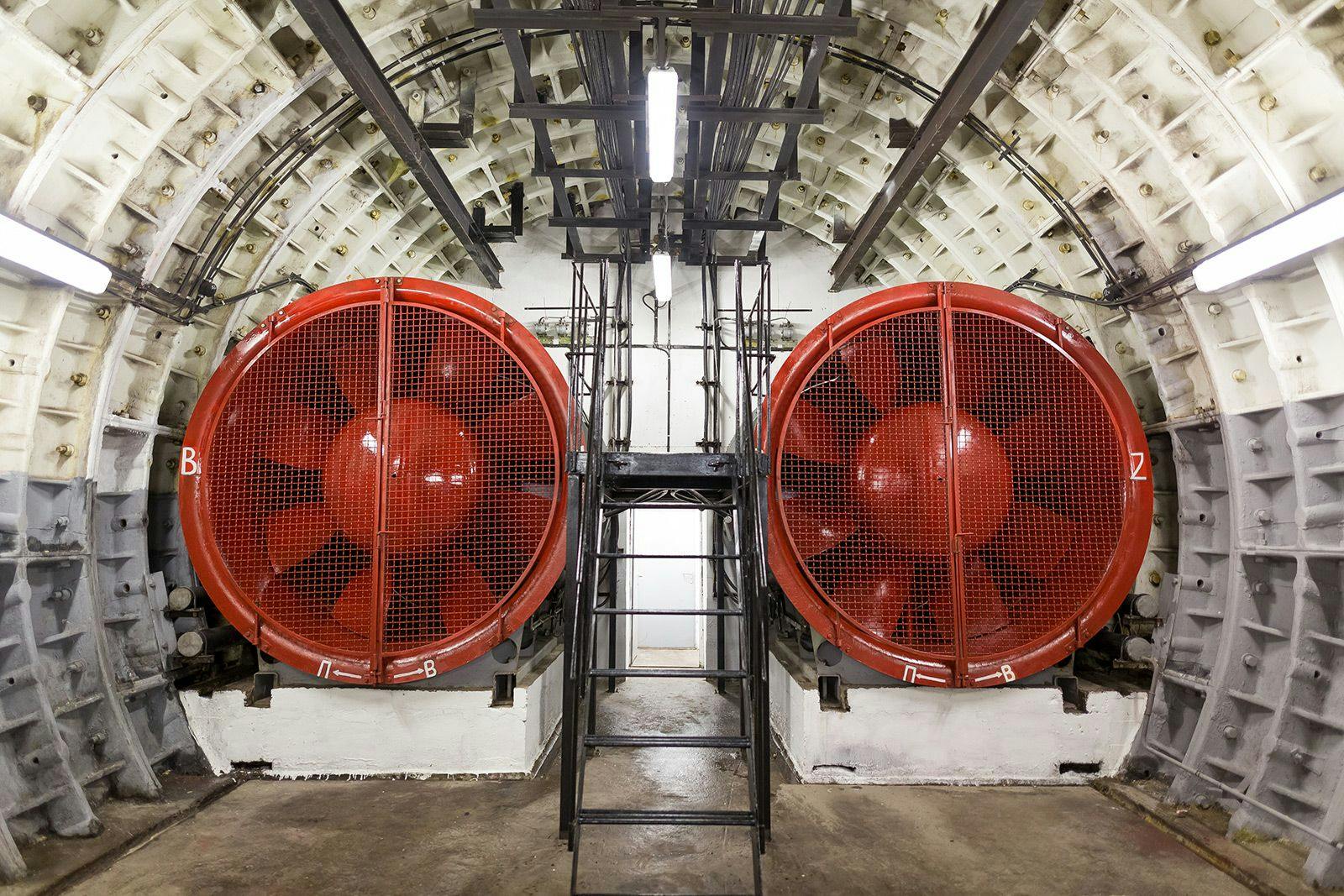
Zaryadye Station (Moscow):
Vortex turbines in aerodynamic niches (40 kW capacity).
5. Future: Biomimetic Megacities (2040+)
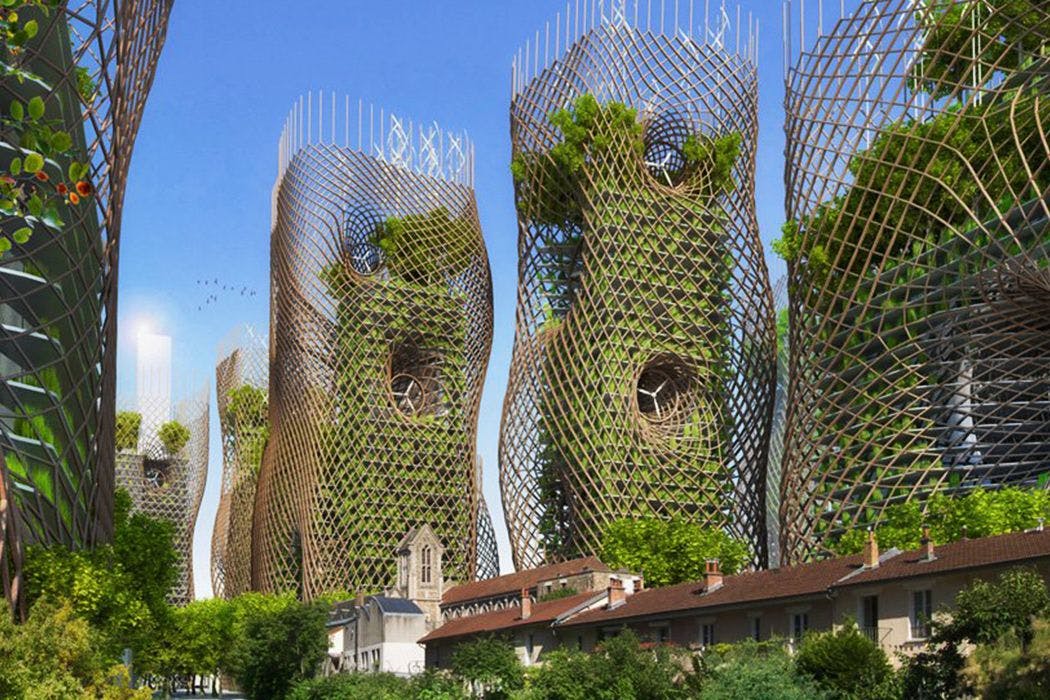
Concepts:
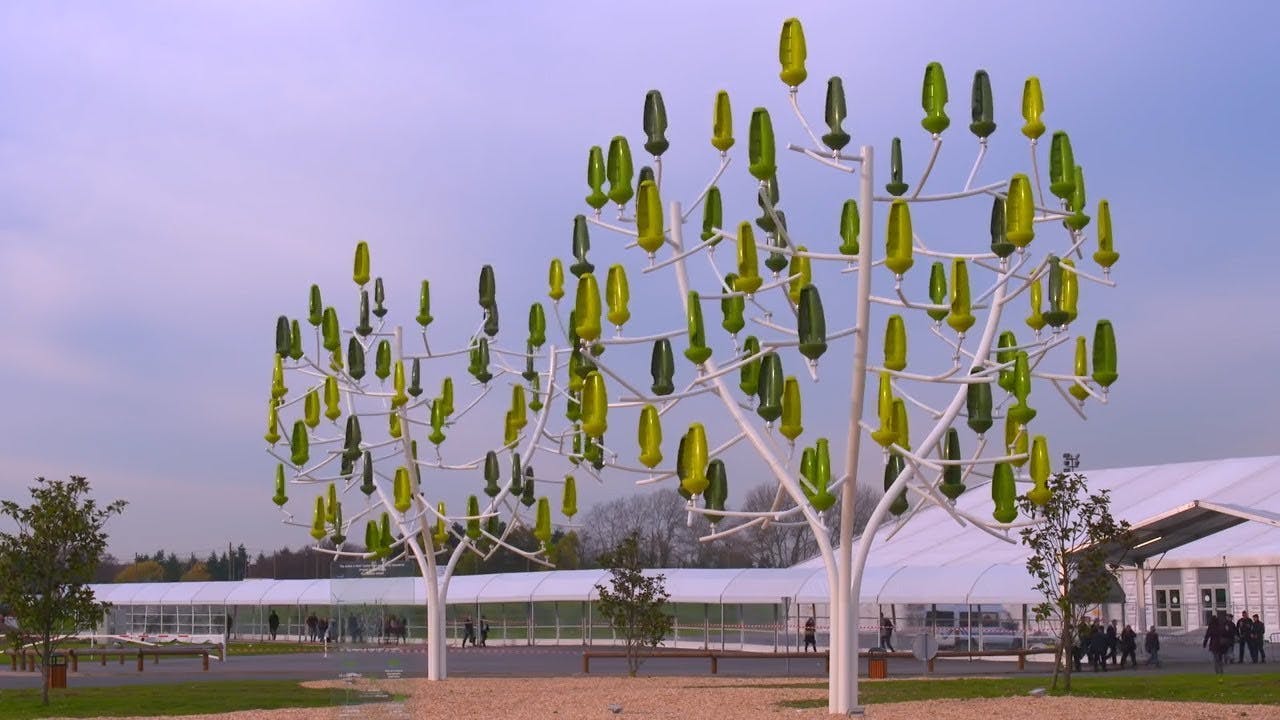
Tree-Turbines:
Structures mimicking sequoia trees with photosynthetic coatings (BioSolar Leaf).
Generation: 200 W/m² (solar) + 50 W/m² (wind).
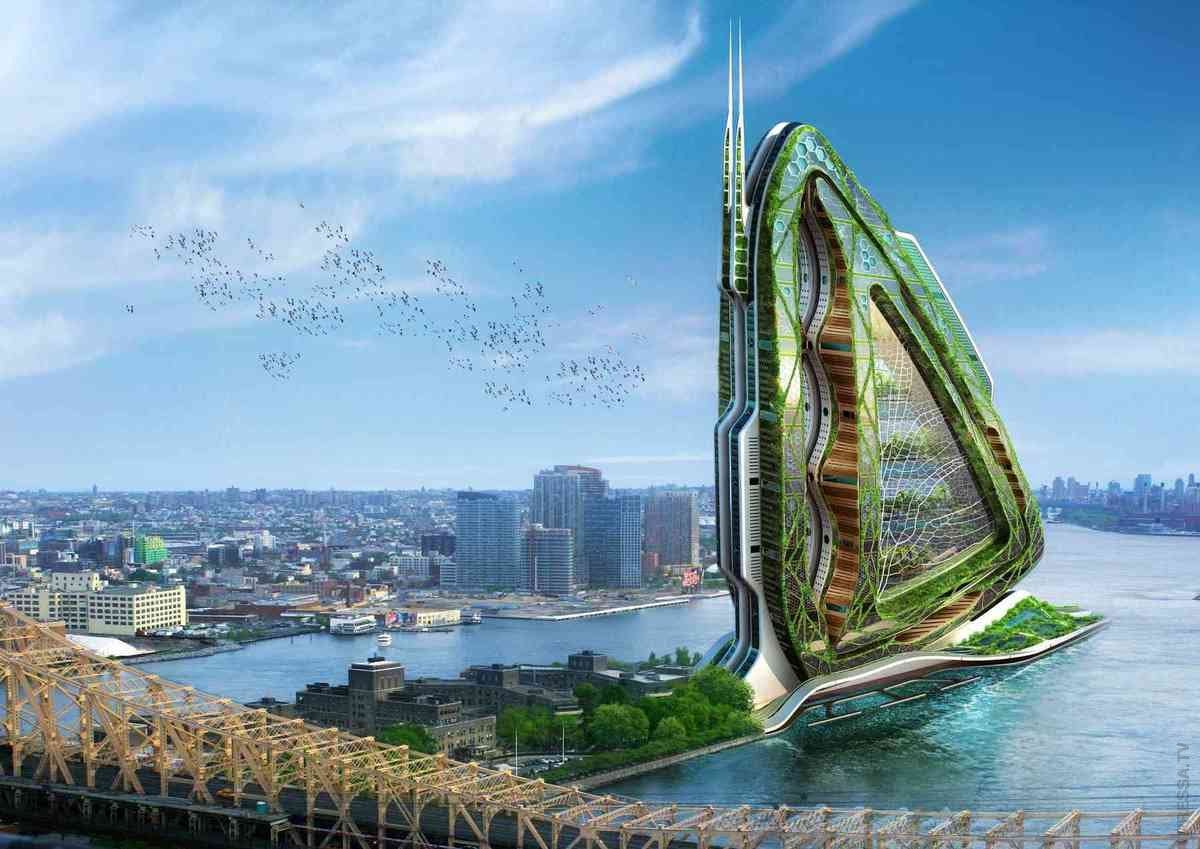
Urban “Lungs”:
Central vortex-generating towers creating microclimates (project The Line, NEOM).
Technological Barriers:
Cost: $500–700/m² for hybrid panels.
Regulatory Norms: Safety certification for vortex installations in residential areas.
Conclusion: Development Cycle
Solar Chimney → proved thermodynamic conversion feasibility.
Vortex Systems → increased efficiency through turbulence management.
Urban Integration → miniaturization and urban adaptation.
Self-Generating Buildings → synthesis of technologies into a unified energy framework.
By 2040, such buildings could cover 80–90% of their needs, transforming cities into “living power plants”.