


The water crisis in Iran, as described in The New York Times article, is a consequence of long-standing problems, including extreme drought, inefficient water use, infrastructure deterioration, and population growth. The implementation of HYPOT (Hydro Power Tower) technology could be one of the solutions to energy problems, but its role in directly overcoming the water crisis requires clarification.
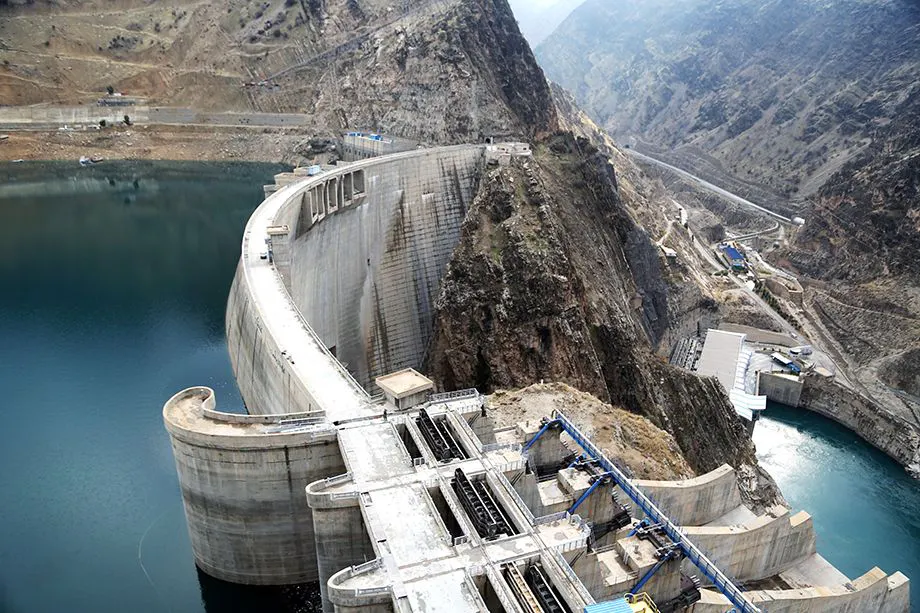
Iran’s officials have begun rationing water in the capital, Tehran, amid a drought so severe that the president has warned the capital may need to be evacuated.
The country is facing the worst drought, and in six decades the level of large dams will be at critically low levels. This week, the water authorities announced that the main dams are being powered.Tehran, on which more than 10 million people depend, was only 5 percent loaded.
Nationwide, 19 major dams — about 10 per cent of the country's reservoirs — have effectively run dry, Abbasali Keykhaei of the Iranian Water Resources Management Company said in late October, according to Mehr news agency. As of 2010, 588 dams (large and small) were built in Iran, another 137 are under construction, and 546 are planned.
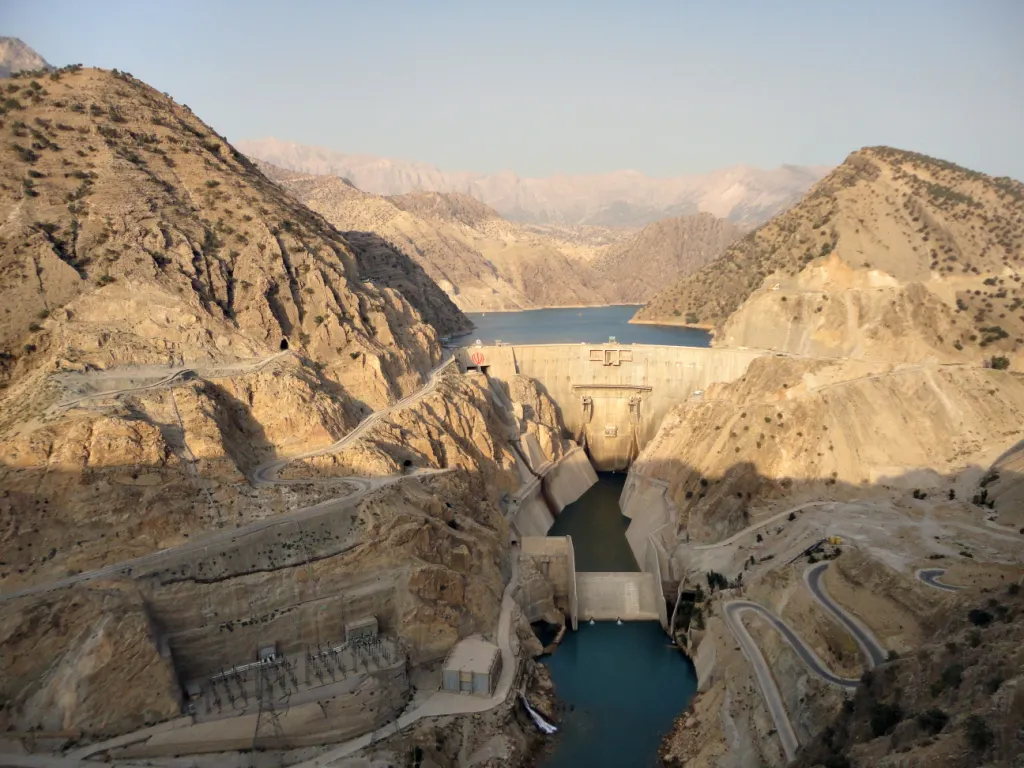
Authorities over the summer announced public holidays in Tehran to cut back on water and energy consumption as the capital faced almost daily power outages during a heatwave.
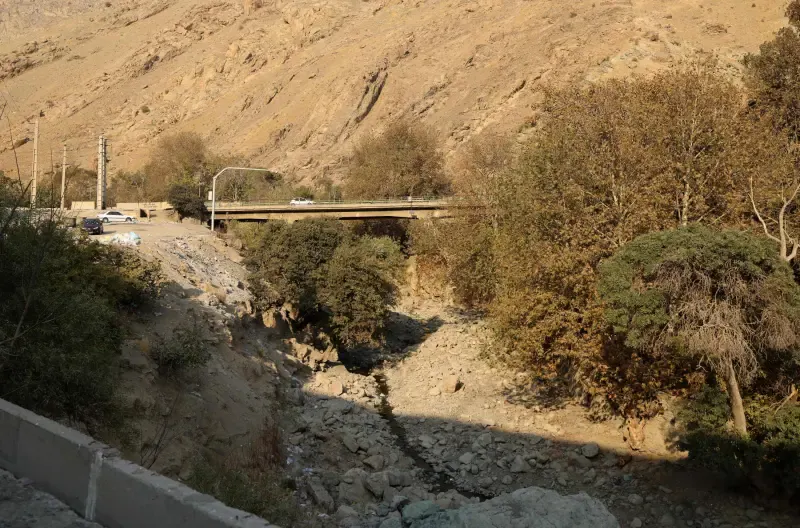
Lake Urmia, the largest saline body of water in Asia, which was over 4,000 years old, has completely dried up in Iran, Bild reports. The lake was located in the north-west of the country and was ten times the size of Lake Constance. In the 1980s, its dimensions were about 140 kilometers long and 55 kilometers wide, but by the summer of 2025, satellite images show only a dried-up bottom and small puddles.
Environmentalists and the Iranian opposition media call the disappearance of Urmia an ecological disaster caused by the actions of the authorities. According to Iran News Update, there are more than a million illegal wells in the country that have been depleting groundwater for decades.
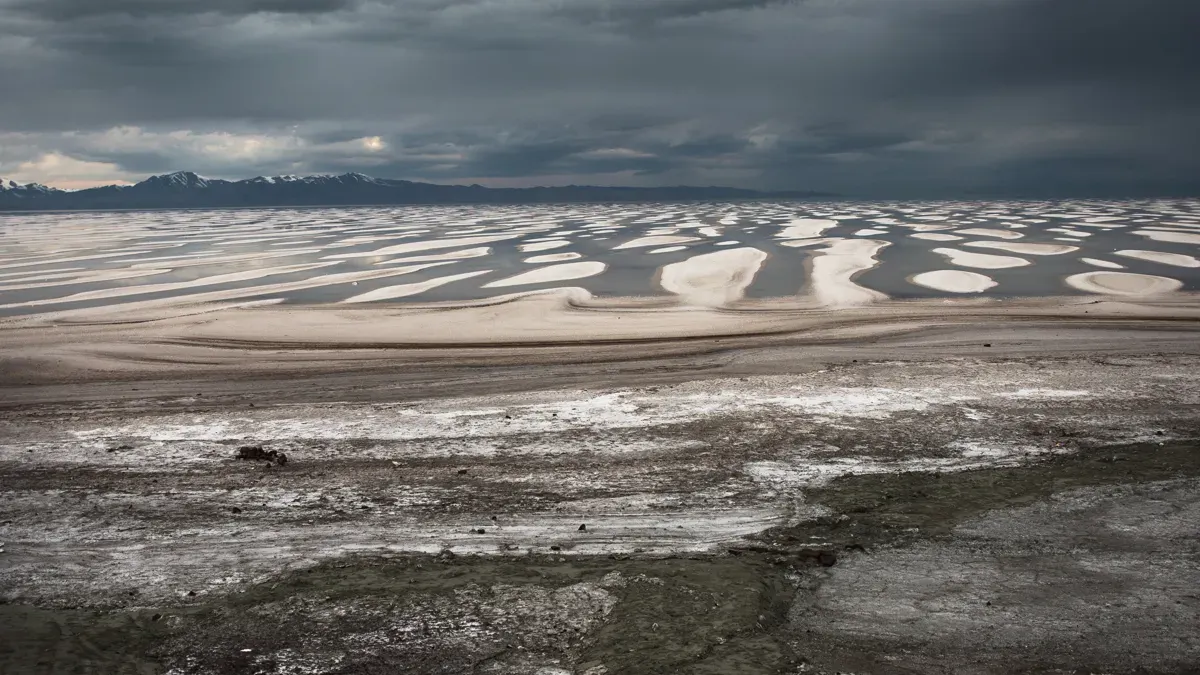
Experts warn that strong winds can spread salt particles throughout the region, salting agricultural land and poisoning the air. Cities such as Urmia, Tabriz and Khoy, where more than 14 million people live, are at risk of salt storms, toxic air and agricultural collapse.
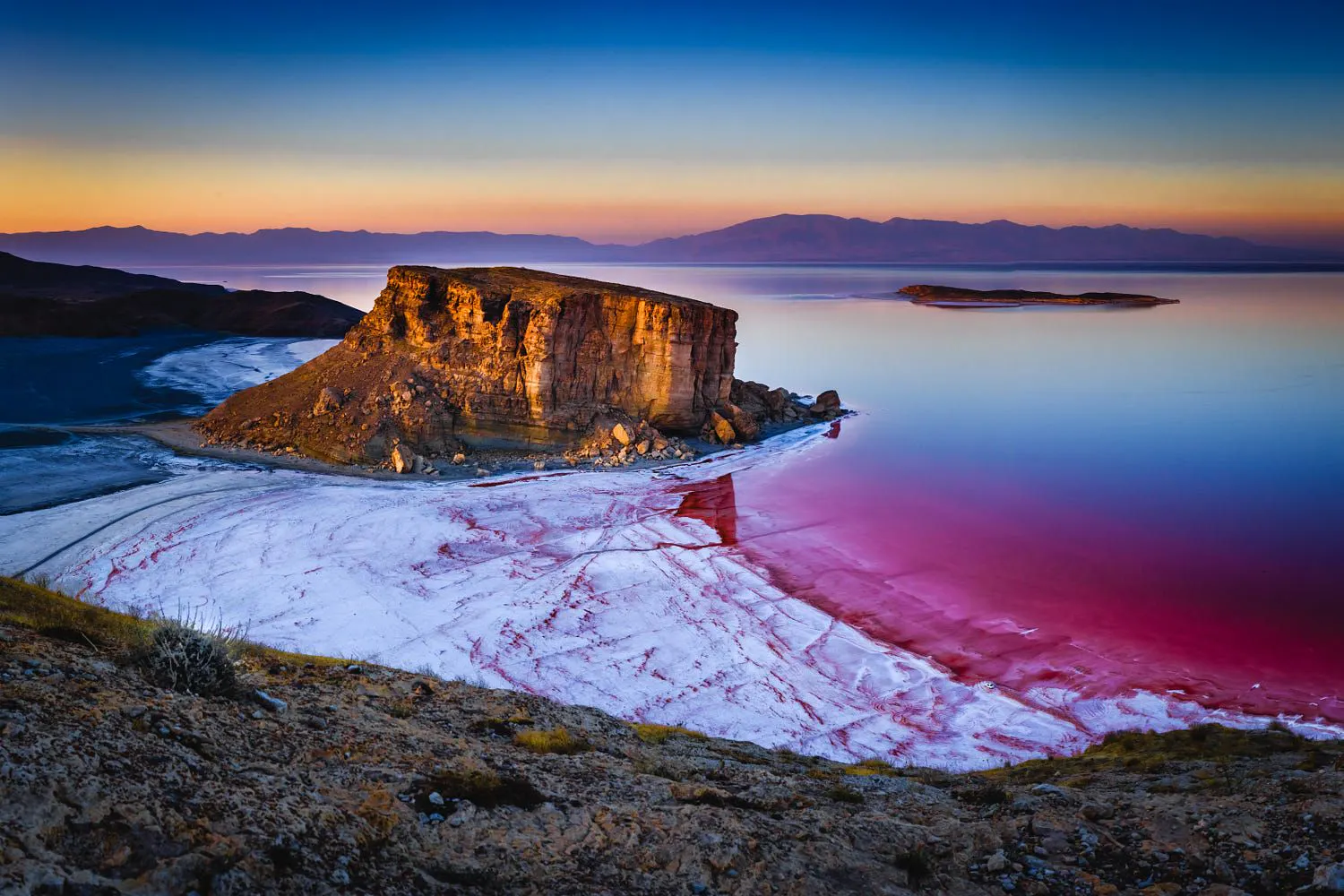
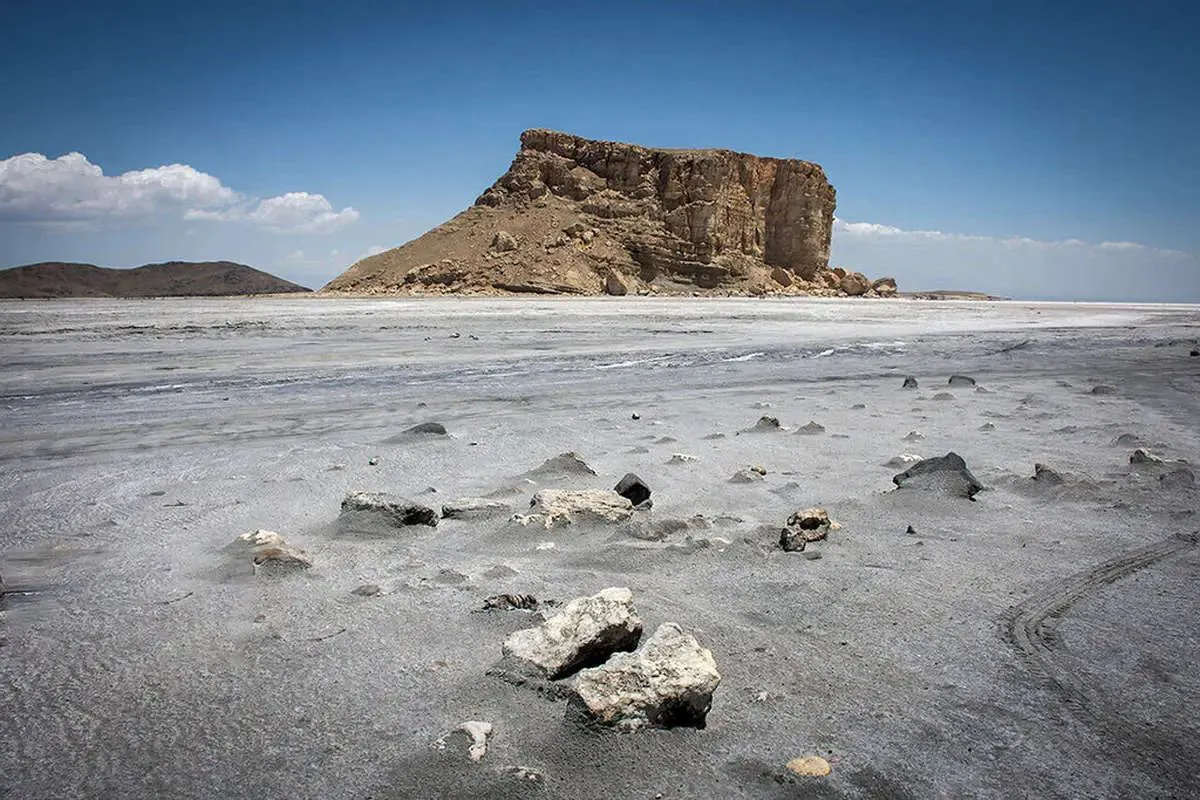
As noted byThe Guardian, the drying up of Urmia is part of a broader water crisis in the country: over the past 50 years, Iran has lost about 70% of its lakes, reservoirs and wetlands. According to the United Nations, climate change in the region will only increase pressure on already limited water resources.
Analysis of the Situation in Iran
Main causes of the water crisis:
Climatic factors: record low precipitation and extreme heat.
Anthropogenic factors: inefficient water use, massive dam construction, excessive groundwater extraction, agricultural inefficiency.
Infrastructure deterioration: century-old water supply system with constant leaks, damage after June hostilities.
Social consequences: water rationing, risk of evacuation of Tehran, water shortages in other major cities (Mashhad, Karaj).
HYPOT Technology: Opportunities and Limitations
HYPOT is a power generation technology that utilizes kinetic and potential energy of water flows without dam construction. Its advantages include:
Environmental friendliness: minimal impact on the ecosystem, no need to create reservoirs.
Renewability: utilization of underwater currents and hydrodynamic effects.
Flexibility: ability to operate in various marine and river conditions.
However, HYPOT does not directly solve the problem of drinking water shortage. The technology focuses on electricity generation rather than increasing water resources or improving water supply systems.

Connection to the Water Crisis
The implementation of HYPOT could indirectly affect the situation:
Reduced dependence on fossil fuels: freeing up funds and resources for water-related solutions.
Potential use in combined systems: for example, powering desalination plants or water purification systems.
Infrastructure development: creation of new technological solutions could stimulate investment in other sectors, including water supply.
However, immediate implementation of HYPOT to overcome the water crisis is impractical for the following reasons:
Immature technology: need for additional research, testing, and regulatory framework development.
High cost and complexity: significant capital investment at the initial stage.
Limited applicability: technology focused on electricity generation rather than solving drinking water problems.
Recommendations
To overcome the water crisis in Iran, comprehensive measures are needed:
Agricultural reform: transition from flood irrigation to more efficient technologies.
Infrastructure renewal: repair of water supply systems, reduction of leaks.
Water resource management: implementation of monitoring systems, rational water distribution.
Cooperation with neighboring countries: negotiations on water imports.
USA, California
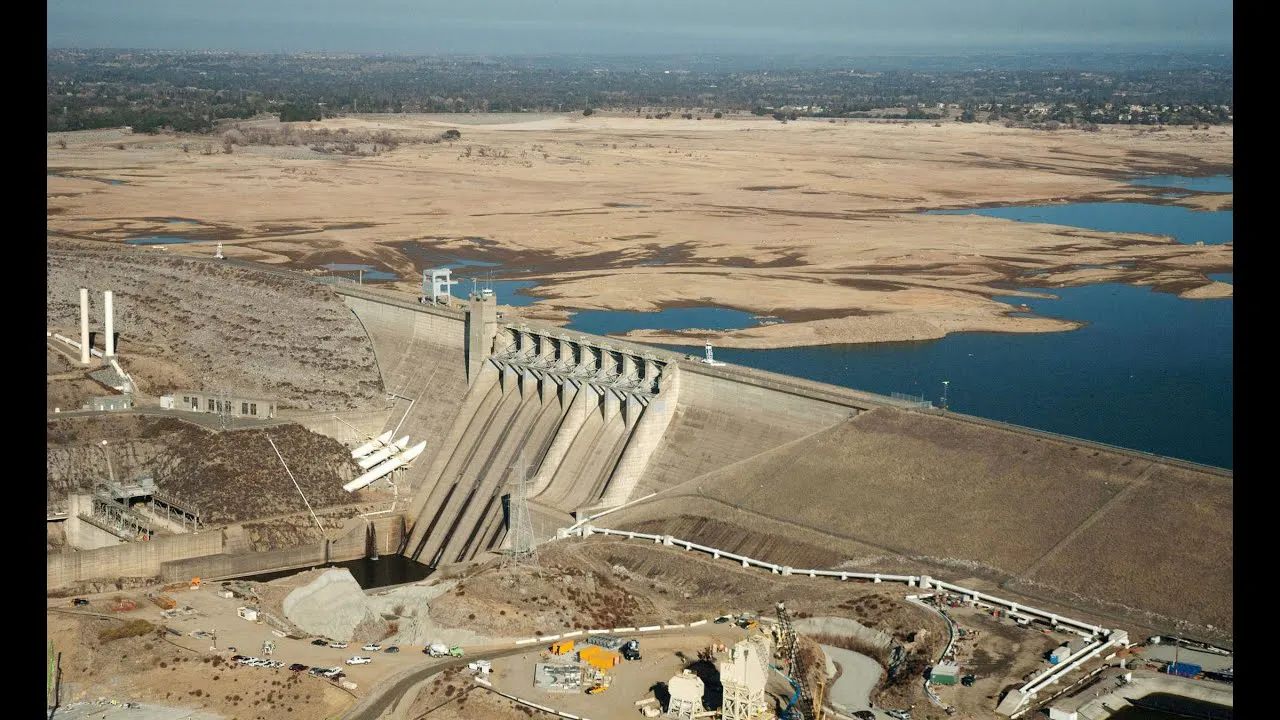
HYPOT technology could become part of Iran’s long-term energy development strategy, but its role in solving the current water crisis is minimal.
United Kingdom, Wales
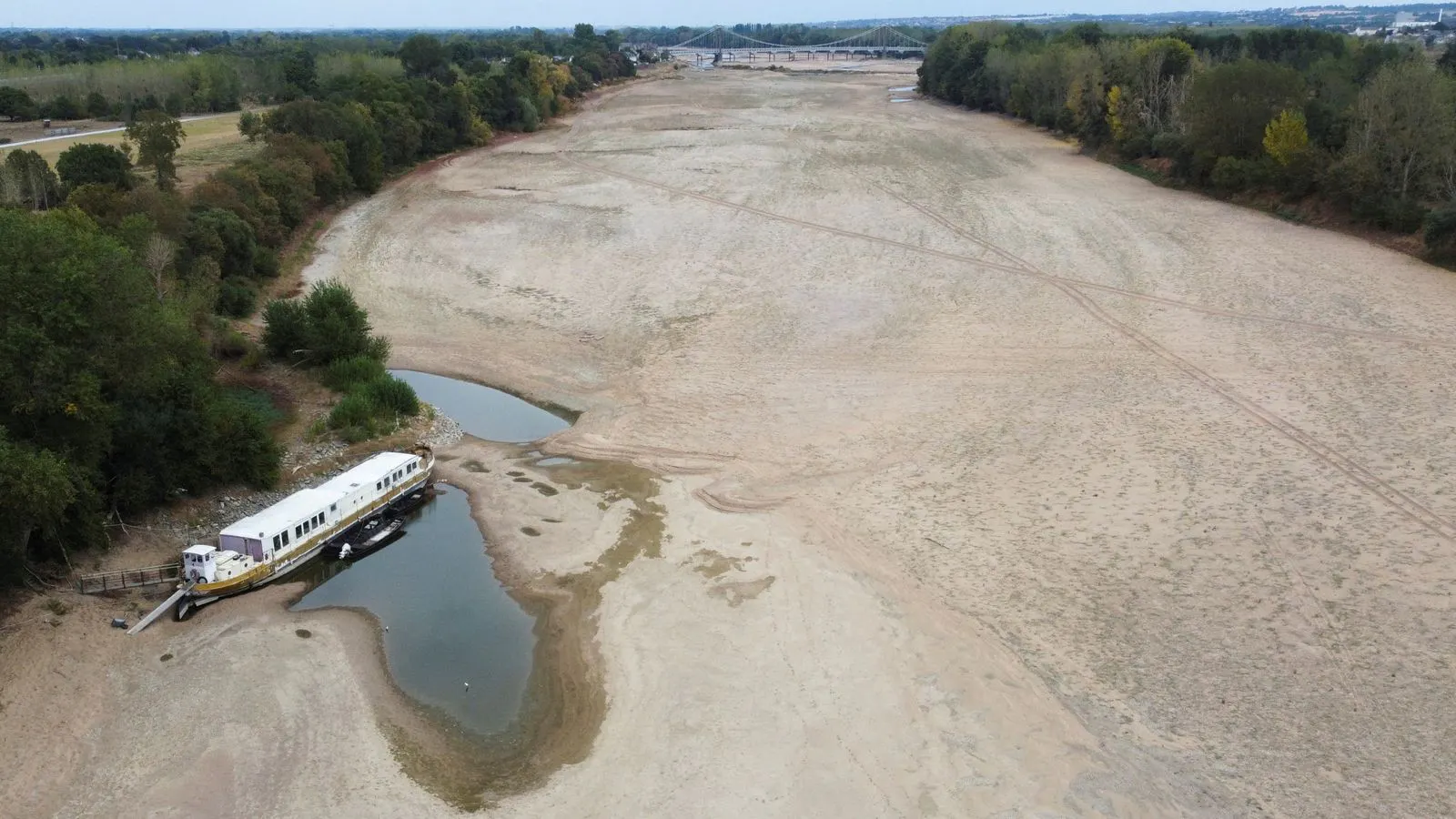
Conclusion: immediate implementation of HYPOT is not a solution to the water crisis in Iran. Measures directly aimed at water resource management and infrastructure modernization should be prioritized. HYPOT technology could be considered as part of a long-term energy strategy but requires additional research and pilot projects.