


As electronic devices and EV systems continue to push the boundaries of power density and miniaturization, managing heat has become one of the most pressing engineering challenges.
In high-power applications like silicon carbide (SiC) and gallium nitride (GaN) devices, or in EV battery modules, thermal inefficiencies can directly translate to reduced performance, shorter component lifetimes, and even safety risks.
For example, in EVs, every 10 °C rise in battery temperature can reduce cycle life by nearly 20 %. Similarly, in advanced chips, localized heat spikes can create thermal stress that leads to delamination or interconnect fatigue. These realities make materials-based thermal management essential to sustaining reliability and performance.
The Top Emerging Materials for Thermal Management
We’re witnessing a revolution in materials designed for heat dissipation and control. Several classes of materials are redefining what’s possible:
Graphene-enhanced composites and boron nitride fillers are pushing the boundaries of thermal conductivity while maintaining electrical insulation, making them ideal for packaging and flexible electronics.
Metal-matrix and ceramic composites, such as copper-diamond or aluminum silicon carbide (AlSiC), offer superior thermal conductivity combined with mechanical robustness.
Phase-change materials (PCMs) are being increasingly adopted in battery modules and high-power electronics to absorb transient heat spikes through latent heat mechanisms.
Nano-engineered interfaces, including carbon nanotube (CNT) and vertically aligned graphene films, significantly reduce thermal resistance at junctions - a long-standing bottleneck in power device packaging.
Each of these innovations aims to balance three critical properties: high thermal conductivity, low interfacial resistance, and long-term stability under thermal cycling.
Evaluating the Performance of Advanced Materials
The performance of thermal management materials is determined by more than just their conductivity values. Researchers typically employ a combination of advanced techniques, including laser flash analysis, infrared thermography, and thermo-mechanical analysis (TMA), to simulate real-world operating conditions and thermal stresses.
In addition, factors such as interfacial adhesion, fatigue resistance, and coefficient of thermal expansion (CTE) compatibility are closely evaluated. Mismatches in thermal expansion between materials often lead to cracks, delamination, and eventual failure. A robust testing approach ensures that materials can maintain consistent performance across thousands of thermal cycles, even under high power loads and fluctuating environmental conditions.
How these Smart Materials are Influencing EV Design and Performance
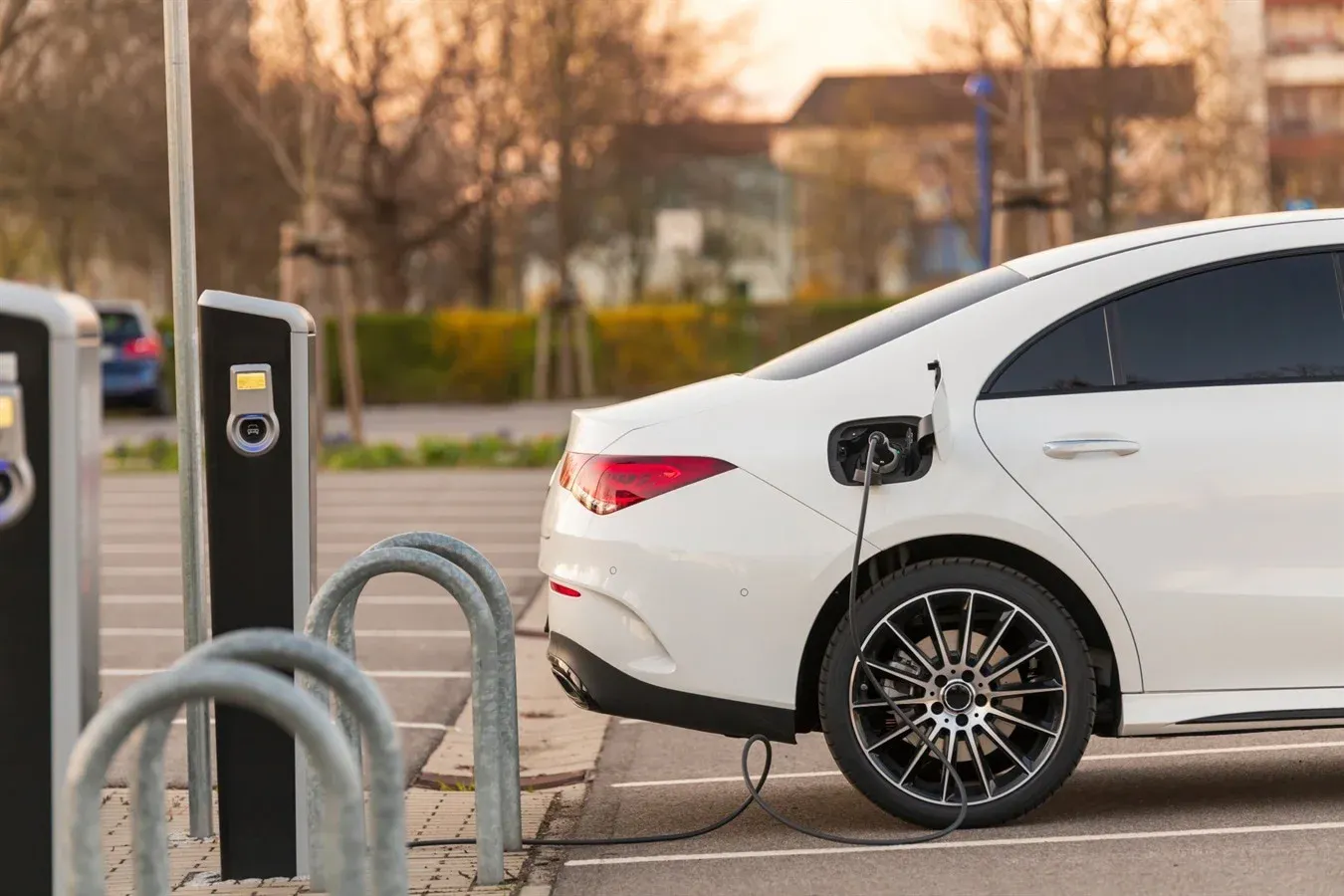
Thermal materials have become an enabler for EV innovation. In battery systems, advanced composites and PCMs are now integrated into cooling plates and enclosures to ensure uniform temperature distribution and enhance safety.
In powertrain electronics, nano-engineered thermal interface materials (TIMs) enable designers to place power devices closer together, thereby reducing overall system size and enhancing energy efficiency. This translates into faster charging, extended range, and improved reliability - all while minimizing weight and packaging constraints.
The Trends Shaping the Future of Thermal Management?
The next frontier lies in intelligent thermal systems - materials and components that actively respond to thermal stress.
These could include adaptive polymers that change conductivity based on temperature, or embedded micro-sensors that provide real-time thermal feedback for predictive cooling control.
We’re also seeing growing interest in AI-assisted material design, where machine learning accelerates the discovery of new formulations by predicting performance outcomes from structural data.
Together, these trends are bringing us closer to “smart” thermal systems capable of self-regulation in high-stress environments.
The Next Decade of Thermal Management Materials
Thermal management will be one of the defining factors in the evolution of both electronics and mobility technologies. As the world transitions toward electrification, materials capable of efficiently handling heat will underpin innovation across industries - from data centers to aerospace.
We are moving toward a materials era defined not just by conductivity numbers but by integration, intelligence, and sustainability. The goal is to create thermal ecosystems - where materials, sensors, and design work in harmony to enable higher power, longer lifetimes, and a smaller environmental footprint.