


SPONSORED CONTENT
How do you use artificial intelligence as an energy professional?
While many professionals utilize ChatGPT or Gemini for everyday tasks, such as decoding lengthy meeting minutes or staying on top of their inboxes, the true transformative power for the industry lies in applying these tools at scale across utility operations.
To that end, this article highlights how three large U.S. investor-owned utilities are driving measurable business impact through AI—strengthening customer engagement, accelerating system integration, and improving grid reliability.
Modernizing the call center customer experience
Supporting the vision to advance one utility’s “all-virtual” vision for its call center, the leadership wanted to leverage their vast amount of call center data to improve operational performance, reduce call volume and proactively address billing issues and outages.
CGI worked with the client to implement a cloud-native pipeline to:
Automatically transcribe call recordings.
Remove all customer personally identifiable information (PII).
Store clean text in an Azure Databricks lakehouse.
Apply sentiment analysis and coaching analytics—all while encouraging policies that keep audio costs low and protect privacy.
This approach enabled AI-driven performance insights and predictive modeling while safeguarding customer data, lowering on-prem storage costs, and accelerating the shift to a modern, virtually staffed contact center.
Accelerating integration with AI-enabled middleware
To address complexity and support real-time application development for its Customer Information System and legacy platforms, business and technology leaders from this utility partnered with CGI to build a custom middleware integration tool leveraging next-generation technologies, including a Retrieval-Augmented Generation-based architecture, Azure, and OpenAI.
According to Clay Grisetti, Director of Consulting at CGI, the system functions “as an AI-powered requirements and search tool that identifies the correct APIs and payload details based on a developer’s request in natural language.
Outcomes delivered include:
Reduced knowledge barriers between teams.
Accelerated integration and development cycles.
Improved consistency enabled by a centralized data repository.
Unlocking smart meter intelligence value
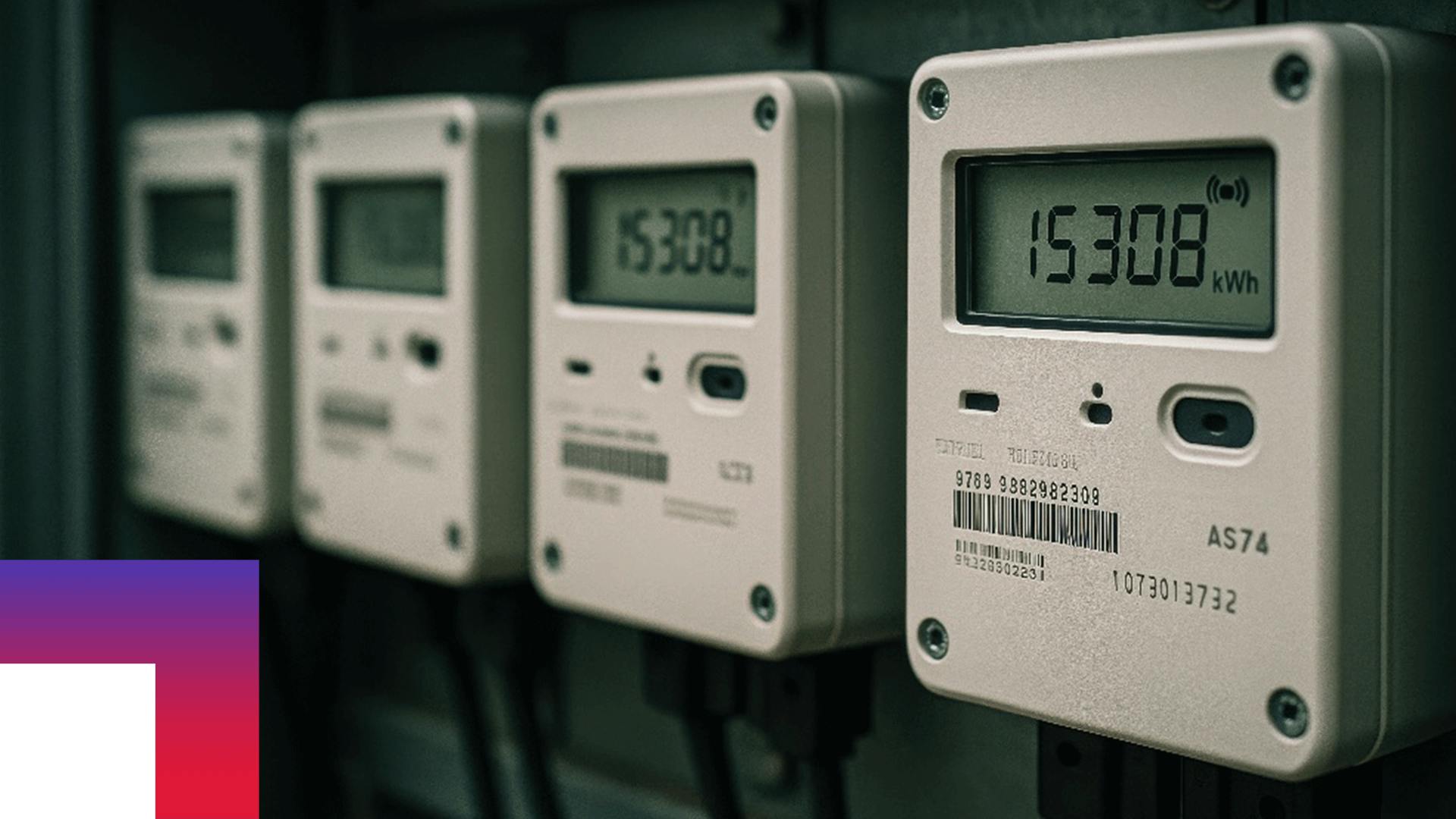
Utilities nationwide are making substantial investments in intelligent infrastructure, especially in building out their AMI (Advanced Metering Infrastructure).
But once deployed, how do utilities maximize that investment?
A large utility partnered with CGI to develop the AMI Intelligence Hub, a platform that consolidates and enriches data from AMI and complementary sources to detect abnormal consumption patterns, predict equipment failures and identify outages.
Using anomaly detection algorithms and time-series forecasting, the Hub provides:
Dashboards with key operational metrics such as SAIDI, CAIDI, meter uptime, and current.
Early indicators of grid health and equipment degradation.
Actionable insights for operations, distribution planning, and asset management teams.
These capabilities enable predictive maintenance, enhance outage management, and help utilities extract long-term value from AMI investments.
From individual use cases to enterprise-scale AI transformation
AI is no longer a curiosity or productivity booster—it's a strategic enabler for modern utilities. From enhancing customer interactions to streamlining application development and fortifying grid resilience, the potential benefits are substantial.
However, deploying AI responsibly and effectively requires careful planning, technical expertise, and a deep understanding of utility operations.
To explore how your organization can scale AI solutions and deliver measurable business value, connect with CGI for additional insights.
This article is the second in a four-part series exploring how utilities are embracing AI as a critical component of the future energy transition. Review our first blog here.
Stay tuned for upcoming installments.