


The current price action in natural gas futures is being defined by a rising tension between bearish inventory data and emerging bullish demand signals. While U.S. production remains stable and storage levels maintain a significant cushion — with the Midwest (+25 Bcf) and South Central (+27 Bcf) posting notable weekly injections, and European underground gas storage hovering near 86% capacity — the market is closely monitoring weather-driven demand elasticity. A pronounced seasonal cooling trend across northern and eastern Europe, coupled with a marked shift toward colder and more variable conditions sweeping across the northern and central U.S., suggests a tightening supply/demand balance. This tightening is further exacerbated by strong LNG export activity, as a slight strengthening in overall natural gas demand points to firm international interest and a continued drawdown on global reserves.
Storage Levels and Production, USA: Injection is Slowly Declining
According to the EIA, as of October 24, 2025, U.S. working natural gas in underground storage stood at 3,882 Bcf. This represents a net weekly injection of 74 Bcf compared with 3,808 Bcf in the prior week. Inventories are 29 Bcf higher than last year at this time and stand 171 Bcf above the five-year average, highlighting a storage position comfortably above seasonal benchmarks.
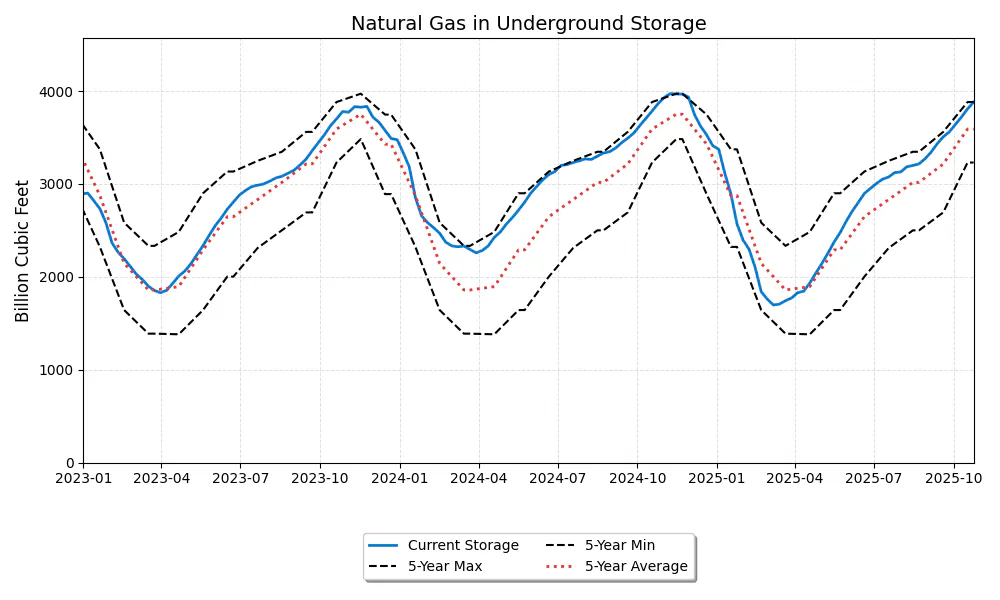
Picture 1 - Natural Gas in Underground Storage
Regionally, the Midwest (+25 Bcf) and South Central (+27 Bcf) posted the largest weekly gains. The East (+14 Bcf), Mountain (+4 Bcf), and Pacific (+5 Bcf) regions also added modest volumes. Together, these changes sum to the 74 Bcf injection across the Lower 48, and as shown in the accompanying chart, inventories remain near the upper end of the five-year range.
U.S. Weather Conditions: Marked Shift toward Colder Conditions
Over the past week, the United States experienced a marked shift toward colder and more variable conditions as successive cold fronts swept across the northern and central portions of the country. Arctic air penetrated deep into the Plains and Midwest, driving daytime highs into the 30s–40s°F (1–9°C) and producing the first widespread freezes of the season from the Upper Midwest to the Great Lakes. The Northwest and Northern Rockies also trended well below normal, with lows dipping into the 20s°F (–6°C), while the interior West remained cool and mostly dry.
In contrast, the southern tier and Atlantic seaboard held onto relatively mild weather, with highs in the upper 60s to mid-70s°F (20–24°C) across the Southeast and Gulf Coast under the influence of lingering high pressure. The Southwest, including southern California and Arizona, stayed warm with readings near 80°F (27°C). Overall, the evolving synoptic pattern reflected a pronounced north–south thermal gradient as autumn conditions strengthened across the continental U.S. With colder air expanding eastward, residential heating demand increased notably across the northern half of the country.
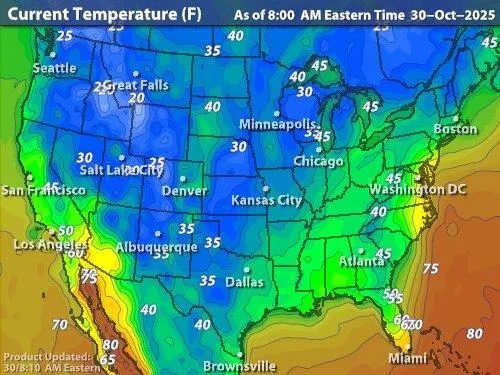
Picture 2 - United States Current Temperatures (F)
Source: https://www.wunderground.com/maps/temperature/us-current
During the period of November 7–13, 2025, the United States is forecast to experience predominantly above-normal temperatures across nearly the entire Lower 48. The central and western states, including the Rockies, Great Basin, and southern Plains, show the strongest probability of warmer-than-average conditions, with anomalies most pronounced over the interior West and central High Plains. The Midwest and Southeast also lean warmer than seasonal norms, maintaining a mild pattern into mid-November.
Along the East Coast, from the Mid-Atlantic to New England, temperatures are expected to remain near or slightly above normal, suggesting a continuation of moderate autumn weather. Alaska presents a split pattern, with cooler-than-normal conditions in western areas and above-normal readings along the southern coast, while Hawaii trends above normal. Overall, the outlook points to a broad and stable warm regime across the continental U.S., with limited cold air influence and minimal storm activity. This pattern implies subdued early-season heating demand and a delay in significant winter weather impacts.
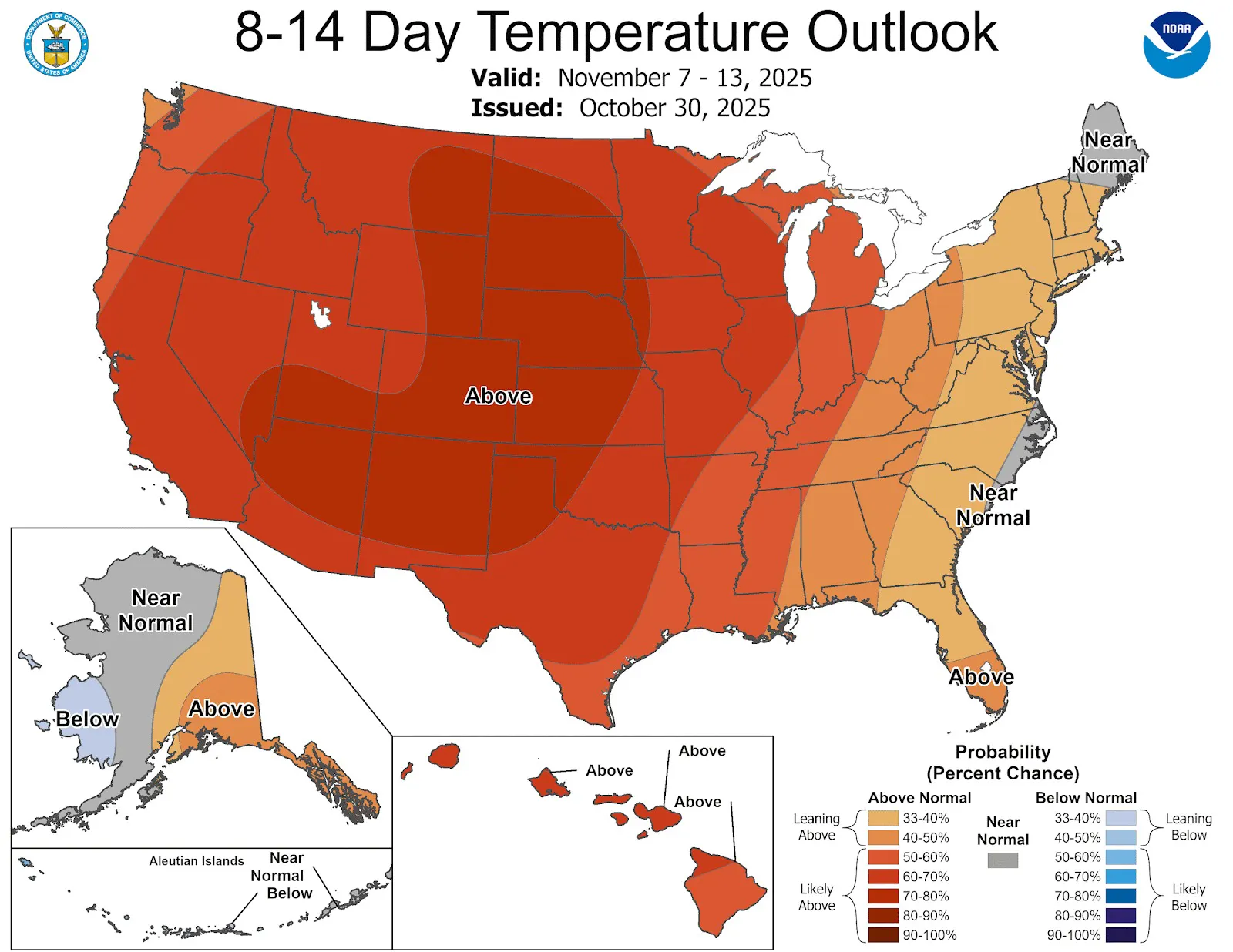
Picture 3 - Temperature outlook (F)
Source: https://www.cpc.ncep.noaa.gov/
During the week of October 24–30, 2025, total population-weighted degree days (CDD+HDD) across major U.S. demand centers increased modestly from the prior week, reflecting the seasonal shift toward early-winter heating. The national index continued its upward trajectory, driven primarily by expanding heating demand in the Midwest and Northeast, while residual cooling persisted in parts of the South. This pattern underscores the ongoing autumn transition as colder air masses penetrate farther south, gradually replacing lingering late-season warmth.
Among key states, New York led with roughly 18–20 degree days, marking a clear uptick in heating intensity. Texas averaged around 8–10 degree days, showing limited residual cooling with minimal heating load. Florida remained near 5–6 degree days amid mild and humid conditions, while Louisiana posted a similar range, consistent with subdued weather-related demand. California continued on the low end of the spectrum near 3–4 degree days, reflecting stable coastal temperatures. Collectively, regional contrasts indicate a continued north–south divide between active heating demand and tapering cooling influence.
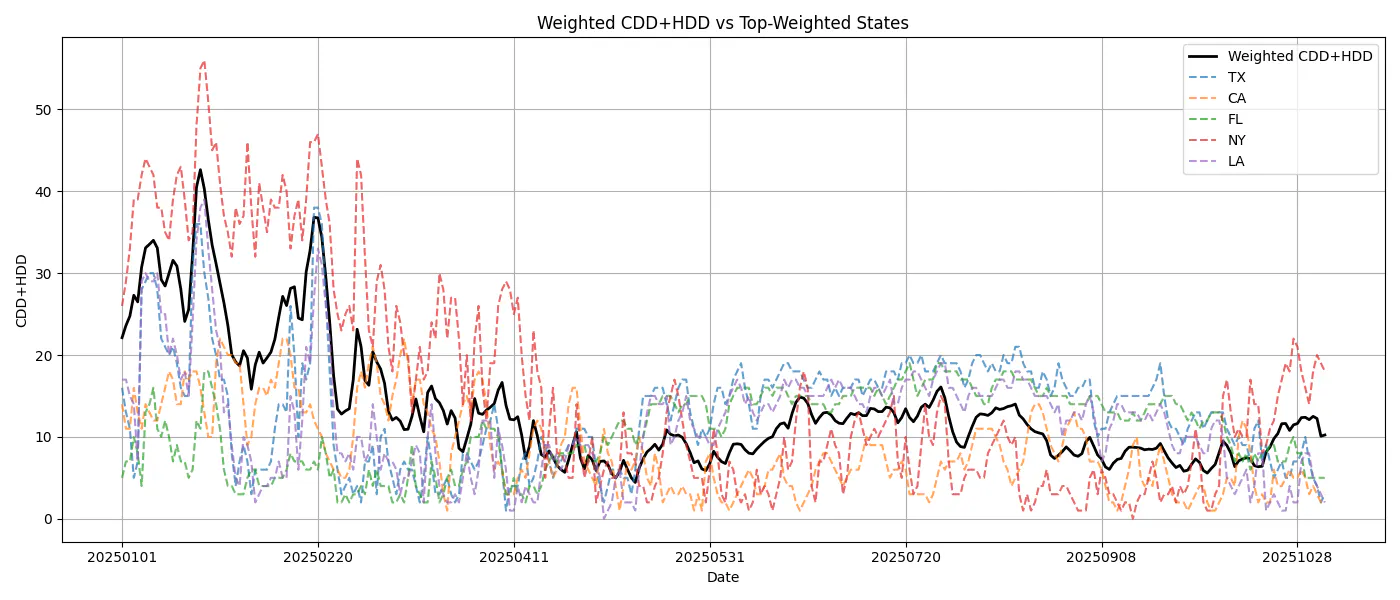
Picture 4 - Weighted CDD+HDD vs Top-Weighted States
Compared with climatological normals, national weighted CDD+HDD values remained slightly above the long-term mean, trending toward the upper half of the expected range but staying within the ±2σ envelope. Actual readings rose gradually through the week, mirroring the broader cooling trend seen across northern population centers. The index’s position within the normal band suggests balanced conditions—neither unusually warm nor sharply cold—consistent with typical late-October variability across the Lower 48.
Weather-driven natural gas demand strengthened slightly as heating requirements expanded in northern regions while cooling demand persisted modestly in the South. This balanced load supports steady consumption levels entering November, with injections likely tapering as the heating season begins to take hold.
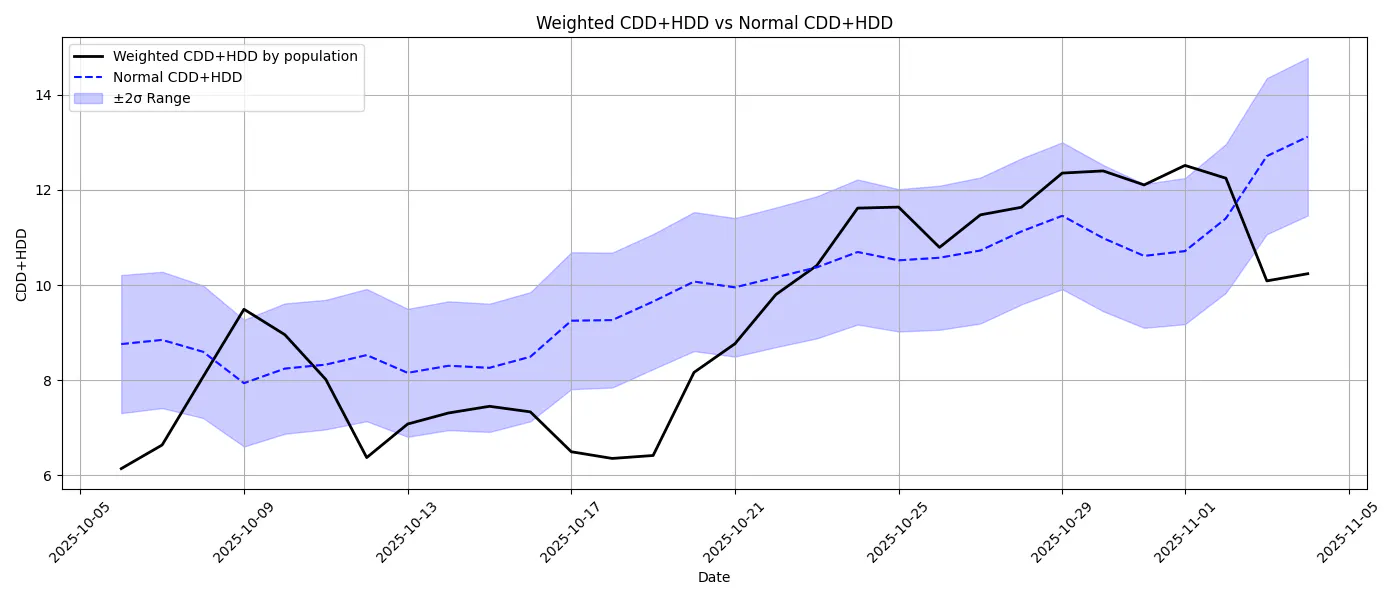
Picture 5 - Weighted CDD+HDD vs Normal CDD+HDD
Europe’s Weather Conditions: Pronounced Seasonal Cooling Trend
Across Europe, average temperatures during October 19–25, 2025, reflected a pronounced seasonal cooling trend across northern and eastern regions. Scandinavia, the Baltic states, Belarus, and northern Russia recorded daytime averages generally between 0 °C and 6 °C, marking the steady establishment of late-autumn conditions. Cooler anomalies were also present across central and eastern Europe, including Poland, Ukraine, and the Czech Republic, where averages remained below 10 °C.
In contrast, western and southern Europe continued to experience mild to warm conditions. The Iberian Peninsula, southern France, Italy, and the western Balkans maintained average temperatures between 15 °C and 20 °C, consistent with residual Mediterranean warmth. Central Europe formed a transitional corridor, with readings near 10–12 °C, separating the warmer southwest from the cooler northeast.
This configuration underscores a clear north–south temperature divide across the continent. While autumnal air masses dominate northern and eastern Europe, the Mediterranean basin retains late-season mildness, leading to elevated heating demand in the north and east but only moderate requirements elsewhere.
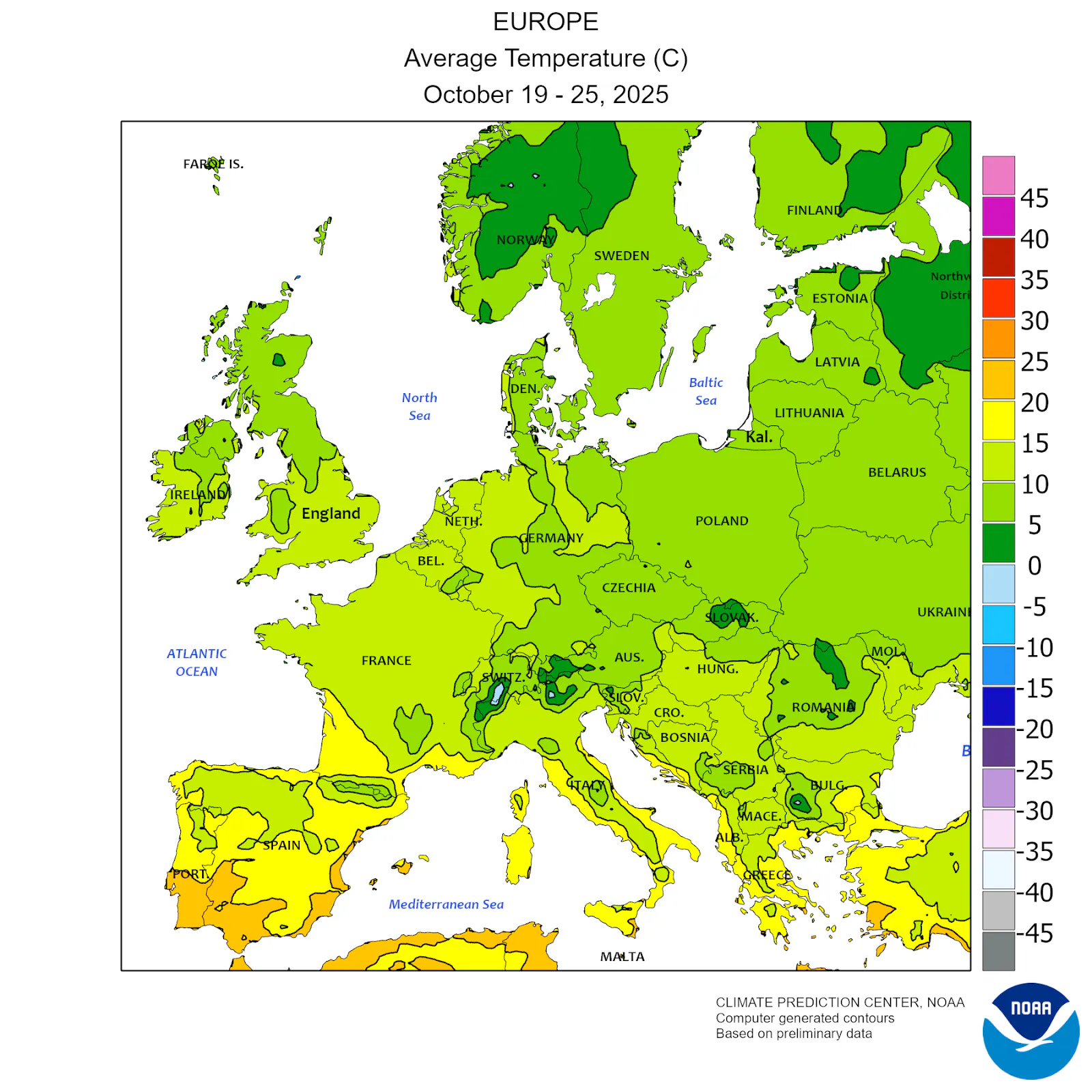
Picture 6 – Europe Average Temperature (°C)
Source:https://www.cpc.ncep.noaa.gov/products/JAWF_Monitoring/Europe/temperature.shtml
U.S. Production and LNG Exports: Steady near Recent Highs
U.S. dry natural gas production remained steady during the week of October 23–29, averaging near recent highs based on preliminary pipeline flow data. According to Baker Hughes, for the week ending Tuesday, October 21, the natural gas rig count held flat at 121 rigs, while the number of oil-directed rigs increased by 2 to 420. The total rig count rose slightly to 550, including 9 miscellaneous rigs, 35 fewer than a year ago. Regional changes included a one-rig decline each in the Eagle Ford and Permian basins, partially offset by four additions in other producing regions, indicating stable upstream activity heading into late autumn.
During the same week, 34 LNG vessels departed U.S. export terminals with a combined capacity of 129 Bcf, according to shipping data compiled by Bloomberg Finance, L.P. Departures included nine from Sabine Pass, seven from Plaquemines, five from Corpus Christi, four from Freeport, three each from Cameron and Calcasieu Pass, two from Cove Point, and one from Elba Island. The sustained pace of shipments underscores robust international demand for U.S. LNG, as global markets continue to secure supplies ahead of the winter heating season.
European Gas Storage Levels: Slightly below Record Highs
According to the latest AGSI+ data, as of late October 2025, underground natural gas storage sites across Europe averaged around 86% full. This level remains slightly below the record highs reached in 2023 and 2024 but well above historical averages for this time of year. The 2025 refill season has followed a stable trajectory since spring, characterized by steady injections and minimal volatility in storage utilization. Overall, Europe enters the heating season with a robust storage position, providing a solid supply cushion even amid early-season cooling across northern markets.
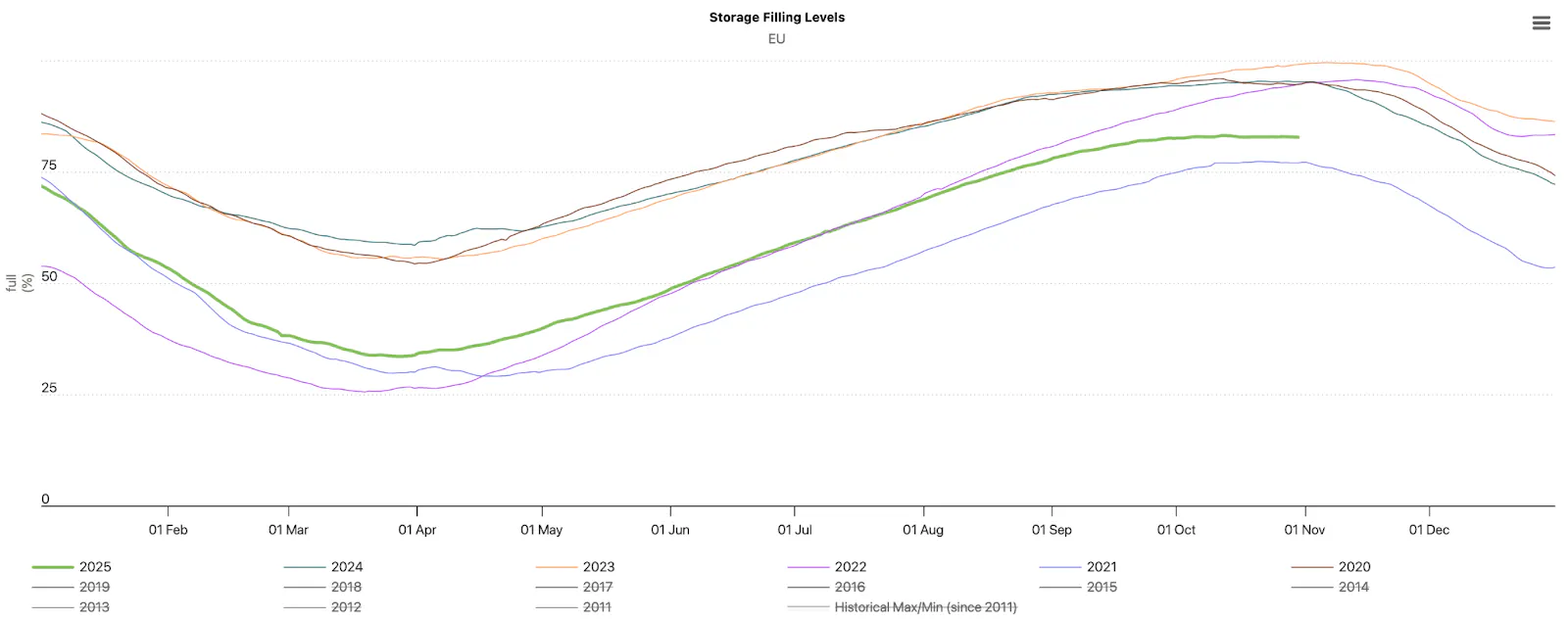
Picture 7 - Storage Filling Levels (EU)
Source: https://agsi.gie.eu/data-visualisation/filling-levels/EU
Regionally, storage levels exceed 90% in Spain, France, Italy, and Belgium, while Germany, Austria, and Poland maintain strong holdings in the 80–90% range. In Northern and Eastern Europe, Sweden and Denmark report moderate fullness near 60%, whereas Belarus and Ukraine remain notably lower, with inventories below 45%. This distribution continues to highlight a west–east divide in gas preparedness: Western and Southern Europe remain well positioned for winter, while several eastern neighbors could rely more heavily on cross-border supply flows to meet seasonal demand.
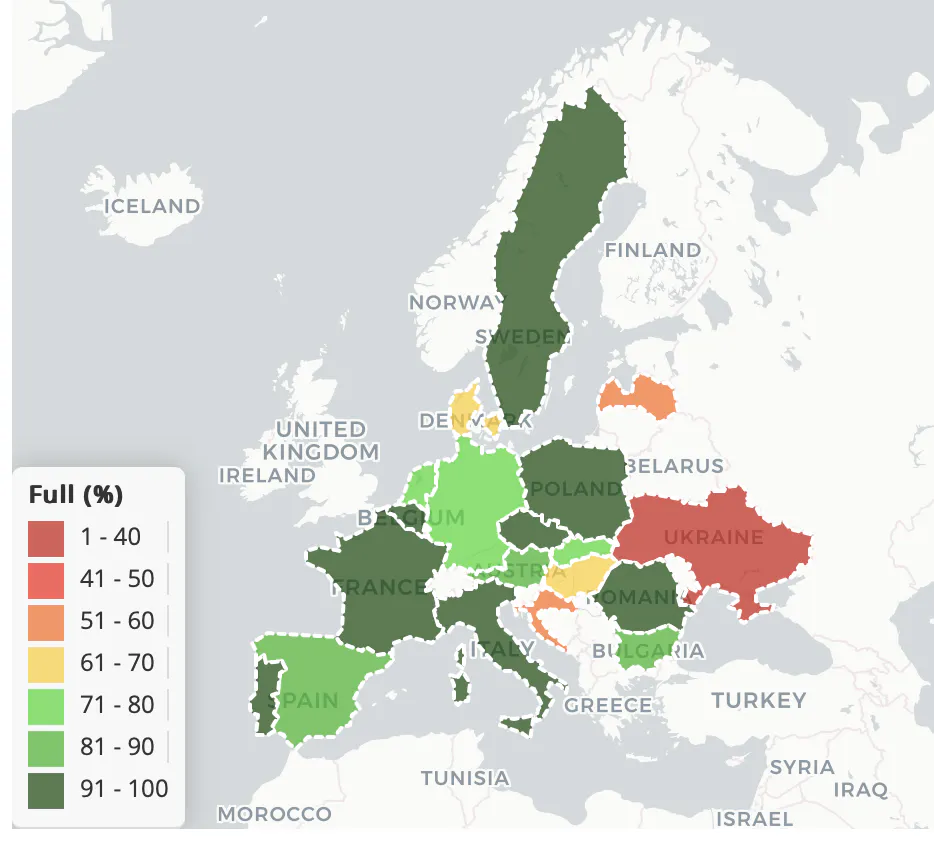
Picture 8 - Filling levels country map (EU)
Source: https://agsi.gie.eu/data-visualisation/filling-levels-country/map
Conclusion
Over the latest report week, natural gas prices diverged across the Atlantic. At the U.S. Henry Hub, front-month futures rose to $4.07/MMBtu as colder weather swept through the Midwest and Northeast, boosting early heating demand. Storage injections remained above average (+74 Bcf to 3,882 Bcf), and LNG exports continued at a strong pace (34 cargoes; 129 Bcf), underscoring firm export-driven demand despite ample inventories. In Europe, the Dutch TTF front-month contract eased to €31.4/MWh (≈$9.2/MMBtu) amid comfortable regional storage (~86% full) and reduced near-term weather risk. The pullback reflected well-supplied market conditions and steady LNG inflows, even as winter preparations remain in focus.
For the coming week, Henry Hub prices are expected to trade in the $3.80–$4.20/MMBtu range, supported by colder forecasts and sustained LNG loadings, while European TTF is likely to fluctuate between €30–33/MWh (≈$8.8–9.7/MMBtu) under high storage and moderate demand. Overall, the near-term balance points to bearish fundamentals from robust inventories and mild weather, partially offset by bullish support from exports and the seasonal rise in heating needs, maintaining a broadly stable market environment.