


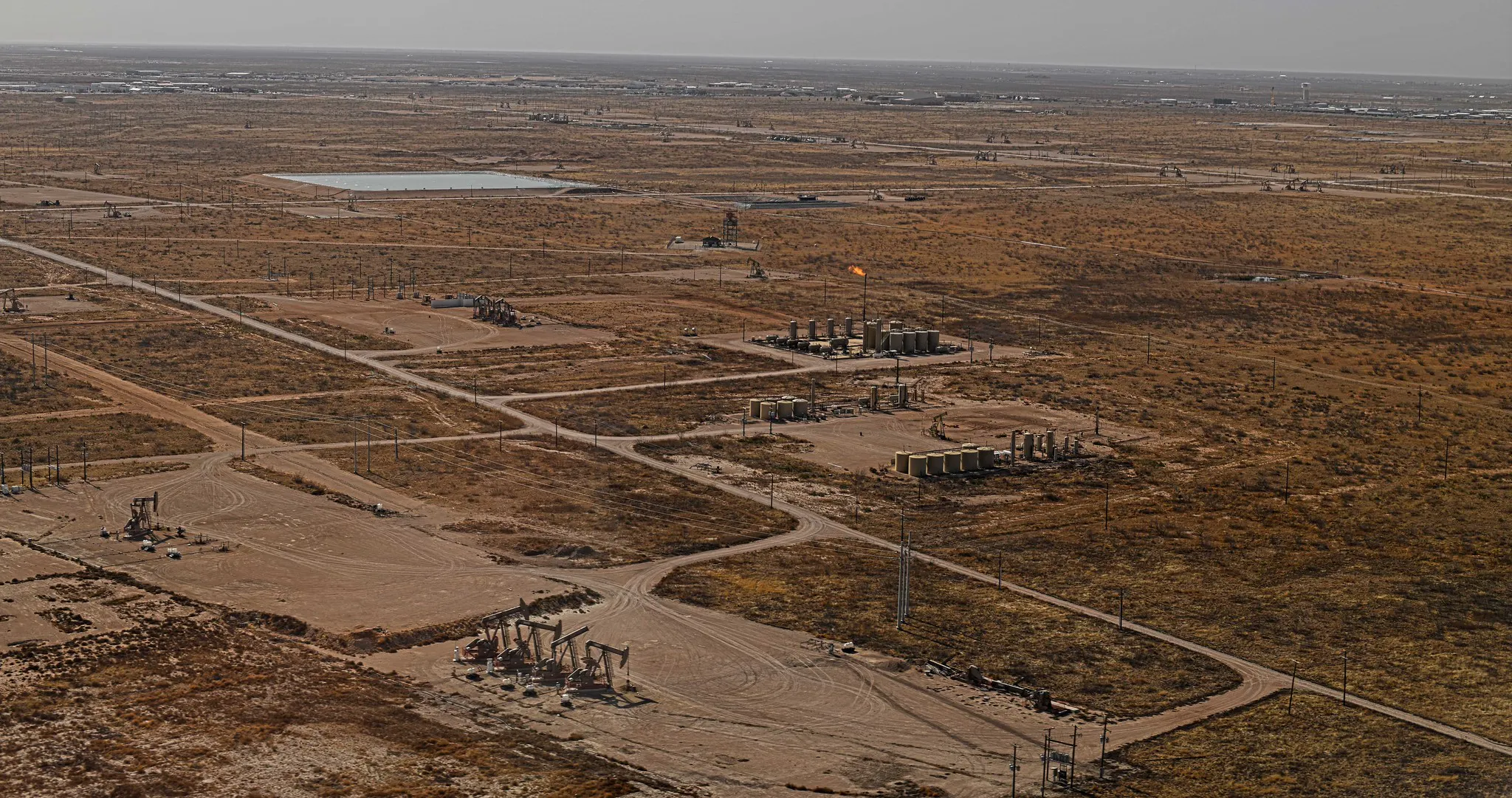
America's shale boom is almost always measured in barrels. Take a look at the Permian Basin, pulling six million barrels of crude a day in December 2025, which is 44 percent of total U.S. crude output. Throw in the 22.2 billion cubic feet of dry natural gas pumped out every single day, and it looks like an unstoppable machine.
But production figures alone are a bit of a trap, as they don't actually tell you whether this boom can be sustained.
Shale is not a resource that magically expands simply because the oil happens to sit underground. It's an endless treadmill of investment decisions. Every new well has to be drilled, completed, connected to infrastructure, operated, maintained, and eventually abandoned. America's large shale advantage relies entirely on whether producers can keep repeating that exact cycle while actually making a decent return.
First commitment
Shale wells eat up serious cash before producing their first oil. This includes preparing the site, drilling vertical and horizontal wells, installing casing, fracking the reservoir, getting it ready for production, and then connecting it to surface equipment.
All this upfront spending is lumped under "drilling and completion" (D&C), which also includes fracking. It's a key number watched closely in the industry. Lowering D&C costs directly means making more money.
Take Permian Resources in Q4 2025, for example. D&C costs were around $700 per lateral foot. On an 11,000-foot lateral, that's about $7.7 million just for drilling and completion.
But costs swing based on basin, oil recovery factor, lateral length, fracking design, and what crews and equipment cost. More importantly, D&C is a down payment, not the full cost.
A new well also needs surface facilities, pipelines to gather the produced oil, daily operational support, royalty payments, taxes, and a plan to handle every byproduct. At the end of a well's life, you have to abandon it and clean up the site.
Shale wells are front-loaded. They make most of their money early on, when production is highest. That initial cash flow needs to be strong enough to justify the millions spent before production drops.
Price of a new well
Oil producers don't just greenlight new wells based on a couple of good months. Lifetime oil and gas estimates and expected market prices are all accounted for. Then they subtract every single cost of getting the final product to a buyer.
Oil revenue has to cover the initial capital sunk in, daily operating costs, infrastructure fees, taxes, and future liabilities. Only then does it make sense to drill a new well.
The Dallas Fed Energy Survey spells this out. In Q1 2025, producers said they needed $65 per barrel of WTI to drill new wells profitably.
But eventually, the lack of new wells catches up. Shale relies on fresh drilling. Older wells can't maintain their initial flow rates forever.
The need to replace decline
Shale wells are volatile. They pump out tons of oil early on, and then production plummets fast.
This creates a rigid spending cycle for shale outfits. Producers aren't just drilling to grow; they're drilling to replace what's already being lost from their older wells.
When profits are good, drilling keeps pace with decline and output rises. When profits shrink, drilling slows down, cash is saved, and producers wait. The impact isn't seen right away, because the old wells keep producing.
That's shale's strength: a quick response when the money is flowing, and disciplined spending when it's not.
Not all formations are equal
Two wells side by side can have wildly different payouts. One might be gushing under pressure, while the other is a headache to operate or gets hammered by transport and processing fees.
A well's real worth is geology plus logistics. Resource estimates are worthless on their own. Investors want to know if a spot can be drilled, piped, pumped, and shut down for a profit.
For years, companies drilled the best stuff first - Tier 1 acreage, the densest, most profitable spots. Now, research firms like Enverus and Rystad Energy say that Tier 1 acreage is drying up fast, and some core areas have less than ten years left at current drilling rates.
Companies will be forced into Tier 2 and Tier 3 acreage. These wells produce less oil upfront but still cost the same or more to drill and complete. This will reduce the basin's capital efficiency, and higher oil prices will be needed just to make drilling worthwhile.
Cost of handling output
Oil wells produce more than just crude. You also get natural gas and a lot of produced water - a toxic, metal-laced brine. Handle it wrong, and you lose money.
Piping, trucking, or treating that water is a logistical nightmare. Costs vary widely depending on location. Pipeline access, truck distance, the water's chemical makeup, and even disposal-well availability all eat into profits.
Look at the Permian. The Texas Railroad Commission isn't handing out saltwater disposal permits like candy anymore. Regulators check the geology, watch reservoir pressure, and cap daily injection volumes.
These rules make one thing clear: water disposal isn't some invisible background service - it's a regulated headache.
Recycling water helps a bit. The EPA says reusing it for fracking is standard practice. But that means storage tanks, logistics, and testing all have to align perfectly with fracking schedules. It saves money on one site but can create chaos on another.
And don't forget about the gas system. Oil relies on it just as much.
Oil needs a gas system
Every oil well produces natural gas. You can't just let it vent into the atmosphere. It has to be captured, compressed, processed, and shipped out.
These steps determine everything: how much you can sell the gas for, what price you actually receive after midstream companies take their cut, and whether you're even allowed to keep pumping oil. Gas infrastructure isn't just a pipeline company's problem - it's built into oil drilling economics.
In the Permian, this is very noticeable. In December 2025, dry gas production reached 22.2 billion cubic feet daily. If oil companies keep drilling, the gas network has to expand too - gathering lines, compressor stations, processing plants, and long-haul pipelines, all of it.
Henry Hub prices don't tell the whole story. An operator cares about the final price after local discounts, processing fees, and transport costs are deducted.
Wells connected to unconstrained pipelines have predictable economics. Wells stuck in areas with maxed-out gathering lines or poor local gas prices need a much higher oil price to justify drilling.
And as this network grows, maintaining it becomes a significant liability. Reliable gas infrastructure requires constant upkeep and strict compliance checks, including mandatory methane leak detection and repair.
Cost at the end
Wells run dry. Eventually, it isn't worth keeping them pumping. The lights go out, and equipment gets scrapped. That's called well abandonment.
What about abandonment costs? They're all over the place. Anyone claiming there's a single average cost for plugging a well is just guessing. A well's real return is exaggerated if you count all the money it makes but ignore the large bill waiting at the end.
This debt becomes real when older wells get sold. Big companies unload them to streamline their portfolios, but that doesn't erase the cleanup work - it just shifts the burden to a smaller operator.
What if that smaller operator goes bankrupt? The cleanup falls on the public. The Orphaned Well Program has $4.7 billion set aside just to handle abandoned wells. That clearly shows cleanup costs don't disappear just because companies defer them or run out of cash.
Wall Street's mandate
The math on the next well is dictated just as much by bankers as by geologists. Before 2020, the shale sector operated like the Wild West: companies routinely blew past their operating cash flow just to show Wall Street large production growth, funding the whole party with debt.
Those days are over. Wall Street's new mandate is strict capital discipline. Investors don't care about sheer volume anymore. They demand free cash flow, aggressive stock buybacks, and reliable dividends. If an operator takes its profits and plows them all back into drilling, its stock gets hammered. When oil prices spike, companies now keep their drilling budgets and rig counts remarkably flat compared to the boom years.
Above-ground risks
You can have the best formation and the fattest wallet, but getting it done isn't easy these days. The shale industry is stuck in a vise grip of inflation and labor shortages. Prices for steel pipe, proppant, diesel, and skilled drill crews have gone through the roof. That means the cost to drill a new well is higher than ever.
And producers aren't playing solo. OPEC+ calls the shots on global oil, and it can flood the market whenever it pleases. When that happens, prices drop like a stone - often below what shale wells need to break even.
On top of that, tightening environmental rules and regulations make it harder to secure funding.
The real measure of resilience
The Permian Basin is pumping out oil like crazy these days. But this isn't going to last forever. It's not about how much oil is left down there - it's about whether producers can keep finding wells that make sense to drill. Every single piece of this operation costs money, from finding the sweet spot to fracking it to getting the product out.
Each new well needs to pay for itself. It has to cover the cost of drilling and fracking, plus make up for the wells that are already declining. And all of this has to fit into a system that handles the toxic water, ships off the gas, keeps the rigs running, and eventually plugs the well back up properly.
This isn't some single line item on a profit-and-loss sheet. It's the whole chain of work - physical and financial obligations alike - required to turn dirt into oil on someone's balance sheet.