


SPONSORED CONTENT
Across the United States, thousands of aging dams are approaching the limits of their original design life. For many communities, the challenge is no longer simply whether to maintain or replace aging infrastructure, but how to do so while protecting environmental resources, preserving historical context, and ensuring public safety.
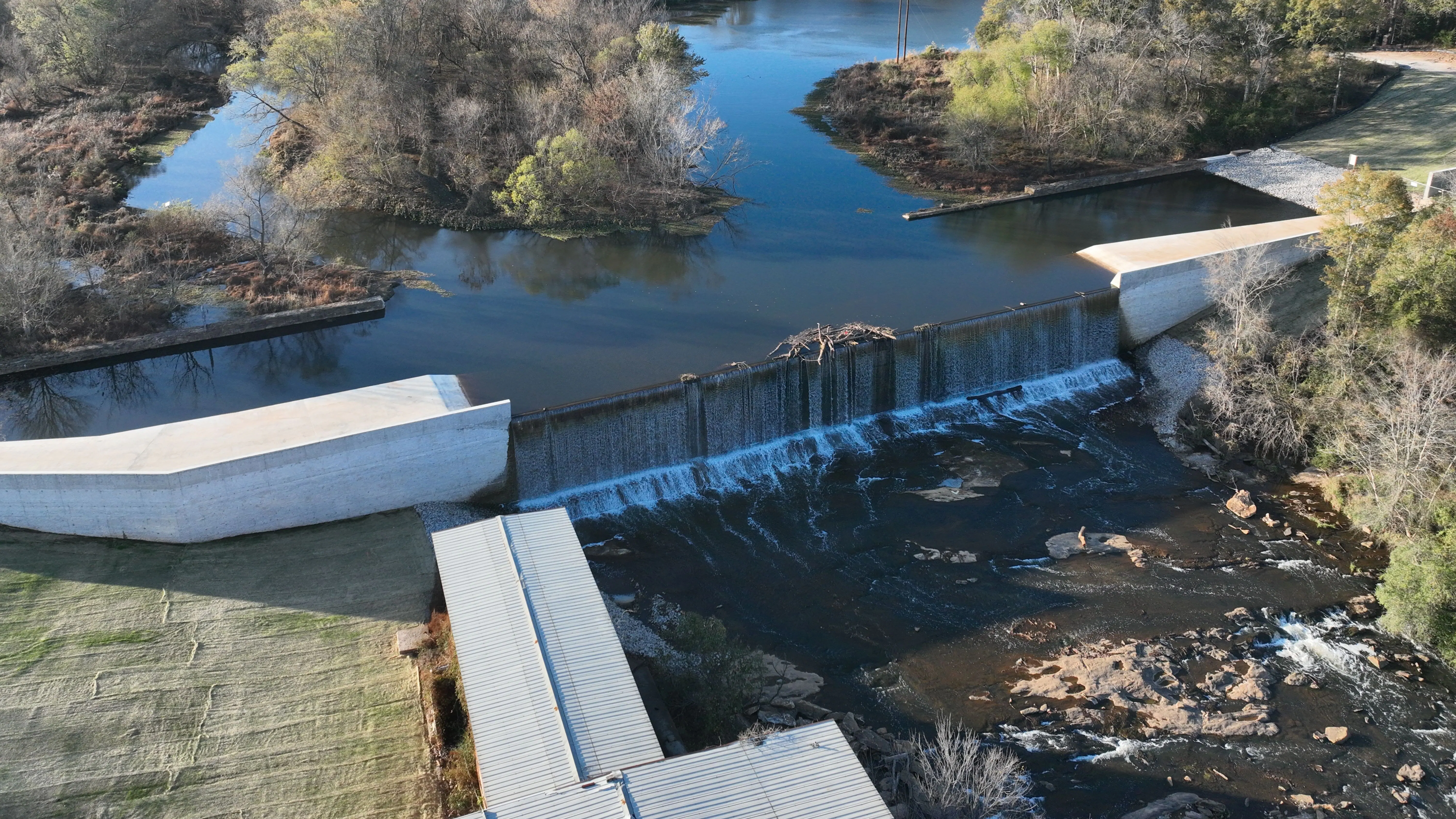
In Greenville, South Carolina, the Lake Conestee Dam Replacement Project offers a compelling example of how these priorities can come together through thoughtful planning, engineering innovation, and stakeholder collaboration.
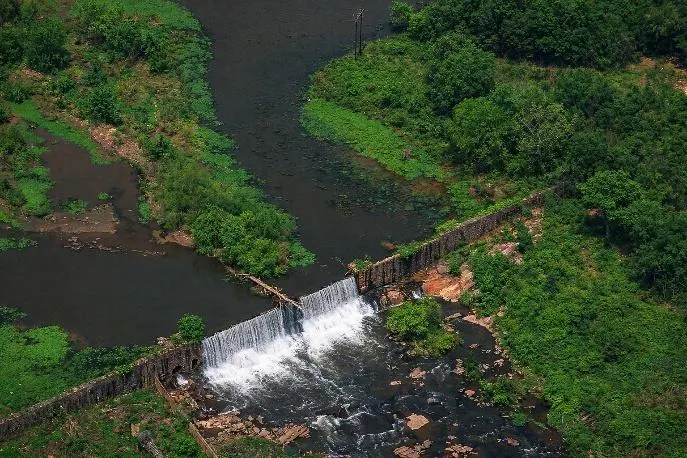
Originally constructed in 1892, the Lake Conestee Dam sits along the Reedy River just south of downtown Greenville. For more than a century, the structure played a key role in shaping the surrounding landscape and community. Over time, however, it also became something else entirely: an environmental safeguard.
Sediments upstream of the dam contain legacy contaminants from the region’s industrial past. For decades, the original stone masonry structure effectively served as the barrier containing those materials. When structural concerns began to emerge as the dam aged, the challenge became clear—how to replace the structure while ensuring that the sediments it contained remained safely in place.
“Replacing a dam that safely contains legacy sediments requires more than engineering, it requires strategy, collaboration, and long-term environmental thinking.”
A River Defined by Industrial History
a thriving manufacturing economy. Textile mills and other industrial facilities along the river fueled Greenville’s economic development for decades.
At the same time, those activities left behind environmental impacts that are still being managed today. Sediments containing industrial contaminants accumulated upstream of the dam over many years, making the structure a critical containment barrier.
While the original dam was never designed for that purpose, it ultimately played a vital role in protecting downstream ecosystems and water resources.
More than 130 years after its construction, however, the aging dam no longer met modern safety expectations. Structural deterioration raised concerns about long-term reliability and the potential consequences should the structure fail.
Any replacement solution therefore had to achieve multiple objectives simultaneously: improving dam safety, maintaining containment of legacy sediments, protecting downstream ecosystems, and navigating complex regulatory and stakeholder requirements.
The Lake Conestee Dam Restoration Project, LLC was established to lead that effort and guide development of a long-term solution.
Building the Strategic Foundation
Replacing a historic dam is rarely straightforward. In this case, the presence of legacy contaminated sediments upstream added another layer of complexity to the project.
To guide the process, the project team developed a comprehensive strategic planning framework to support dam replacement and long-term environmental protection.
This planning effort included hydrologic and hydraulic modeling, geotechnical exploration, and detailed inspections of the existing dam and spillway structures. These analyses provided a clearer understanding of the river system, the structural condition of the dam, and the potential risks associated with replacement alternatives.
Just as importantly, the strategic planning phase helped align technical decision-making with regulatory requirements and stakeholder priorities.
Projects involving historic infrastructure and environmental legacy issues often require coordination across numerous entities. In this case, collaboration included environmental regulators, cultural resource agencies, and the State Historic Preservation Office.
Early engagement with these stakeholders helped ensure that the replacement strategy addressed environmental protection, historical preservation, and permitting considerations simultaneously.
Advancing from Strategy to Implementation
While strategic planning established the direction for the project, successful implementation required careful coordination across multiple phases of work, from procurement and design to construction and stakeholder engagement.
Project support extended beyond engineering analysis to include assistance with procurement of the owner’s project manager and design-build team, coordination with historical preservation stakeholders, and construction-phase engineering services.
This integrated approach allowed the project to move efficiently from planning through implementation while maintaining alignment among regulatory agencies, community stakeholders, and project partners.
The new downstream dam was designed specifically to maintain containment of legacy contaminated sediments while improving structural reliability and environmental protection.
By maintaining sediment containment, the replacement structure continues to safeguard downstream water resources and ecosystems along the Reedy River corridor.
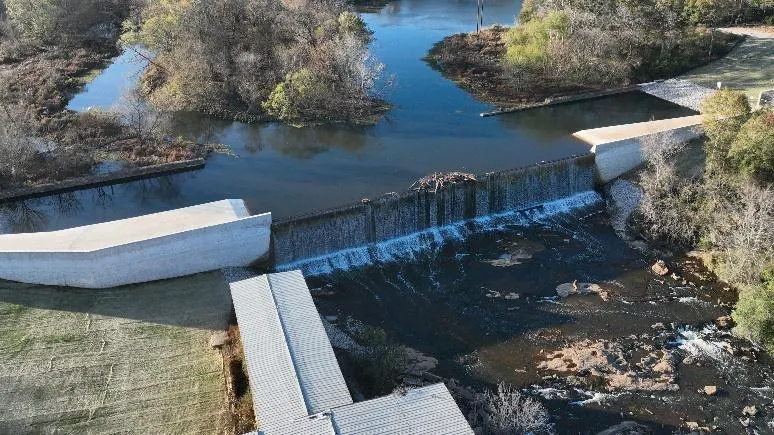
“Infrastructure modernization doesn’t always mean removing the past. In some cases, it means preserving the environmental protections that past infrastructure unintentionally created.”
Equally important, the project successfully navigated the complex coordination requirements often associated with legacy environmental sites.
Through collaborative planning and proactive stakeholder engagement, the project was completed ahead of schedule and under budget, while meeting both client objectives and community expectations. This success was also driven by the team’s grit and determination, with many long hours and a strong collective push to get the project across the finish line.
Preserving the Story of the Site
Infrastructure modernization often focuses primarily on engineering outcomes. At Lake Conestee, however, the project team also recognized the importance of preserving the cultural and historical significance of the site.
The original dam and surrounding industrial landscape represent an important chapter in Greenville’s development. As part of the project, stakeholders worked together to create an interpretive historical kiosk highlighting the dam’s role in the region’s industrial and environmental history.
This feature reflects a broader shift within the water resources community, one that recognizes infrastructure projects as opportunities not only to improve safety and resilience, but also to connect communities with the history and ecosystems that shape their landscapes.
Lessons for the Hydropower Community
Across North America, aging dams present increasingly complex challenges for dam owners, regulators, and communities.
The Lake Conestee Dam Replacement Project offers several important lessons for similar projects moving forward.
Early strategic planning can significantly reduce project risk by identifying technical, regulatory, and environmental considerations before major design decisions are made. It also allows teams to anticipate and plan for potential risks that could impact budget, schedule, and—most importantly, safety.
Second, proactive stakeholder collaboration helps build consensus and maintain project momentum—particularly when projects involve environmental legacy issues or historic infrastructure.
Finally, infrastructure modernization can be an opportunity to preserve and interpret the historical significance of a site while improving safety and environmental protection.
As hydropower and water infrastructure projects continue to modernize aging facilities nationwide, projects like Lake Conestee demonstrate how engineering expertise, environmental stewardship, and collaborative leadership can work together to protect both communities and the rivers they depend on.