


India’s utility-scale Battery Energy Storage System (BESS) market is entering a stricter regulatory phase. With CEA Chapter XA (effective April 2027), systems above 650V will face enhanced requirements in fire safety, explosion protection, gas management, and ventilation design.
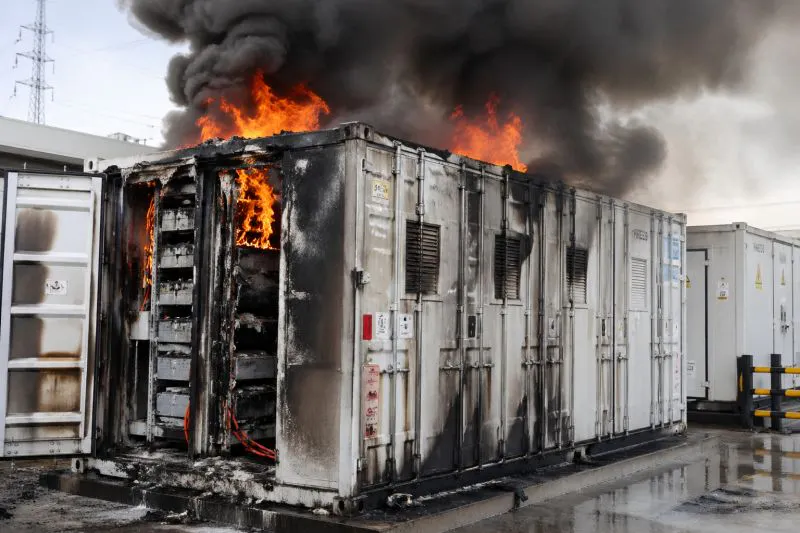
At the same time, Long-Duration Energy Storage (LDES) is accelerating as a key deployment trend. This shift is not only increasing storage duration, but also changing the fundamental safety assumptions of BESS design.
In LDES applications, systems typically involve:
• Longer exposure time under abnormal thermal conditions
• Higher sustained heat dissipation requirements
• Increased gas generation during failure scenarios
• More complex multi-container or multi-rack configurations
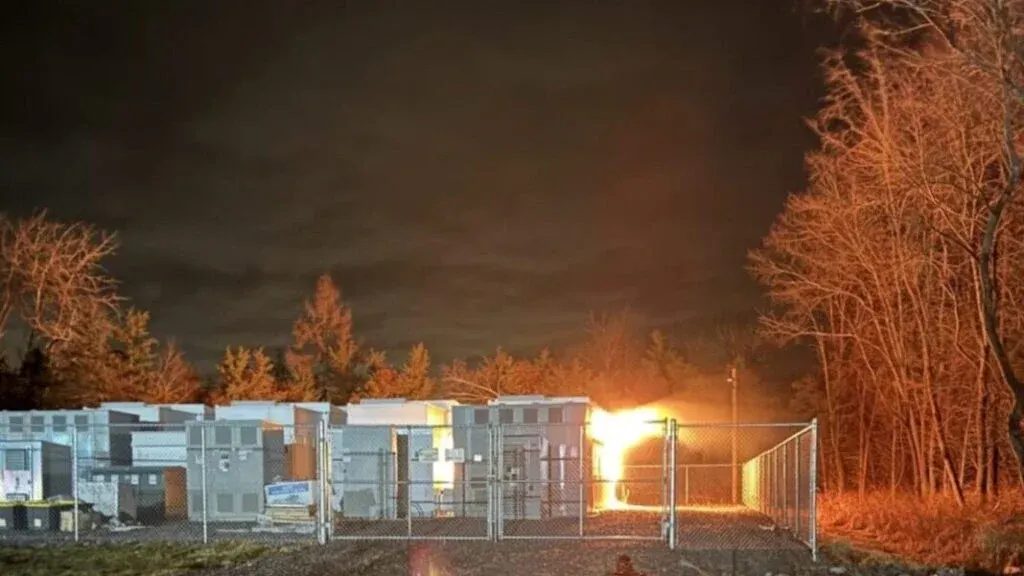
As a result, BESS safety is moving from a fire-suppression focus to early-stage risk control engineering, including:
— Thermal runaway propagation control
— Controlled gas venting and dispersion design
— Internal pressure management under fault conditions
— Prevention of flammable gas accumulation
Within this framework, enclosure ventilation is no longer a secondary subsystem. It is becoming a core part of the system-level safety architecture, especially for LDES projects.
Poor ventilation design can affect:
• Explosion relief performance
• Fire compartment integrity
• IP/NEMA protection stability
• Acoustic compliance
• Insurance and certification approval
As LDES adoption grows in grid balancing and renewable integration, BESS design is increasingly a multi-domain integration challenge. Electrical, thermal, structural, and ventilation systems must be engineered together, not separately.
Early-stage design decisions are now critical to compliance, safety performance, and insurability.
Feel free to reach out to explore potential solutions:
Lacey Xiao
Internationl Trade & Technical Manager
📱 +86 199 2802 9515
✉️ [email protected]