Electricity generation, like any other economic sector, is influenced by national and international economic, social, and political conditions. Political situations, especially international conflicts, can have a significant impact because countries maintain strong trade and economic relations with each other.
In addition, electricity is considered a strategic sector because all other sectors depend on it. There is almost no activity that can function without electricity. Therefore, if this strategic sector experiences serious disruptions, many other sectors also be affected, potentially causing economic instability.
In general, there are two main types of electricity generation: conventional and renewable.
Conventional generation relies on exhaustible resources such as coal, natural gas, oil, and nuclear energy. Renewable generation, on the other hand, relies on natural and renewable resources such as solar, wind, and hydropower.
Why many people still do not have access to electricity
Electricity generation requires heavy investment and significant financial resources. For this reason, several countries with weak economies do not have sufficient budgets to build new power plants, substations, and transmission lines.
As a result, many people around the world still lack access to electricity because their countries do not have enough generation capacity to meet demand. To maintain balance in the electrical network, some regions limit the number of hours of electricity supply per day according to their generation capacity.
In reality, the lack of generation capacity is not always the main problem. Some countries rely on electricity imports from neighboring countries through interconnected power networks. In some cases, importing electricity can be more economical than producing it locally.
Why gas and fuel are necessary for electricity generation
There are several methods to generate electricity. Nuclear energy is used in some countries, but it requires advanced technology and strict safety standards, which limits its use.
Thermal power generation, using gas, fuel, or coal, is currently the most widely used technology in the world. These power plants require hydrocarbon fuels as primary energy sources.
Hydropower plants use falling water to rotate turbines and generate electricity. These plants are usually associated with dams that store water. Hydropower is considered one of the most efficient and clean sources of electricity.
Solar and wind energy are the fastest-growing renewable energy sources over the past twenty years. Although their investment costs remain relatively high, their primary energy sources are free and naturally available. However, these energy sources suffer from intermittency, meaning their electricity output can sometimes drop to zero when there is no sun or wind.
According to Our World in Data, coal represented about 34% of global electricity generation in 2024, while gas and oil represented about 25.11%. In contrast, solar and wind together accounted for only about 15% of global electricity generation.
This means that approximately 59% of global electricity generation still depends on fossil fuels. Therefore, any disruption in the supply of these resources could threaten a large portion of global electricity production.
The importance of Fuel stocks and reserves
To ensure continuous operation, thermal power plants need a constant supply of fuel. For this reason, storage tanks for fuel or gas storage facilities are used to ensure energy security.
However, these storage facilities have limited capacity. In some cases, power plants may only have enough fuel reserves to operate for two or three weeks.
If supply disruptions last longer, the situation may become more complicated, and some power plants may be forced to stop electricity production due to a lack of primary energy. Such shortages can severely affect other sectors such as industry, transportation, and agriculture, potentially leading to serious economic crises.
Renewable power plants do not face the same fuel supply issues because they rely on natural resources such as sunlight, wind, and water. However, the share of renewable energy is still relatively low compared with fossil fuels, and solar and wind generation can sometimes fall to zero due to weather conditions.
Transportation of hydrocarbon resources
Oil and natural gas play a major role in global economic and commercial activities. Oil prices can vary widely, typically ranging from 20 to 120 dollars per barrel, while natural gas prices generally fluctuate within a lower range from 2 to 4 dollars.
To transport these hydrocarbon resources from production regions to consumption markets, two main methods are used: pipelines and maritime transportation.
One of the most strategic maritime routes for energy transport is the Strait of Hormuz. A large portion of oil and liquefied natural gas exported from the Gulf region passes through this strait.
According to energy specialists, about 20% of global oil trade and 22% of LNG trade pass through this strategic route. Any disruption in this area can therefore have major consequences for global energy supply.
Consequences of military conflicts
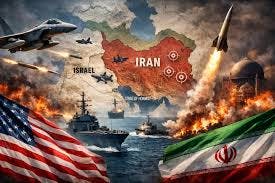
Recent geopolitical tensions involving the United States, Israel, and Iran have raised concerns about the security of energy supply routes.
Military conflicts can disrupt hydrocarbon transportation, increase maritime insurance costs, and create uncertainty in global energy markets.
As a result, oil and gas prices may increase, which directly affects electricity generation costs, especially in countries that rely heavily on fossil fuels.
These conflicts do not serve the long-term interests of any country. The most effective way to resolve such tensions is through dialogue, negotiation, and international cooperation rather than military escalation.
By Merahi Reda
Energy Expert Electricity Generation