


The growth of residential solar energy is changing how homeowners generate and consume electricity.
However, one challenge remains: solar installation can become complicated when customers need to coordinate equipment from multiple suppliers.
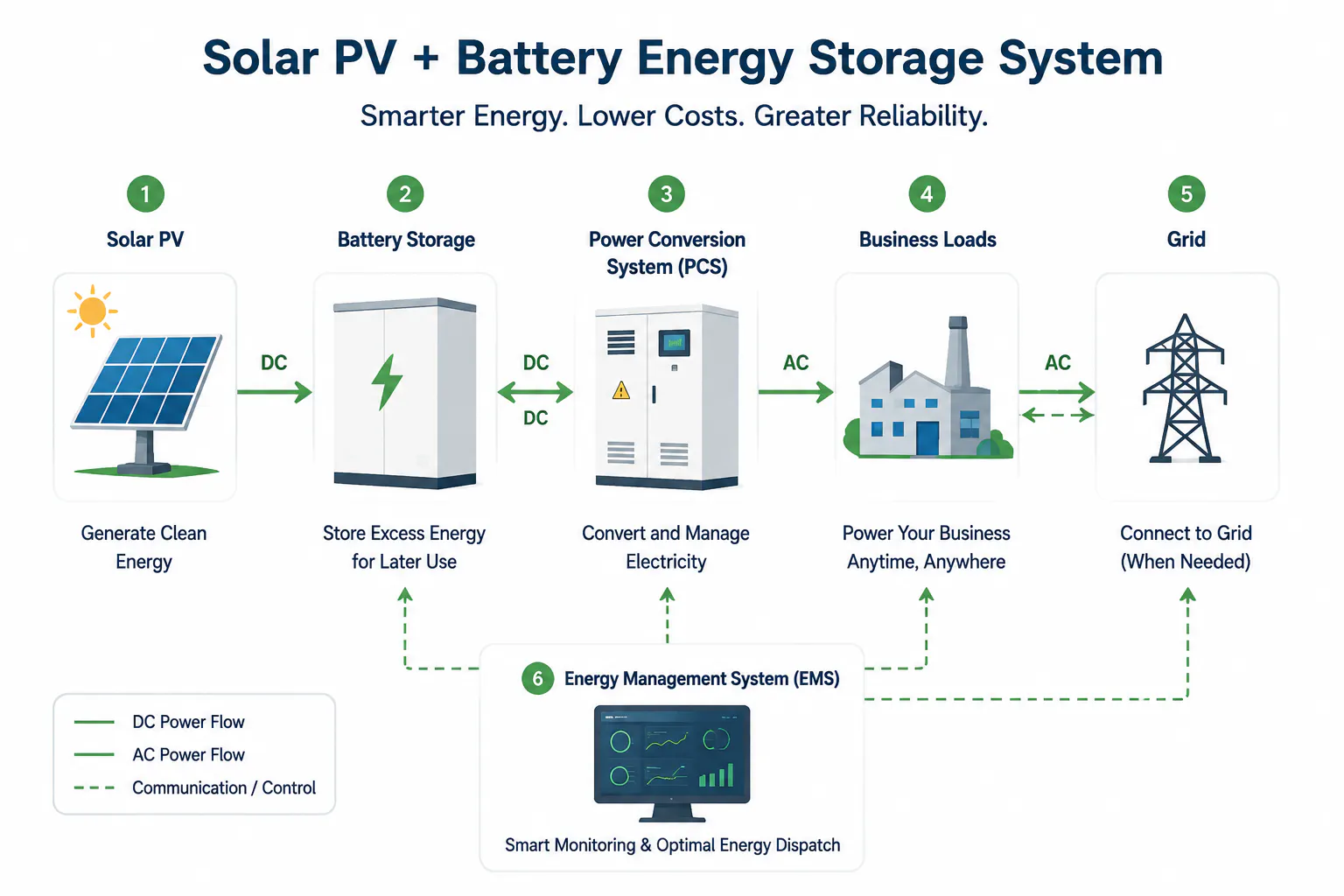
A complete solar system approach helps simplify the transition to renewable energy by integrating system design, equipment selection, logistics, and technical support into one solution.
Simplifying Solar System Design
Every home has different energy requirements.
A properly designed solar system should consider:
Household electricity consumption
Available installation space
Local climate conditions
Future energy demand
Customized system design helps ensure better performance and avoids unnecessary investment in oversized or unsuitable equipment.
Complete Equipment Integration
A reliable solar solution should include all essential components:
Solar panels
Inverters
Mounting structures
Cables
Installation accessories
Using compatible components improves system reliability and simplifies installation.
After-Sales Support: A Key Factor in Solar Investment
While equipment quality is important, long-term service capability is equally critical.
Residential solar customers often need support with:
System setup
Performance monitoring
Troubleshooting
Warranty services
Providing responsive technical assistance helps improve customer confidence and ensures better system operation throughout the product lifecycle.
The Future of Residential Solar
As more households adopt renewable energy, solar providers will compete not only through technology but also through service quality.
A successful solar solution is not simply a collection of components.
It is a complete energy experience — from initial design to long-term operation.
For homeowners considering solar, choosing a provider that offers integrated solutions and reliable support can make the transition to clean energy simpler, safer, and more efficient.