The utility industry is undergoing one of its most transformative periods—driven by regulatory shifts, rapid tech advancement, and changing customer expectations. To help address these challenges, Utility 2030 Collaborative (U2030) and Energy Central launched “Rethinking Utility Priorities: Bold Utility Leadership,” a year-long research initiative sponsored by HSI. Insights as part of this project are gathered through executive interviews, interactive webinars, surveys, and research – with final findings and results encapsulated in a white paper and in a special session at the Utility 2030 annual SPARK event.
This two part blog series shares snapshots from interviews conducted with executives in electric, gas and water utilities, offering utility leaders a sneak peek into preliminary findings and a look at how their peers are rethinking customer experience, emergency & outage preparedness, technology, workforce & leadership, and innovation in real time.
Powering the Future with Innovation and Agility
In Part 1, we explored how utility leaders are elevating the customer voice and rethinking outage management and emergency preparedness . Now, in Part 2, we dive into how utilities are navigating the shifting energy landscape - where success hinges on innovation, strategic workforce evolution, and a change in leadership mindsets.
Energy Transition: Beyond Low-Hanging Fruit
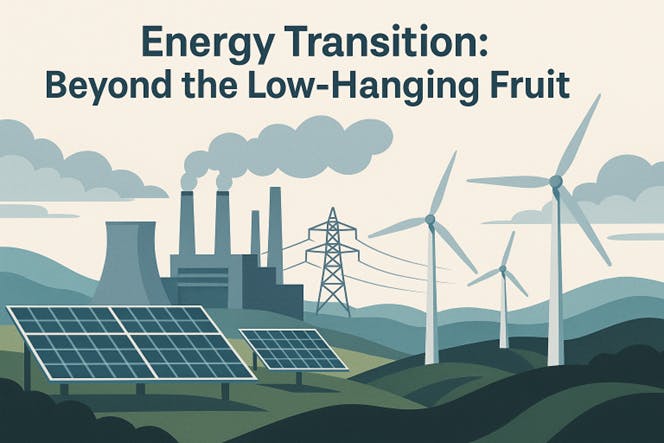
The energy transition has progressed beyond the initial phase of easy wins – “the low handing fruit”. Today, the challenge lies in continuing that momentum while maintaining reliability and managing costs - an increasingly difficult balance. Shifting political landscapes, evolving policies, and uncertainties are prompting many utility leaders to re-evaluate their transition strategies.
Success with grid-scale renewables hinges on more than just ambition; it requires modernized transmission infrastructure, faster project timelines, and large-scale investment in energy storage. Yet, many of these projects are taking longer and costing more than anticipated.
Meeting mandated goals - which tend to vary from net zero carbon by 2030 to more modest goals - while ensuring reliable baseload generation remains a critical concern. For many utilities, nuclear and natural gas continue to play essential roles - and in some cases, coal remains a foundational part of the generation mix.
Innovation is becoming embedded across every layer of operations. Leaders are not just adopting new tools; they’re rethinking how to use technology to solve their most pressing challenges.
From the deployment of AMI 2.0 to full-scale cloud migration, utilities are laying the foundation for smarter, faster, and more responsive systems. AMI 2.0, in particular, is unlocking deeper insights and enabling a new generation of customer programs and operational efficiencies.
Utilities are also investing heavily in sensors and real-time system monitoring, extending visibility across their full-service territories. Combined with expanded weather station networks - especially in areas vulnerable to wildfires - these capabilities support faster response, improved safety, and better planning for grid resilience. For example, SDG&E operates one of the largest weather station networks in the U.S., using real-time data to inform fire mitigation decisions and operational strategies (we discussed this in part 1).
AI is gaining traction in a range of applications, from customer call center automation to asset management and energy forecasting. In the field, drones are being deployed for asset inspections and vegetation management, with AI used to analyze the captured imagery - streamlining maintenance, improving risk detection, and saving time.
Meanwhile, several utilities are launching hydrogen pilot projects, exploring its potential for power generation and fleet fueling as part of their long-term decarbonization strategies. And the Vogtle nuclear facility, in Georgia, is also cited as an innovative approach to meeting growing energy demands, offering a low-carbon baseload generation solution that complements renewable investments.
Workforce and Leadership: Evolving Talent and Leadership Models
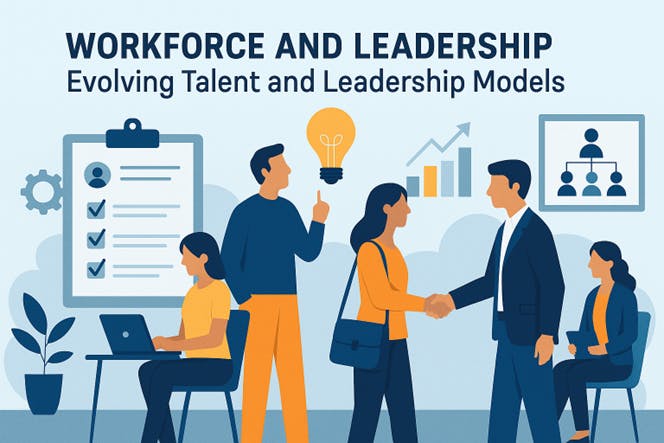
As the utility workforce continues to evolve, leaders are grappling with both generational shifts and operational demands. With a significant percentage of employees now having less than three years of experience, maintaining institutional knowledge is a growing concern. At the same time, Gen Z workers are entering the industry with new expectations around work-life balance, flexibility, and purpose—making workforce planning and employee engagement more critical than ever.
Rapid growth in electricity demand, particularly in regions with lower rates and favorable business environments, is also accelerating hiring needs. Utilities are expanding their customer base—especially in commercial and industrial sectors—and must scale their teams accordingly. This includes hiring more key account managers, technologists, and operations personnel to support the surge in demand.
In response, utilities are revamping how they approach talent development. Many are formalizing leadership development programs, implementing skills mapping, and offering job rotation opportunities to prepare younger or less experienced employees for long-term careers. Workforce strategies are increasingly focused on visibility in schools, streamlined training cycles, and stronger social media presence to improve recruitment outcomes.
Leadership expectations are also shifting. Agility, customer-centric thinking, and proactive risk management are becoming core leadership competencies. Utilities are beginning to offer customer service training not just to frontline staff, but to departments like engineering and planning—recognizing that every role has an impact on the customer experience. Leaders are also being encouraged to think more like business executives: balancing customer needs, culture, budgets, and strategic priorities in a dynamic, high-risk environment.
“Business as usual” is no longer sufficient. The emerging energy landscape demands a new kind of utility leader—one who can adapt quickly, lead inclusively, and build trust across diverse and distributed teams.
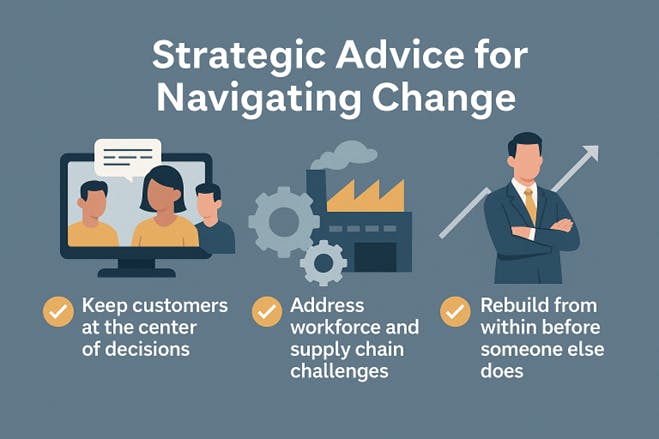
Strategic Advice for Navigating Change
Across all interviews, one theme emerged loud and clear: leadership in today’s utility environment requires adaptability, transparency, and a relentless focus on the customer. Utilities are facing unprecedented levels of change—from workforce dynamics and customer expectations to supply chain disruptions and evolving technologies. Here’s the collective advice from utility leaders navigating this transformation:
Put the customer at the center of every decision. Their expectations are evolving fast—and so must your organization. Affordability, access, and reliability remain top priorities.
Don’t overlook affordability. No matter how innovative or sustainable your strategy, it won’t succeed if customers can’t afford it.
Be proactive in workforce development. Create training partnerships, define new and evolving roles, and launch leadership development programs to retain institutional knowledge and support rising talent.
Conduct a skills inventory. Every employee should know their strengths and growth areas. Skills mapping can help retain talent and guide strategic planning.
Get visible. Show up in local schools, colleges, and communities. Leverage social media and rethink how you market job opportunities - especially to younger, mission-driven talent.
Maintain open, trust-based communication with your team. Cultures that invite honest feedback - from employees and customers—are better positioned to adapt and lead.
Be nimble and flexible. Always have more “work-ready” staff than your current needs demand. Change is constant - staffing and planning should reflect that.
Strengthen vendor relationships and understand your supply chain. Material shortages and logistics bottlenecks can derail even the best-laid plans.
Stay close to field employees. Frontline workers often have the clearest view of what’s happening and what customers really need.
Rethink how your utility is structured. Don’t wait for outside forces to drive change - rebuild from within. Reinventing your model before you’re forced to gives you control of your future.
Balance innovation with realism. Be thoughtful in tech adoption - prioritize fit and long-term value over hype.
Listen deeply to customers, employees, and peers. Empathy, humility, and responsiveness are leadership must-haves.
Embrace industry collaboration. Networking, benchmarking, and open dialogue across utilities are more valuable than ever.
Manage risk intentionally. From financial restructuring to operational trade-offs, strong leaders assess both the risks of action - and the costs of inaction.
Rethinking Priorities: A Bold Approach to Utility Leadership:
Is a year-long research initiative from U2030 and Energy Central. This program provides executives with actionable insights to navigate shifting industry priorities.
Through research reports, virtual discussions, and a panel at the U2030 Annual SPARK Meeting, we are poised to help utility leaders assess, adjust, and realign their focus as the market evolves.
Thanks to our Supporting Sponsor