


As of January 9, 2026, U.S. natural gas prices are being shaped by a complex interplay of weather-driven demand, storage dynamics, production trends, and strong export flows. Recent temperature patterns have been uneven: unusually warm conditions across much of the southern and central United States driven by a persistent high-pressure ridge have tempered U.S. domestic heating demand, while a pronounced cold spell across northern and eastern Europe has reinforced international call on American liquefied natural gas. This kind of divergence formed against the backdrop of generally adequate but tightening storage levels, with U.S. inventories running below last year, and European storage notably depleted for the season and even historically. At the same time, LNG exports from the United States remain robust, supported by firm global demand, even as domestic gas production has edged slightly lower — together creating a finely balanced market sensitive to any further shifts in weather or supply.
Storage Levels and Production, USA: Inventories 123 Bcf Lower than Last Year
According to the EIA, as of January 2, 2026, U.S. working natural gas in underground storage stood at 3,256 Bcf, . This represents a net weekly withdrawal of 119 Bcf compared with 3,375 Bcf in the prior week. Inventories are 123 Bcf lower than last year at this time and stand 31 Bcf above the five-year average, highlighting a storage position that remains slightly above seasonal benchmarks.
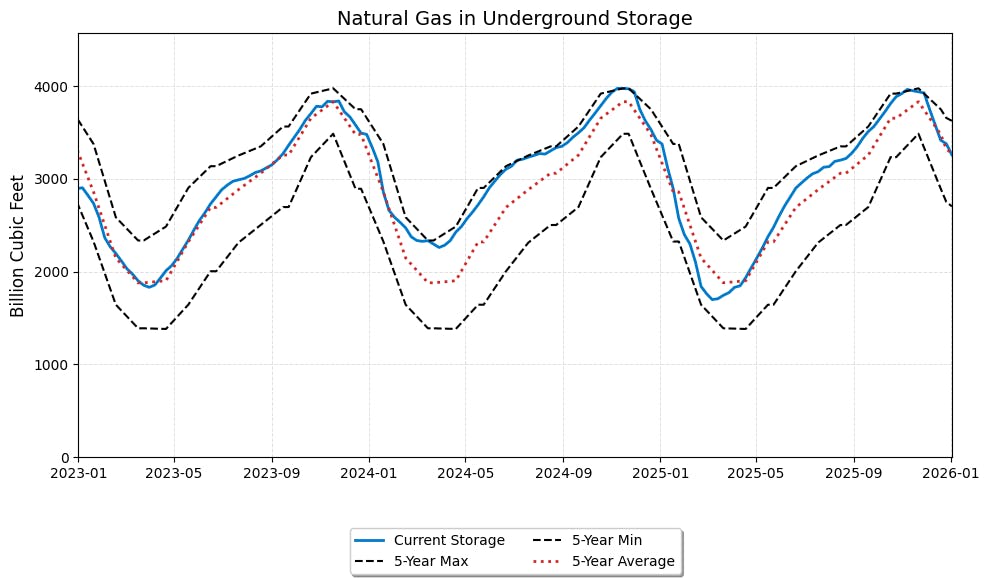
Picture 1 – Natural Gas in Underground Storage
Regionally, the U.S. Midwest (–43 Bcf) and East (–32 Bcf) registered the largest weekly declines. The South Central region recorded a withdrawal of 34 Bcf, reflecting a 21 Bcf draw in salt facilities and a 13 Bcf decline in nonsalt stocks. The Mountain (–5 Bcf) and Pacific (–5 Bcf) regions also posted modest withdrawals over the week. Overall, these moves net to the 119 Bcf withdrawal across the Lower 48, and as shown in the accompanying chart, inventories remain slightly above the five-year seasonal average.
U.S. Weather: Temperatures Well Above Seasonal Norms
Over the past week, weather patterns across the United States were dominated by generally warm conditions across southern and central regions, driven by a persistent high-pressure ridge anchored over the Plains. Large portions of the Southwest, central Plains, and Southeast experienced temperatures well above seasonal norms, with anomalies locally exceeding +5°C and, in some areas, reaching +5–8°C above average. This anomalous warmth extended across much of the nation’s most densely populated corridors, affecting an estimated 240 million people and reinforcing a late-season warm bias across the southern half of the country.
In contrast, northern regions, including parts of the Upper Midwest and northern Plains, trended closer to seasonal norms or slightly below, with limited cold anomalies confined mainly to Alaska and isolated northern areas. The Northwest experienced unsettling conditions, including episodes of rain and high-elevation snow associated with atmospheric river activity, while mixed rain-and-snow events were also observed across portions of the Northern and Central interior. Overall, the prevailing pattern showed heating demand easing toward the end of the period, as widespread warmth across key demand centers increasingly offset earlier-season cold.
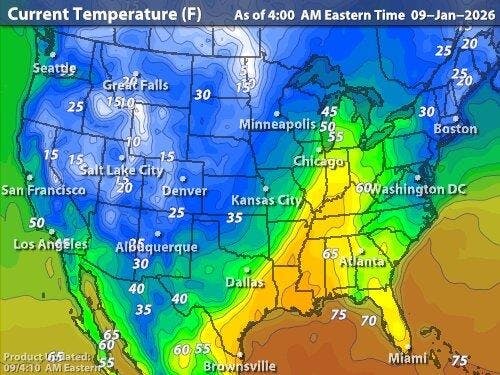
Picture 2 - United States Current Temperatures (F)
Source: https://www.wunderground.com/maps/temperature/us-current
During the period of January 16–22, 2026, the United States is forecast to experience a broadly warmer-than-normal temperature pattern across much of the central and eastern portions of the country. The strongest probability of above-average temperatures extends from the Mississippi Valley through the Ohio Valley and into the Mid-Atlantic and Southeast, as unseasonable warmth expands eastward following a cooler start to the period in the Northeast. Parts of the central Plains and lower Midwest are also expected to trend warmer than normal, reinforcing a mild signal across several major population and demand centers.
In contrast, the western United States, including the West Coast and Southwest, is projected to remain near or slightly below seasonal norms, reflecting the influence of a deeper trough over the region. The northern tier, particularly around the Great Lakes, shows a modest lean toward below-normal temperatures, while Alaska trends near to below average and Hawaii remains warmer than normal. Overall, the outlook points to a clear regional divide, with warmth dominating the Central and Eastern U.S. and cooler conditions persisting in the West. This configuration suggests a mixed demand profile, with heating needs easing across much of the East and South while remaining more elevated in western and northern regions.
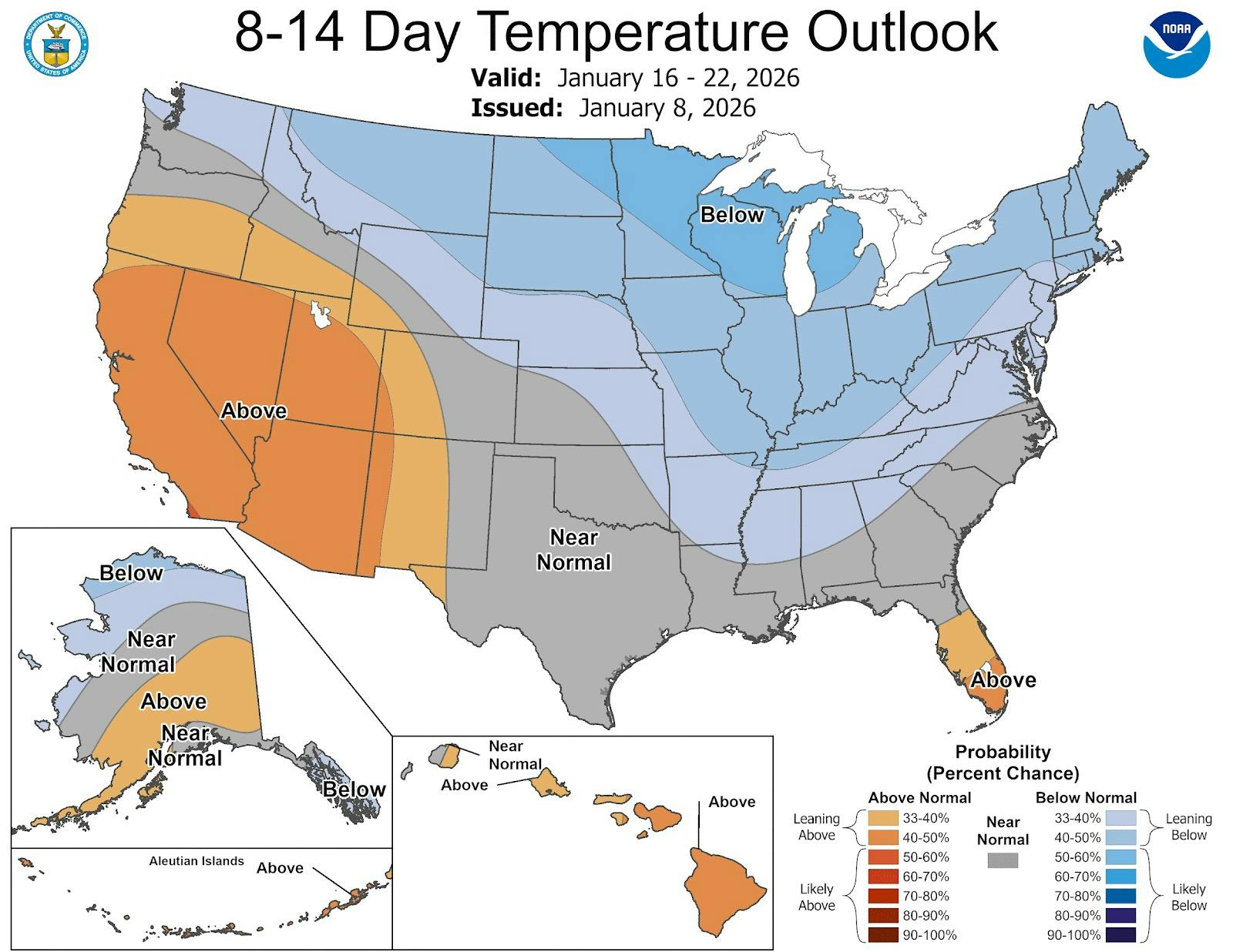
Picture 3 - Temperature outlook (F)
Source: https://www.cpc.ncep.noaa.gov/
During the week of January 1–7, 2026, population-weighted combined cooling and heating degree days (CDD+HDD) across major U.S. demand centers trended lower, overall, signaling a temporary easing in weather-driven demand relative to late December. The national weighted index declined steadily through the first half of the week as milder conditions spread across several large population hubs, before stabilizing near midweek. This pattern pointed to a short-lived moderation in winter intensity rather than a sustained cold phase.
At the state level, New York continued to post the highest degree-day totals, reflecting persistent heating needs in the Northeast despite a clear downward trend through the week. California maintained relatively elevated readings compared with other large states, supported by stable but seasonally mild conditions. Texas and Louisiana recorded moderate and variable totals, remaining well below peak winter levels and indicative of intermittent cooling rather than sustained cold. Florida stayed among the lowest contributors, underscoring limited temperature-driven demand in subtropical regions during this period.
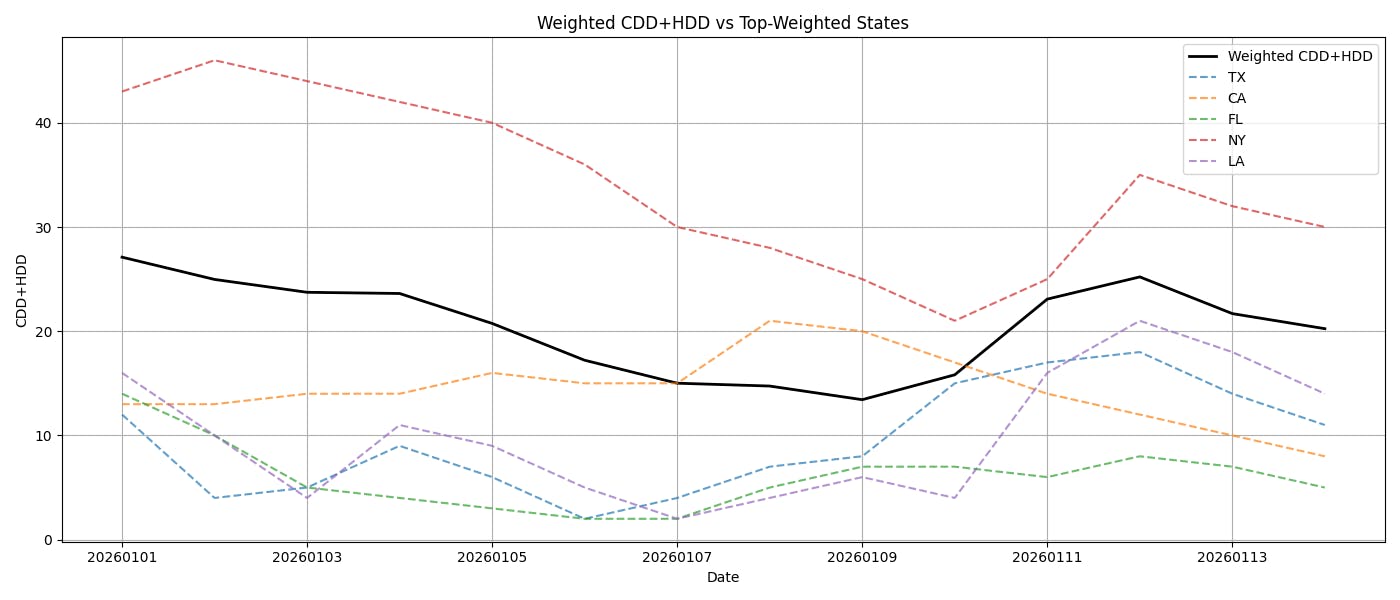
Picture 4 - Weighted CDD+HDD vs Top-Weighted States
Relative to climatological norms, actual population-weighted CDD+HDD tracked consistently below the normal baseline for most of the week. Values moved toward the lower half of the expected range and briefly approached the lower edge of the ±2σ envelope before partially rebounding late in the period. This deviation highlights a stretch of milder-than-normal conditions across key demand centers, with neither cooling nor heating loads fully engaged.
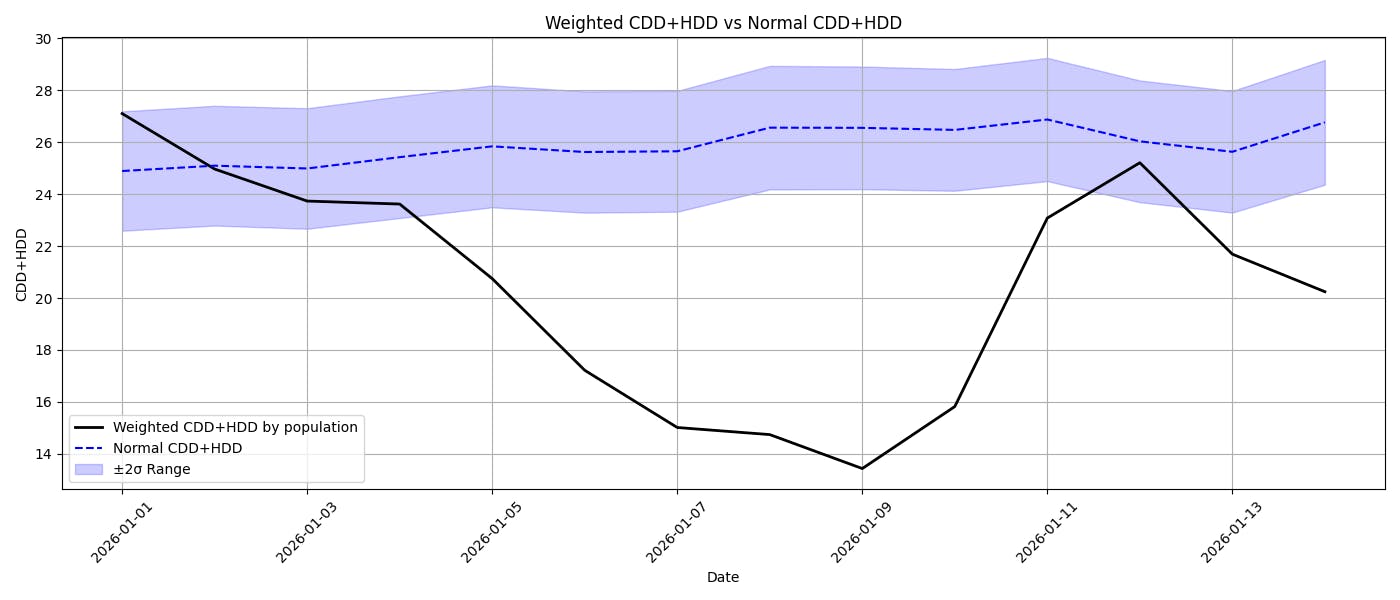
Picture 5 - Weighted CDD+HDD vs Normal CDD+HDD
From a market perspective, the observed pattern implies a temporary softening of weather-sensitive natural gas demand, as reduced heating requirements outweighed minimal cooling needs. While the late-week rebound suggests some re-emergence of heating load, overall conditions remain consistent with subdued demand pressure, allowing storage dynamics and supply-side fundamentals to play a larger role in near-term price formation.
Europe’s Weather Conditions: Persistently Low Average Temperatures
Across Europe, average temperatures during the period from December 28, 2025 to January 3, 2026 reflected a pronounced cooling across northern and eastern regions. Scandinavia, including Norway, Sweden, and Finland, along with the Baltic states, Belarus, and much of Ukraine, experienced persistently low average temperatures, consistent with a sustained Arctic influence extending into continental Europe. Central and Eastern Europe, including Poland, Czechia, Slovakia, and parts of the Balkans, also trended cooler than seasonal norms, reinforcing a broadly wintry regime across the continent’s northern and eastern tier.
In contrast, Western and Southern Europe remained comparatively mild. The Iberian Peninsula, France, Italy, and much of the Mediterranean basin recorded moderate average temperatures, supported by lingering Atlantic influence in the west and maritime moderation in the south. While these regions cooled relative to earlier periods, conditions remained notably warmer than those prevailing across northern and eastern Europe, maintaining a clear west–east and north–south thermal gradient.
Overall, the observed distribution underscores a marked continental contrast, with elevated heating demand concentrated across Northern and Eastern Europe, while milder conditions in Western and Southern regions keep requirements more moderate by comparison.
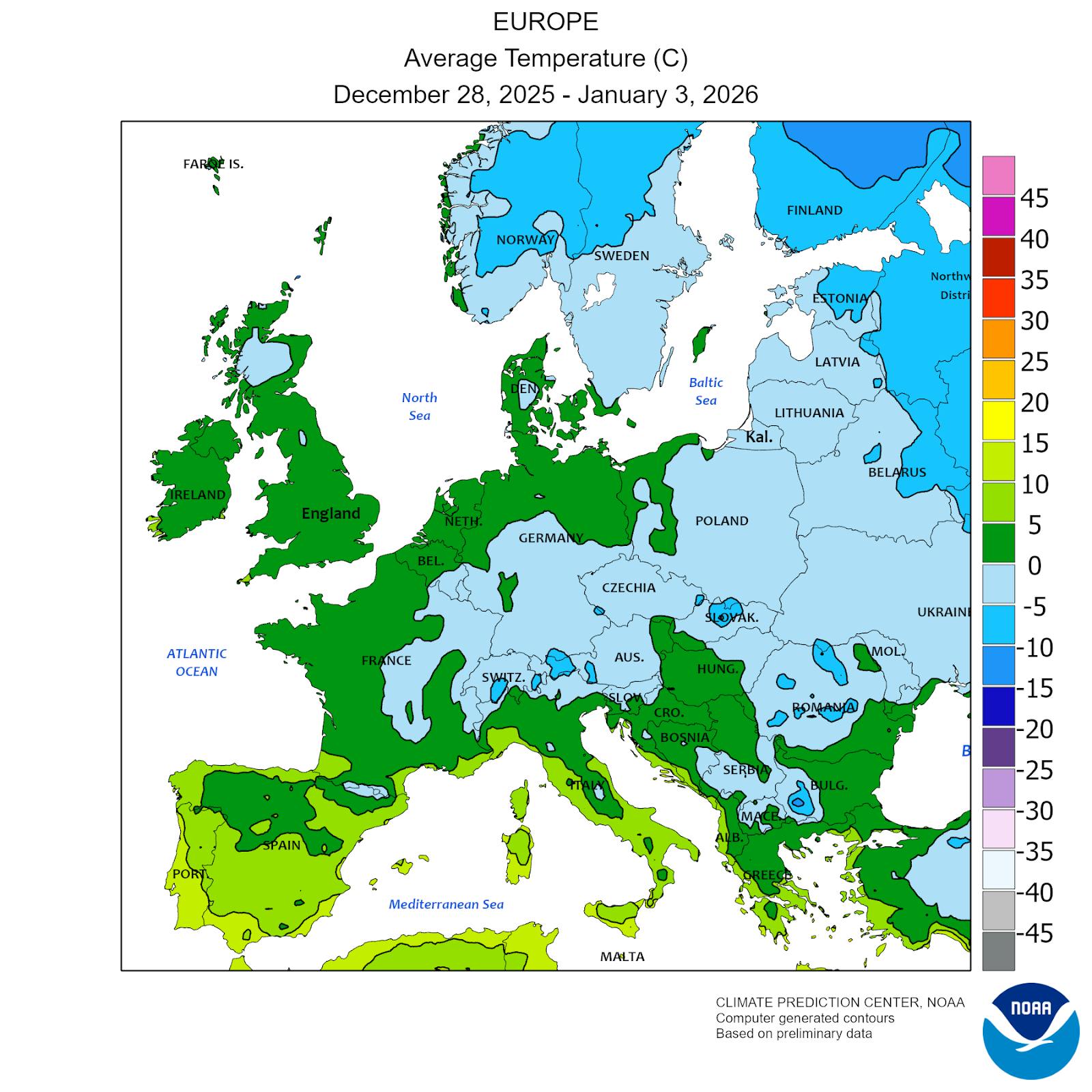
Picture 6 – Europe Average Temperature (°C)
Source:https://www.cpc.ncep.noaa.gov/products/JAWF_Monitoring/Europe/temperature.shtml
U.S. Production and LNG Exports: Firm International Demand for U.S. LNG
U.S. dry natural gas production averaged about 111.1 Bcf/d during the latest reporting week. Output remains elevated heading into January, indicating continued overall supply stability during the early winter period.
According to Baker Hughes, for the week ending Tuesday, December 30, the natural gas rig count decreased by 2 rigs from a week ago to 125 rigs. The Eagle Ford dropped one rig, while one rig across unidentified producing regions was removed. Oil-directed activity increased by 3 rigs to 412, with additions concentrated in unidentified regions. The total U.S. rig count, including 9 miscellaneous rigs, now stands at 546 rigs, which is 43 rigs fewer than at this time last year.
According to shipping data from Bloomberg Finance, L.P., between January 1 and January 7, 38 LNG vessels with a combined LNG-carrying capacity of 143 Bcf departed U.S. export terminals. Departures included eleven cargoes from Sabine Pass; seven from Plaquemines; six from Corpus Christi; five from Freeport; four from Cameron; three from Calcasieu Pass; and one each from Cove Point and Elba Island. The elevated pace of liftings highlights continued firm international demand for U.S. LNG as global buyers secure winter supply.
European Gas Storage Levels: EU UGS Facilities only 57–58% Full as of Early January
As of early January 2026, average European underground gas storage levels stood at roughly 57–58% full, based on the latest EU-wide trend data (Picture 7). This marks a clear step down from the same period in 2025, when inventories were close to 69%, and is well below the exceptionally strong positions seen in 2023 and 2024, when storage exceeded 80% at the turn of the year. Relative to recent history, current levels sit in the lower half of the observed range and are closer to the weaker benchmark of 2022, reflecting heavier early-winter withdrawals. The refill season progressed steadily through summer but peaked earlier and at a lower level than in the past two years, resulting in a faster drawdown as winter demand emerged. Overall, Europe enters the core heating season with adequate but noticeably reduced storage coverage compared with recent winters, leaving less margin for prolonged cold spells.
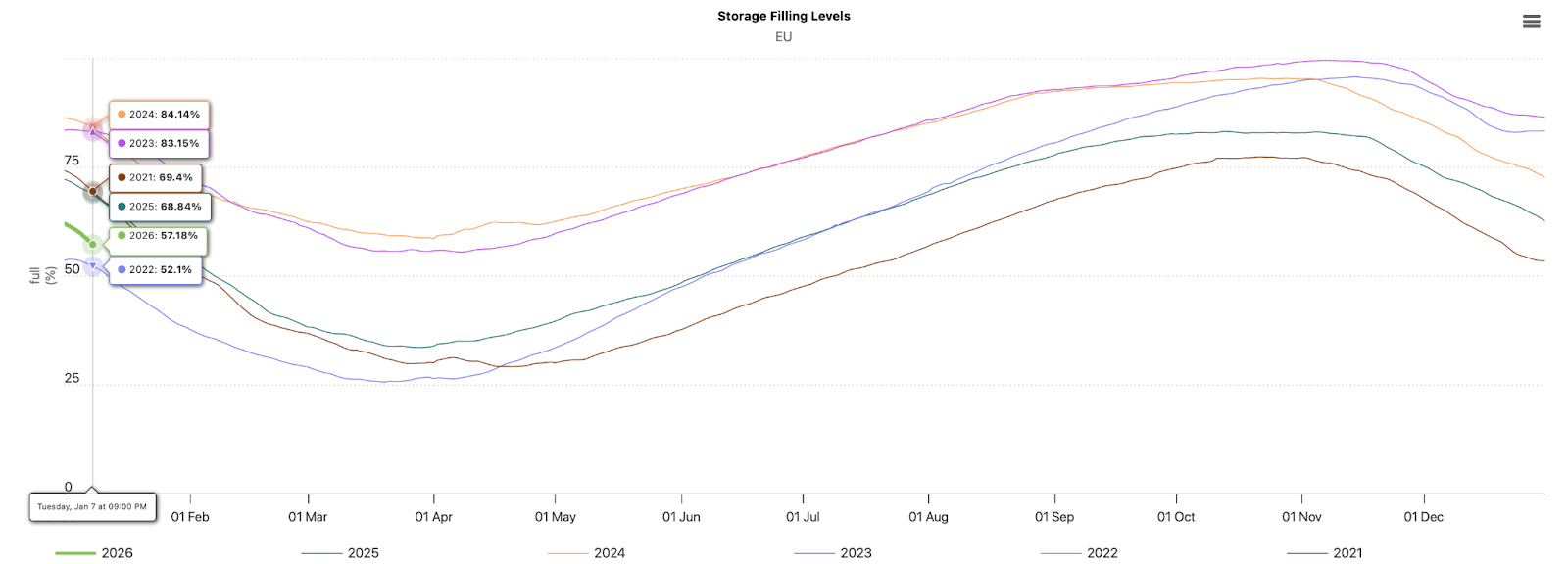
Picture 7 - Storage Filling Levels (EU)
Source: https://agsi.gie.eu/data-visualisation/filling-levels/EU
At the country level, storage levels reveal pronounced regional contrasts across Europe (Picture 8). Western and Southern Europe remain comparatively better supplied, with France and Belgium generally in the 50–60% range and Italy maintaining higher inventories, supported by diversified import routes and LNG access. Central Europe shows a more resilient position, with Germany and Austria around the mid-50s to low-60s percent range and Poland notably higher, close to 70–80%, providing strength along the EU’s core gas corridor. In Northern Europe, Sweden stands out with storage near full capacity, while Denmark holds substantially lower stocks, increasing its sensitivity to winter demand swings. The most significant vulnerability remains in Eastern Europe, particularly Ukraine, where storage is well below 40% and far under the EU average. This uneven distribution underscores that while Europe as a whole retains sufficient supply coverage, parts of Eastern and Northern Europe remain more dependent on cross-border flows and timely imports to manage winter demand.
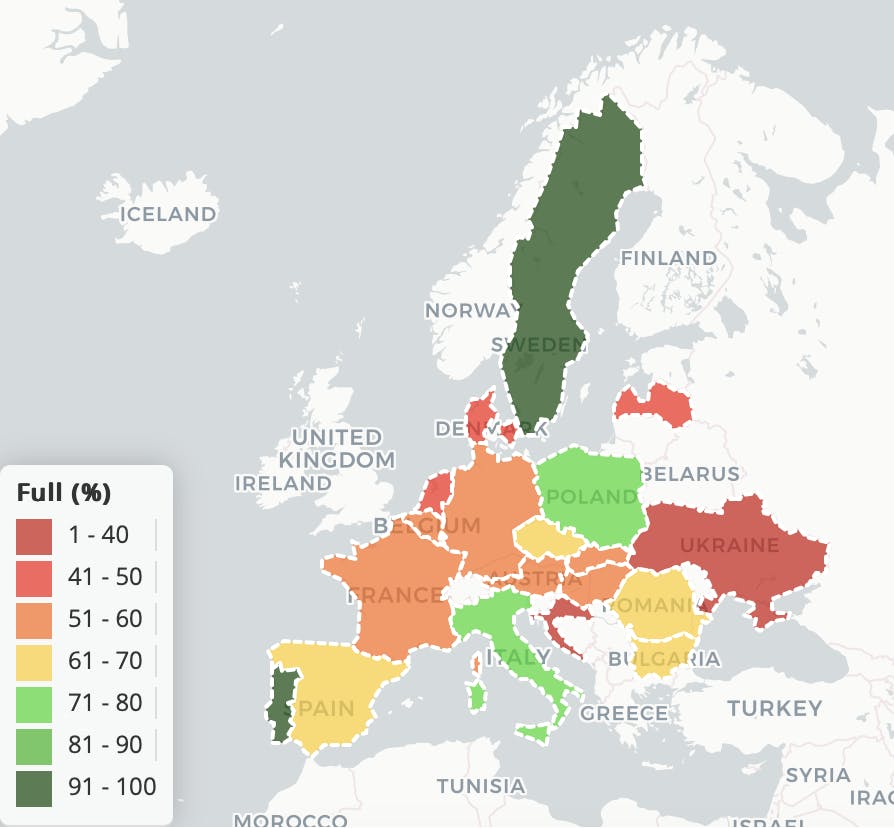
Picture 8 - Filling levels country map (EU)
Source: https://agsi.gie.eu/data-visualisation/filling-levels-country/map
Picture 8 - Filling levels country map (EU)
Source: https://agsi.gie.eu/data-visualisation/filling-levels-country/map
Conclusion
Over the latest report week, U.S. natural gas prices stabilized following the sharp decline observed in late December. NYMEX Henry Hub front-month futures traded around $3.48/MMBtu, finding support from sustained LNG export activity and seasonally elevated storage withdrawals, even as overall inventory levels remain adequate and temperature-driven demand moderated toward seasonal norms later in the period. In Europe, Dutch TTF front-month prices held near €28/MWh (approximately $9.6/MMBtu), reflecting ongoing winter consumption in Northern and Eastern Europe alongside sufficient aggregate storage across the region. Overall, gas markets remain broadly balanced, with weather-driven demand and LNG flows offsetting the cushioning effect of still-comfortable inventories on both sides of the Atlantic.
Looking ahead to the coming week, Henry Hub prices are expected to trade within a $3.20–$3.50/MMBtu range, with short-term direction driven primarily by temperature developments across the eastern United States and any shifts in LNG feedgas demand. Dutch TTF prices are likely to remain in a €26–30/MWh band (roughly $8.8–10.2/MMBtu), as colder risks in Northern and Eastern Europe compete with the stabilizing influence of remaining storage and ongoing LNG arrivals. Near-term pricing on both sides of the Atlantic will continue to hinge on the balance between weather-driven demand variability and the availability of stored and seaborne supply. Net-net, bearish influences from still-comfortable inventories and intermittent mild weather are increasingly offset by supportive LNG exports and seasonal heating needs, pointing to a more balanced and range-bound price environment in the near term.