


There is an old parlor/party game called “The Telephone Game”.
In a game of Telephone, players form a line or circle, and the first player comes up with a message and whispers it to the ear of the second person in the line. The second player repeats the message to the third player, and so on. When the last player is reached, they announce the message they just heard, to the entire group. The first person then compares the original message with the final version. Although the objective is to pass around the message without it becoming garbled along the way, part of the enjoyment is that, regardless, this usually ends up happening. Errors typically accumulate in the retellings, so the statement announced by the last player differs significantly from that of the first player, usually with amusing or humorous effect. Reasons for changes include anxiousness or impatience, erroneous corrections, or the difficult-to-understand mechanism of whispering. (Source: Wikipedia)
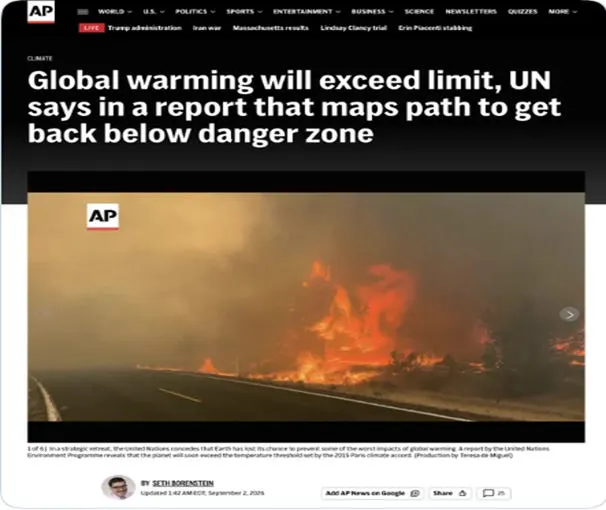
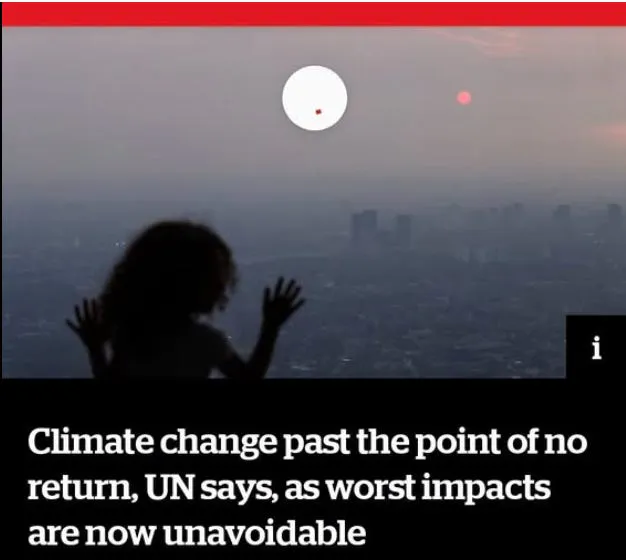
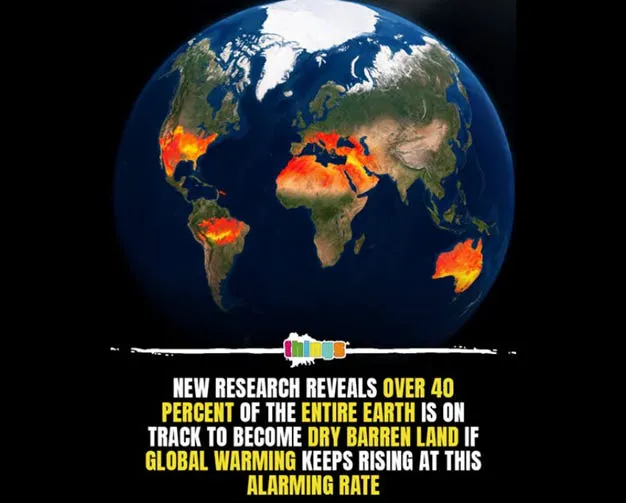
The Climate Crisis Game is played very differently. The initial message is conveyed publicly, as exemplified in the image below.
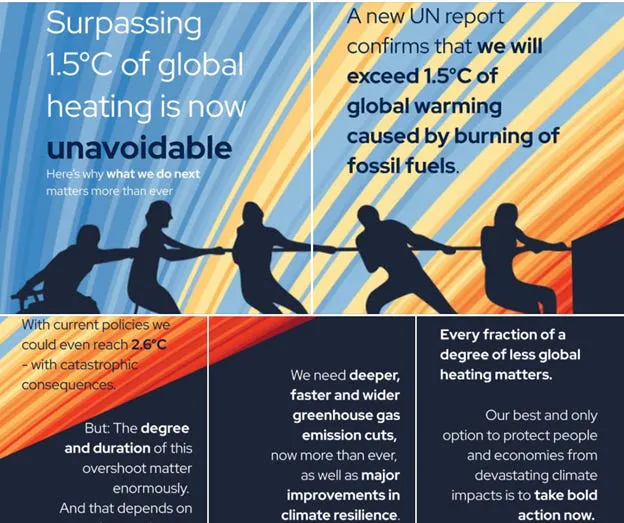
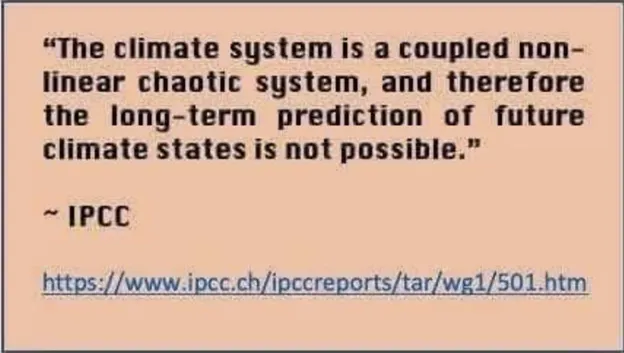
That message reports a UN conclusion based on an uncertain future, untempered by the IPCC caution in its Third Assessment Report (TAR) shown below.
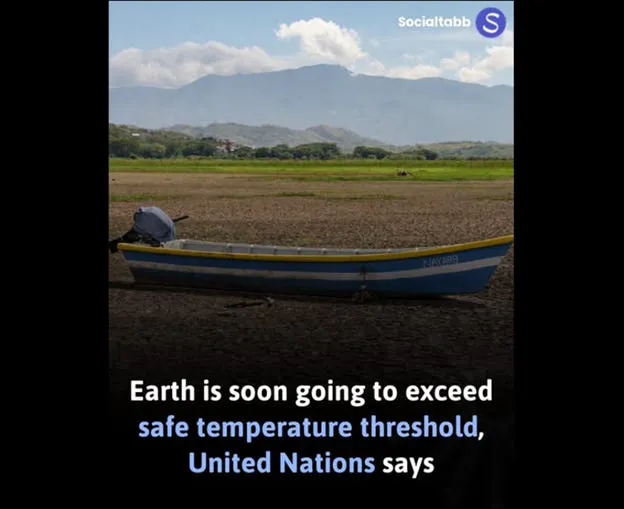
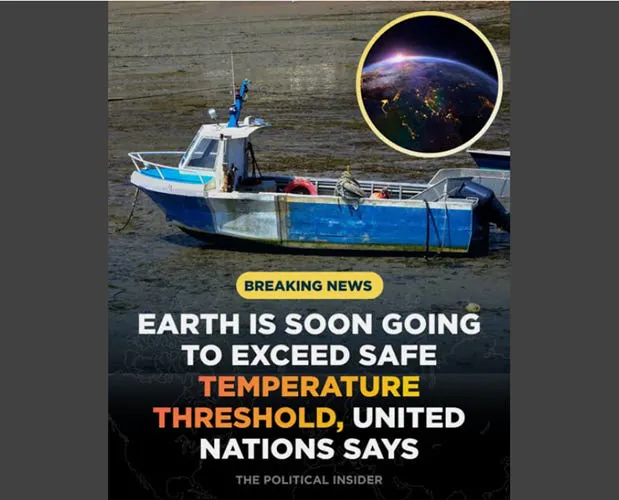
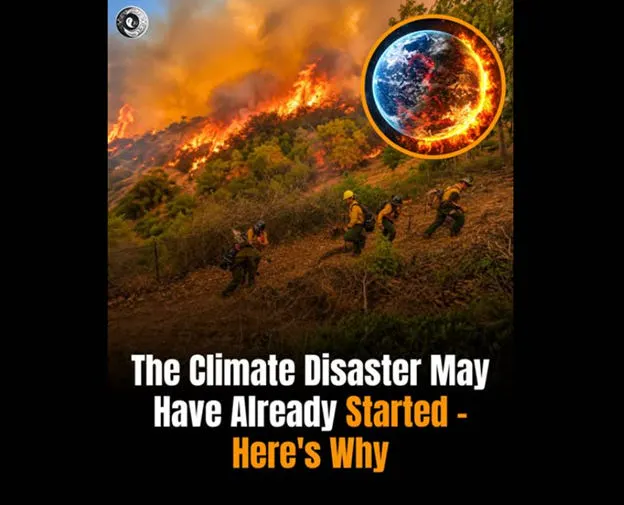
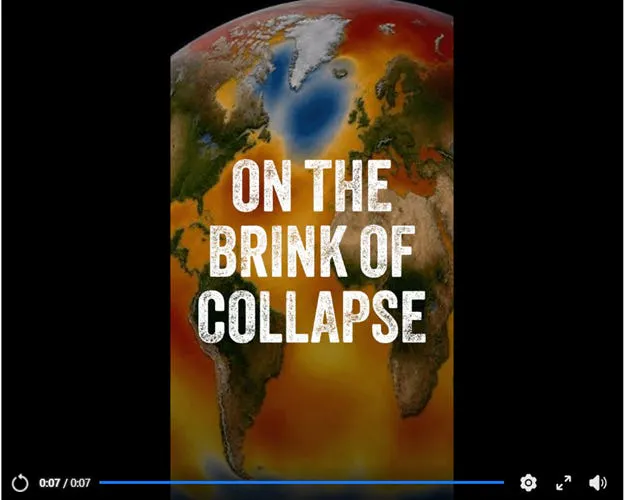
As the “game” proceeds, the assertions become progressively more dire until they approach apocalyptical, as shown in the images below, published on Facebook during a two-week period in mid-September.
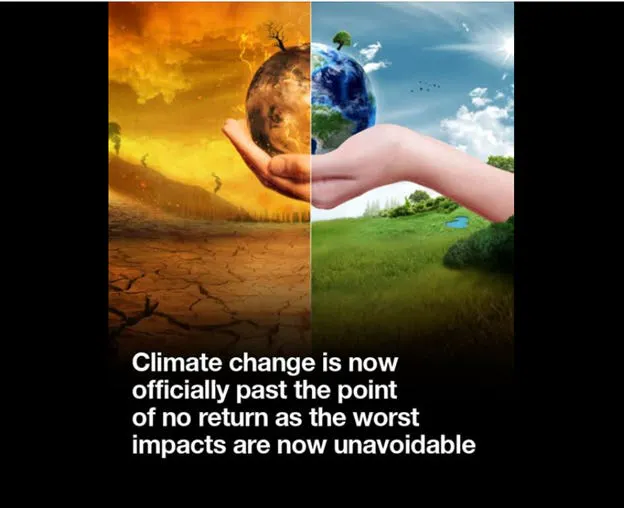
Ethereal Earth
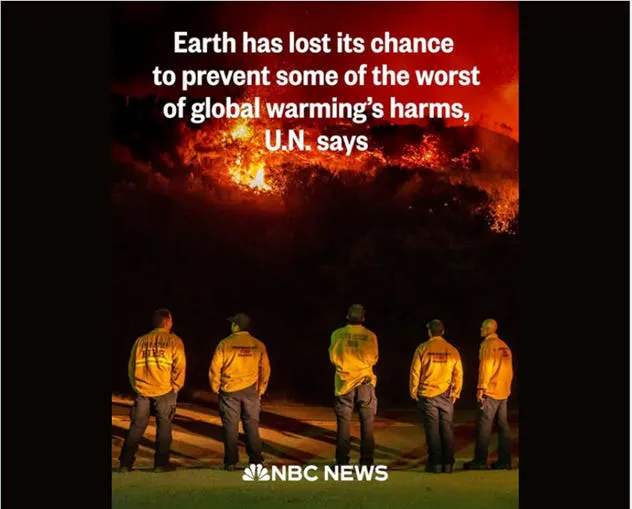
Orbital Insights
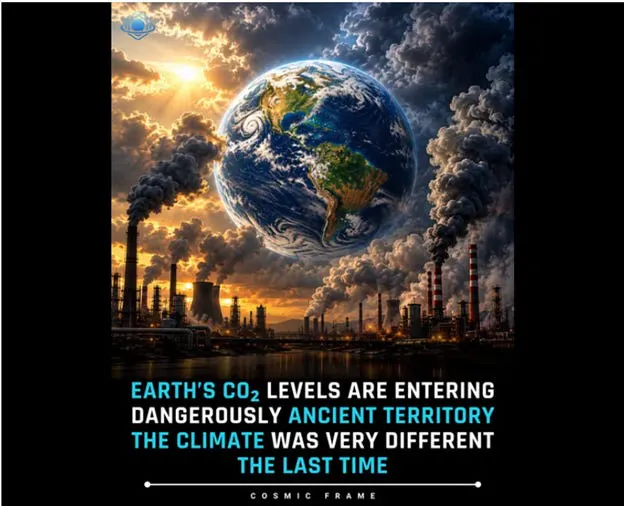
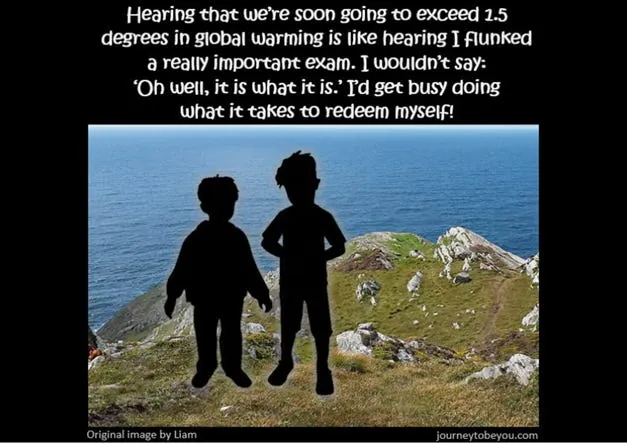
The 1.5° “safe threshold” was first established at COP 15 in Paris. It is not based on physical science, but rather on political science. It formed the aspirational basis for “Net Zero by 2050”, currently being pursued by numerous governments of developed nations and largely ignored by the government of developing nations.
The 1.5°C climate threshold refers to a long‑term global average surface temperature increase of 1.5°C above the pre‑industrial period (generally defined as 1850-1900, the earliest period with consistent, high‑quality temperature records). It is not a single‑year or monthly target; the Paris Agreement’s goal is for the decadal average to remain well below 2°C and “pursue efforts” to limit it to 1.5°C.

Climate.gov
There is no scientific evidence that exceeding 1.5°C or 2°C is unsafe, or that it constitutes a dangerous “tipping point”.
Current research suggests that an increase of 2°C would likely not occur before 2100, if at all. Projections of more rapid increases were based on Resource Consumption Pathways (RCPs) which have recently been determined to be implausible, climate models which clearly run too hot and insupportably high estimates of climate sensitivity to increased atmospheric CO2 concentrations.
Originally published here.