


As the lighting industry continues to evolve, Direct Current (DC) lighting is emerging as a practical and cost-effective solution—especially in facilities seeking to integrate renewable energy and energy storage. One of the most compelling advantages of DC lighting is its ability to optimize control and reduce operating costs through intelligent power load sharing across multiple DC energy sources.
Optimizing Control Through a DC Lighting Grid
Traditional AC lighting systems rely on multiple conversions—solar panels generate DC power, which is converted to AC for distribution, then converted back to DC inside LED drivers. Each conversion introduces energy losses, heat, and added equipment costs. A DC lighting grid eliminates unnecessary conversions, allowing power to flow directly from DC sources—such as solar arrays and batteries—to DC luminaires.
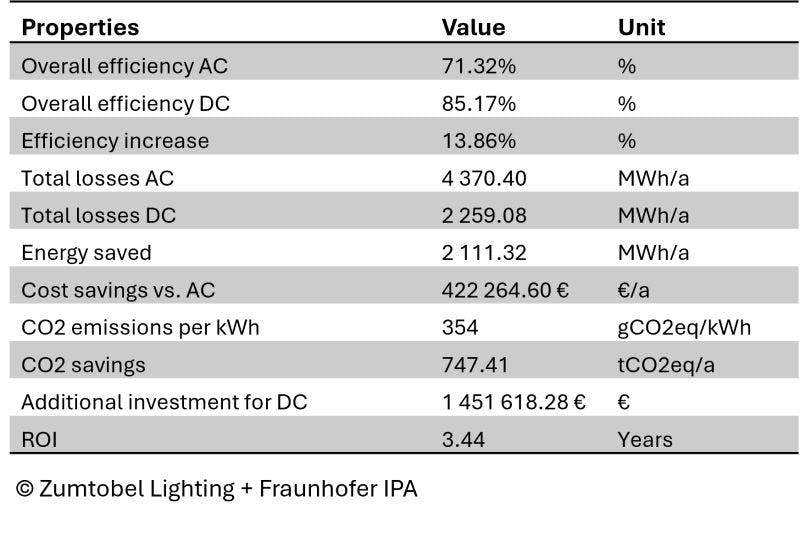
This architecture enables centralized, fine-grained control over how energy is produced, stored, and consumed. Facility managers can dynamically allocate power based on availability, demand, and cost, ensuring that lighting loads are always supplied by the most efficient source at any given moment.
Intelligent Load Sharing = Lower Costs
When paired with solar generation and battery storage, DC lighting systems empower intelligent power load sharing:
Daytime operation: Solar panels directly power DC lighting while simultaneously charging batteries.
Peak utility hours: Stored battery energy supplies lighting loads, reducing or eliminating expensive peak-demand utility power.
Low-generation periods: The system seamlessly supplements with grid power only when necessary.
By prioritizing renewable and stored energy first, facilities can significantly reduce utility bills, peak demand charges, and overall energy consumption.
Practical Example: Commercial Warehouse
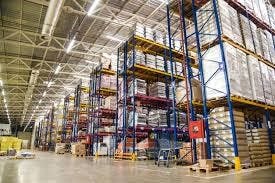
Consider a distribution warehouse with rooftop solar and battery storage. In a DC lighting system:
During daylight hours, solar power feeds the lighting grid directly with minimal losses.
When clouds reduce solar output, batteries automatically share the load.
At night, lighting runs primarily on stored energy, drawing from the grid only if needed.
The result is lower energy costs, predictable operating expenses, and improved return on investment for both solar and lighting infrastructure.
Practical Example: Resilient Infrastructure
In critical facilities such as data centers, transit hubs, or military installations, DC lighting enhances operational resilience. Because lighting is already native to DC, battery backup can power essential illumination instantly during grid outages—without inverters or transfer delays—while still maintaining optimal energy efficiency under normal conditions.
A Smarter Path Forward
By combining DC lighting with solar and battery storage, organizations gain greater control over energy flow, reduced system complexity, and long-term cost savings. Optimized load sharing ensures every watt generated is used efficiently, making DC lighting not just a technological improvement—but a strategic investment in smarter, more sustainable energy management.