


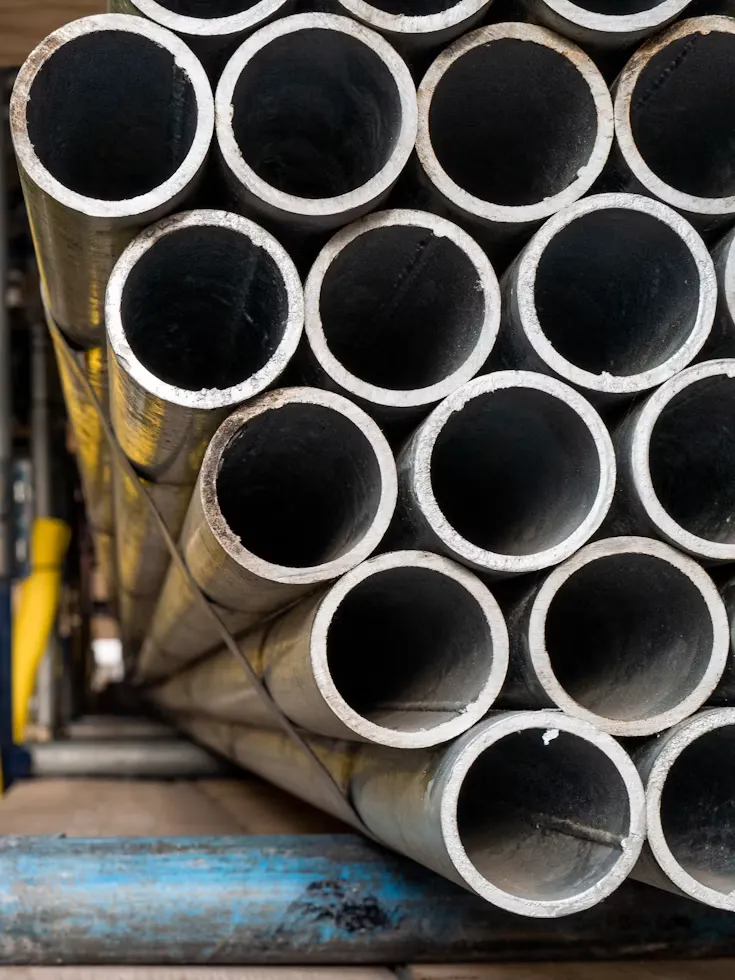
Excess oil country tubular goods (OCTG) inventory represents a significant capital allocation challenge for energy operators. Materials that sit idle in storage yards drain financial resources while operational budgets tighten and market conditions shift. Converting these dormant assets into liquid capital requires a strategic approach that combines market intelligence, rigorous quality verification and access to digital trading platforms that connect supply with urgent demand.
The Financial Impact of Idle Tubular Goods
Maintaining excess investment materials and maintenance, repair and operations inventory imposes a severe financial and operational burden on energy operators. According to Pipesales, a global online marketplace for buying and selling OCTG pipes, "Holding onto surplus inventory is often a drain on resources, taking up costly storage space that could be put to better use." Tied-up capital restricts flexibility and increases overhead costs through ongoing storage, inventory management and depreciation.
Beyond direct costs, dormant pipe inventory introduces inefficiency across multiple functions. Warehouse and yard capacity remains occupied while procurement teams manage materials with no deployment schedule, and insurance costs accumulate without corresponding revenue. In one documented transformation program, a global oil company reduced excess inventory and saved nearly $800 million, demonstrating the massive financial burden it imposes on enterprise operations.
The opportunity cost becomes particularly acute when operators could redeploy those funds toward active projects, equipment upgrades or exploration initiatives that generate measurable returns. Reallocating stranded capital transforms idle stock into productive investments that drive efficiency and competitive positioning.
Navigating the Market With Supply Chain Intelligence
Transitioning from idle asset holding to effective OCTG asset recovery requires operators to leverage comprehensive market intelligence. Operators need to understand the precise commercial value of tubular materials by analyzing global supply dynamics, regional demand patterns and the temporal sensitivity of buyer requirements. Timing matters in the energy sector. Materials that fulfill urgent needs command different pricing than those sourced through standard procurement channels, and market specialists structure transactions with this reality in mind.
A credible online tubular goods consignment strategy begins with detailed inventory documentation, including:
Grade specifications
Dimensional data
Weight
Connection type
Quantity
Geographic location
Age
Condition assessment
Complete traceability records
Data precision directly affects pricing certainty, while incomplete documentation depresses recovery rates.
According to digital trading platform PipeSearch™, "If you're looking to maximize your capital recovery, it's essential to work with specialists who understand how to sell idle tubular goods." These professionals utilize supply and demand intelligence platforms that identify buyers with immediate requirements while providing sellers with realistic expectations grounded in current conditions. The most effective recovery strategies align asset characteristics with buyer specifications, reducing time-to-transaction and optimizing returns on dormant stock.
Ensuring Quality and Compliance in Surplus Sales
Market intelligence alone cannot overcome quality concerns. The surplus OCTG marketplace historically operated with limited standardization, creating challenges around material reliability and documentation integrity. Independent inspections and comprehensive data verification have become essential for establishing commercial credibility and protecting asset value in secondary transactions.
As such, material verification confirms product identity, assesses condition, validates traceability and ensures conformity with technical specifications. Industry demand for tamper-proof digital tracking to combat material fraud continues to grow as operators seek certainty of provenance throughout the supply chain. According to the OCTG-focused sourcing and quote platform, RigPal, "Surplus OCTG carries no regulatory oversight, so on used and surplus buys the documentation and an independent inspection matter."
Comprehensive protocols examine material condition, verify mill test report accuracy, confirm dimensional specifications and assess degradation or damage that affects commercial utility. Multipoint data evaluation creates quality standards where historical precedent offered minimal buyer protection. These processes build confidence for both parties and support more efficient price discovery in previously opaque markets. Standardized evaluation criteria reduce friction and accelerate recovery timelines.
The Role of Digital Marketplaces in Circularity
Quality verification enables transactions, but digital platforms create the connections. Offloading excess inventory through these platforms contributes meaningfully to the broader circular economy in the oil and gas sector by providing surplus stock with efficient routes back into productive use rather than allowing it to remain stranded in long-term storage or being directed prematurely toward scrap recovery.
Asset reuse builds long-term resilience and supports industry sustainability objectives. Increasing the circularity of tubular products enables the energy sector to maintain necessary production capacity while reducing demand for newly manufactured goods and the associated natural resource extraction. Platforms accelerate this flow by connecting geographically dispersed inventories with buyers who might otherwise source new stock due to limited visibility into available surplus.
Additionally, the efficiency gains extend beyond individual transactions. Operators who successfully recover funds from excess inventory can redeploy them toward operational priorities while buyers access quality-verified stock at value-oriented pricing. Both parties receive value with a more rational allocation across the sector.
Frequently Asked Questions
Here are some common questions.
Why is trade compliance important when selling surplus inventory?
Trade compliance ensures that cross-border transactions involving tubular goods meet all applicable export control regulations, sanctions requirements and customs documentation standards. Noncompliance can result in significant financial penalties, shipment delays and reputational damage. Operators working with experienced professionals benefit from compliance frameworks that navigate complex international trade regulations while maintaining transaction velocity.
How do operators determine realistic pricing for idle materials?
Realistic pricing depends on comprehensive market intelligence that accounts for material specifications, current supply-demand dynamics, geographic considerations and temporal factors. Detailed inventory records combined with real-time data allow professionals to establish pricing ranges that reflect actual transaction values.
What documentation should accompany surplus OCTG transactions?
Complete transactions require mill test reports, material certifications, traceability records, condition assessment reports and independent evaluation results. Quality verification data establishes commercial confidence and supports internal procurement and compliance requirements.
Securing Better Returns on Energy Investments
The financial impact of excess inventory extends beyond direct costs to encompass inefficiencies and opportunity costs that constrain strategic flexibility. Successful recovery combines detailed documentation with professional knowledge of market dynamics and buyer requirements, as digital platforms create connections between surplus holders and buyers seeking quality-verified stock. Energy operators who implement these integrated strategies can transform dormant assets into productive capital that supports operational priorities and long-term resilience.