


In electric power substations, lighting isn’t just about visibility, it’s about operational reliability, safety, and resilience. During outages or emergency conditions, when AC power may be compromised, lighting must continue to perform. That’s where DC-powered LED lighting systems provide a powerful advantage.
As utilities continue modernizing their infrastructure, integrating DC LED lighting directly into substation battery systems is becoming a practical and reliable design strategy.
Why DC Lighting Matters in Substations
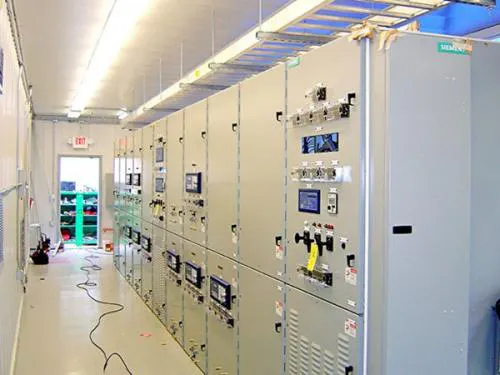
Substations already rely on DC battery systems to support critical functions such as protective relays, control circuits, and breaker operations. By designing lighting that operates directly from the station DC bus, utilities gain several key benefits:
Resiliency During Power Loss
DC lighting remains operational even when AC auxiliary power fails, ensuring technicians have visibility during switching operations or emergency response.
Reduced Conversion Points
Traditional AC lighting requires inverters or power supplies when connected to DC backup. Native DC LED fixtures eliminate unnecessary conversion stages, reducing failure points.
Simplified System Architecture
Fewer components mean fewer maintenance requirements and improved long-term reliability.
Engineering Considerations for DC LED Lighting
Implementing DC lighting in substations requires thoughtful engineering to ensure compatibility with existing station power systems.
Voltage Compatibility
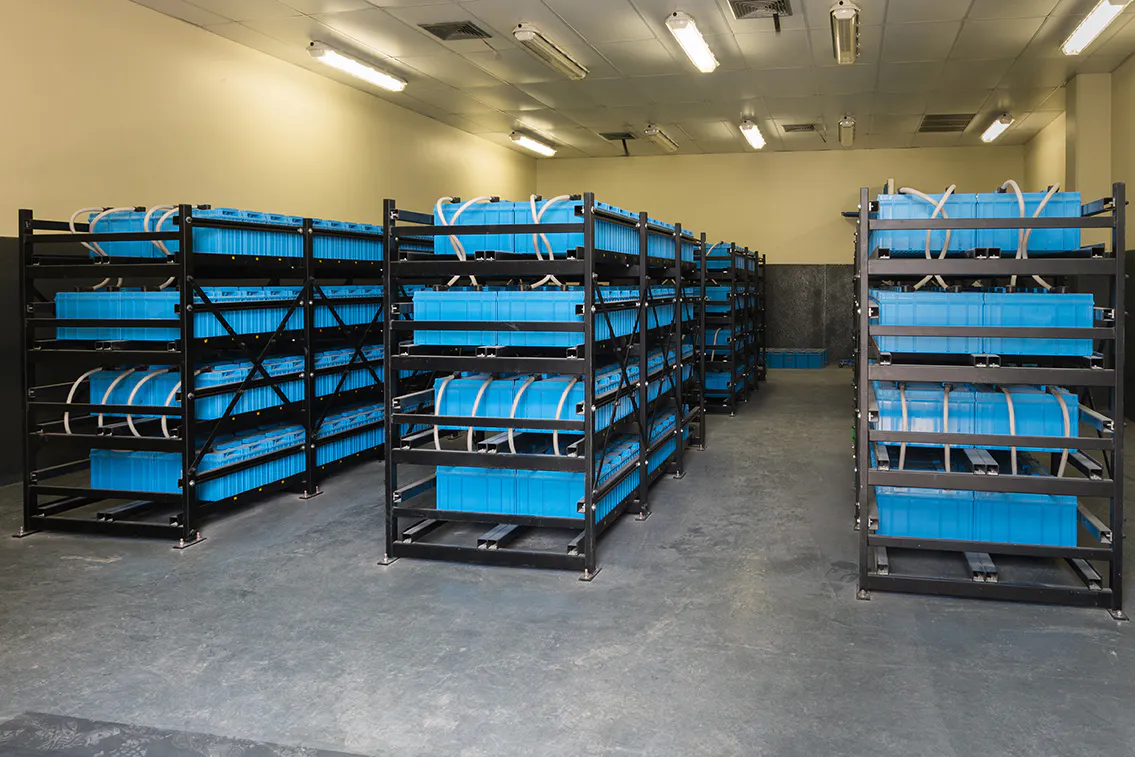
Most substations operate on 48V, 125V, or 250V DC battery systems. Lighting fixtures must be designed to operate within these ranges and tolerate battery float and equalize voltages.
Wide Input Voltage Tolerance
Battery systems can vary significantly during charge cycles. Quality DC LED drivers should support a wide operating range—for example, 90–140V for nominal 125V systems.
Surge and Transient Protection
Substation environments are electrically harsh. Lighting systems should be designed with robust protection against switching transients and electromagnetic interference.
Thermal Management
Outdoor switchyards often experience extreme temperatures. LED fixtures must maintain performance in high heat, cold weather, and direct sunlight exposure.
Operational Benefits for Utilities
Beyond reliability, DC LED lighting offers practical benefits for substation operations.
Improved Safety for Field Crews
Reliable illumination during nighttime maintenance or emergency restoration improves worker safety.
Lower Energy Consumption
LED technology significantly reduces energy usage compared to legacy lighting systems.
Reduced Maintenance
LED fixtures often provide 50,000–100,000-hour lifespans, minimizing lamp replacement in hard-to-access substation structures.
The Future of Substation Lighting
As utilities continue focusing on grid resilience and operational reliability, DC-powered infrastructure will play an increasingly important role. Integrating DC LED lighting into substation design aligns with broader industry trends toward simplified, resilient systems that perform under the most demanding conditions.
Reliable lighting may seem like a small component of substation design—but when outages occur and crews need to operate safely and quickly, dependable illumination becomes mission critical.