


Facility managers today face a growing list of responsibilities—energy efficiency, operational reliability, safety, and cost control. As buildings and critical infrastructure become more sophisticated, the systems supporting them must also evolve.
One technology gaining attention across industrial, utility, and mission-critical environments is DC-powered LED lighting. By operating directly from DC power sources such as battery systems or DC microgrids, these lighting systems offer practical advantages that align well with the priorities of modern facility management.
Improved Reliability During Power Interruptions
Many facilities rely on DC battery systems to support essential equipment, emergency systems, or backup power infrastructure.
When lighting operates directly from DC power:
· Lights stay on during outages without relying on inverters or separate emergency battery packs.
· Fewer conversion components mean fewer potential failure points.
· Maintenance teams maintain visibility during critical events and emergency response.

For facility managers responsible for safety and uptime, reliable lighting is a key part of operational continuity.
Simplified Maintenance and Longer Lifespan
Traditional emergency lighting systems often require individual battery packs inside fixtures, which must be inspected, tested, and replaced over time.
DC LED lighting simplifies this process by leveraging centralized DC power systems already maintained for other critical equipment.
Benefits include:
· Fewer batteries to maintain
· Reduced inspection and replacement cycles
· Long LED lifespans, often exceeding 50,000 hours
The result is lower maintenance overhead and improved reliability.
Energy Efficiency and Operational Cost Savings
Energy performance remains a top priority for facilities aiming to reduce operating costs and meet sustainability goals.
DC LED lighting can improve efficiency by:
· Eliminating AC-to-DC conversion losses
· Reducing energy consumption compared to legacy lighting systems
· Supporting integration with renewable energy and DC microgrids
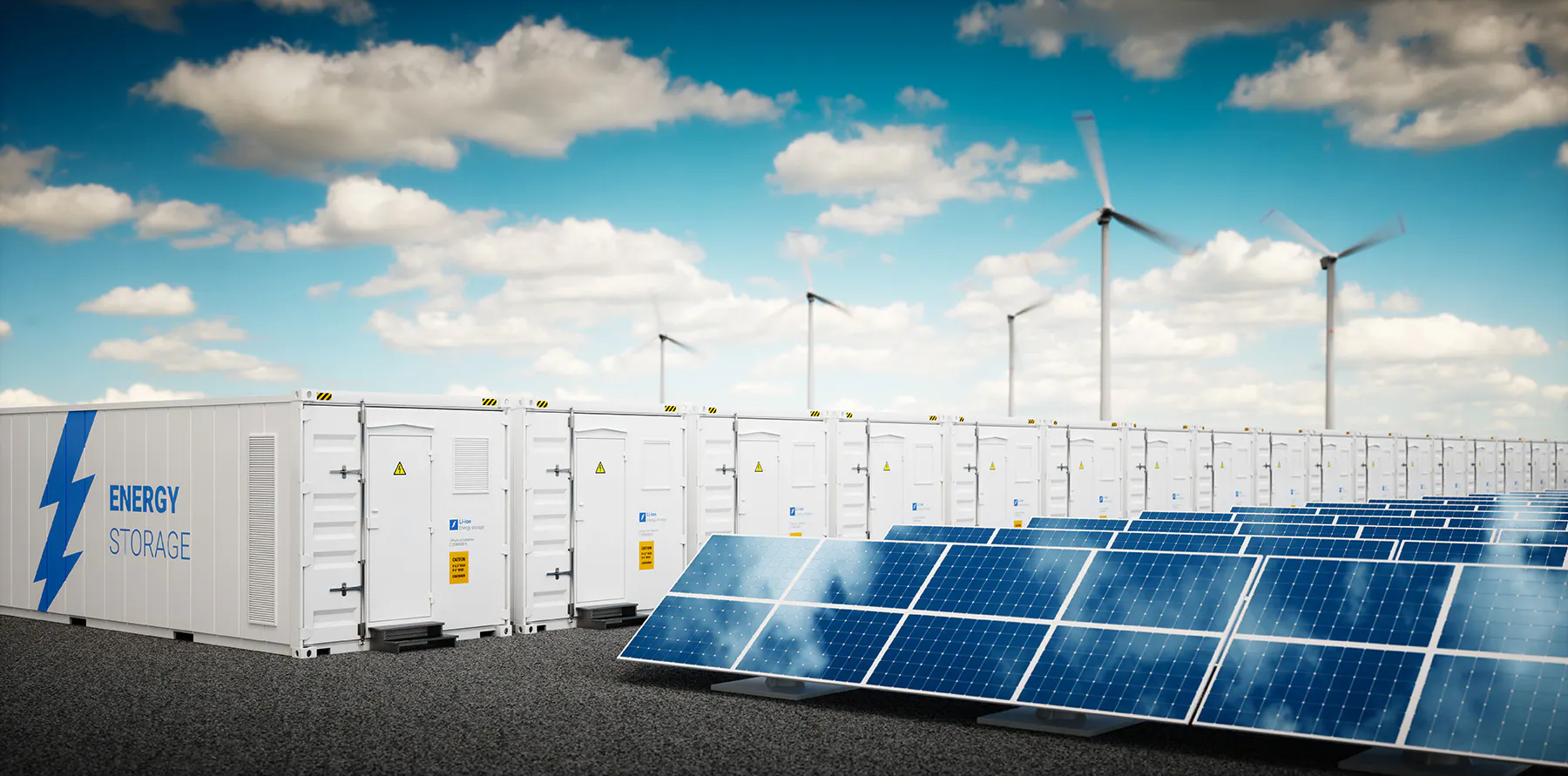
For facilities exploring solar integration or battery storage, DC lighting can be a natural fit within the overall energy architecture.
Future-Ready Infrastructure Strategy
Modern facilities increasingly incorporate smart building systems, energy storage, renewable generation, and resilient power architectures.
DC lighting aligns well with these trends by supporting:
· Data centers and mission-critical facilities
· Industrial and manufacturing environments
· Utilities and energy infrastructure
· Transportation and public infrastructure
Enhanced Safety
Low-voltage DC systems—often operating at 24, or 48 volts—significantly reduce the risk of electric shock compared to conventional Alternating Current (AC) systems that run at much higher voltages. One of the primary safety benefits of DC lighting lies in its low-voltage operation. Low-voltage DC systems reduce electrical hazards, aligning with NEC safety standards while simplifying maintenance and retrofit work in sensitive zones.
With DC-powered lighting tied into control power, illumination is maintained even during an AC outage—keeping personnel safe during maintenance or fault conditions.
For facility managers, adopting DC-powered lighting can be a practical step toward improving reliability, efficiency, and long-term operational resilience.
Sometimes the smartest upgrade isn’t the most complex, it’s simply powering lighting directly from the systems designed to keep critical operations running.