


Trends in Climate & Legal Action
June 6, 2025
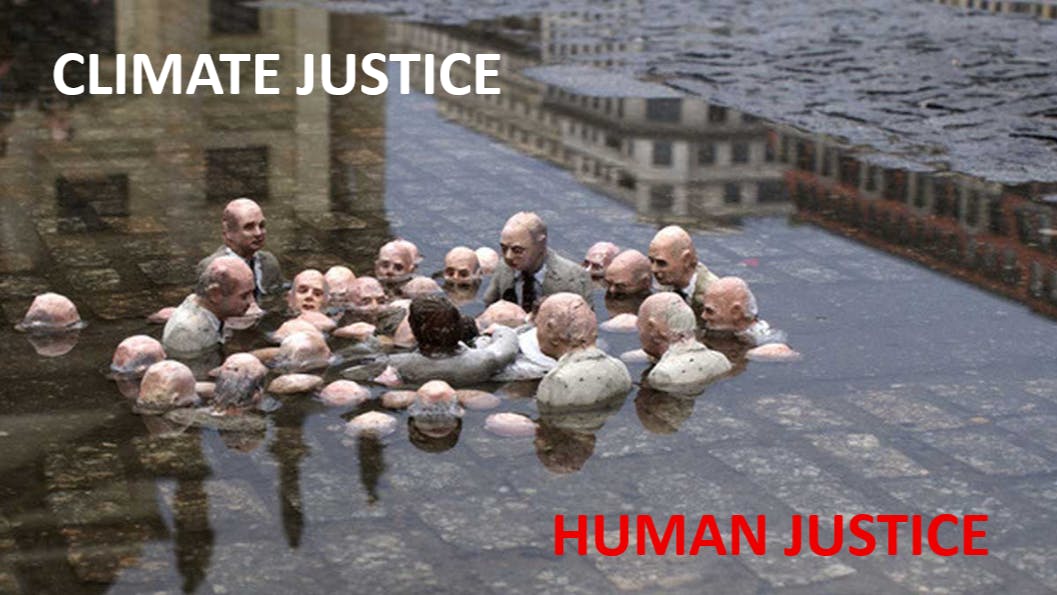
Climate change is not only a scientific or political issue, it has become an important - perhaps the most important - legal issue. With rising damages and increasing numbers of disasters worldwide, the economic effects and legal consequences of the climate crisis are accelerating. We now need our legal systems to force us down the right path – against legacy energies and towards restoration and survival.
Article content
Introduction
As of March 2025, 18 national governments and the EU have declared a climate emergency, with climate emergencies now declared in some 2,366 jurisdictions and local governments. See also the Cedamia world map and the full CED data sheet.
As climate impacts grow more severe and widespread, legal systems around the world are responding with unprecedented urgency and innovation. The last year has seen a significant shift in how the law approaches environmental harm, climate justice and ecological protection.
Article content
1. Ecocide Laws: Criminalising Environmental Destruction
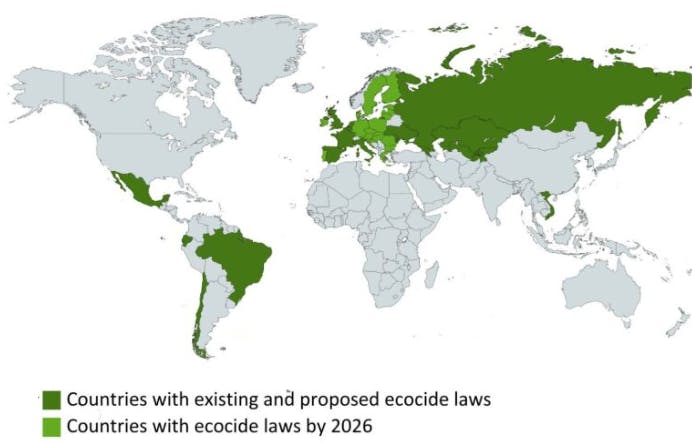
The global movement to criminalise ecocide (deliberate severe and widespread environmental damage) is gaining greater traction. The movement seeks to make large-scale and systematic environmental destruction, such as deforestation and the destruction of biodiversity, an international crimes.
NGOs are working to have ecocide recognised as a fifth international crime which can be prosecuted before the ICC (International Criminal Court). In February 2024, the Office of the Prosecutor of the ICC launched a public consultation to further develop the ICC’s jurisdiction concerning environmental crimes under the Rome Statute. The Stop Ecocide Foundation, along with several states, is working toward amending the Rome Statute to include ecocide as a crime against humanity. The ICC can prosecute crimes in the 125 countries that are parties to the ICC, although importantly, it has no jurisdiction for crimes in the US, China, India and Russia. However, the heads of multi-national corporations could be tried for perpetrating ecocide in places that are party to the Court. Precedent has already been set in prosecuting crimes of genocide.
The EU has become the first international body to effectively integrate the concept of ecocide in its new directive on the protection of the environment through criminal law,, adopted in March 2024. The Directive sets out minimum standards and (increased) penalties for a list of environmental offences. Although not described as ‘ecocide’, the offences can constitute a ‘qualified offence’ when they are committed intentionally and cause destruction or widespread and substantial damage which is long-lasting to ecosystems, habitats or the quality of air, soil or water.
“Ecocide is the missing piece in the international criminal justice system. By recognizing it as a crime, we not only protect the environment but also ensure that the most egregious acts of environmental harm are addressed at the highest level.”
"The momentum is really gathering around the world - recent months have seen ecocide bills at various stages of proposal in the EU, Brazil, the Netherlands, Scotland, Spain (Catalunya) and Belgium (where the government is now only waiting on parliamentary approval). Leaders across the globe are clearly beginning to wake up to the very real dangers we face, and a strong legislative direction of travel is becoming evident. It is only a matter of time before enforceable legal protection against severe and widespread or long-term environmental harm is accepted as a necessary step towards a safer world... by a critical mass of nation states, at regional level and indeed at the International Criminal Court."
Dr. Jojo Mehta, Stop Ecocide Foundation
In 2025, momentum is building with small island nations, Europe and individual countries like Belgium, Scotland, Germany, Peru, Italy, Netherlands, DRC, Pacific Island States and Mexico. All of which have or are introducing ecocide laws at the national level. Recognizing ecocide at the international level would fundamentally shift the balance, making large-scale environmental destruction punishable by international law. Such legal tools provide a powerful mechanism for accountability, especially against multi-national corporations whose activities are destructive to ecosystems.
Article content
2. Marine Protected Areas: SDG14 and UN Ocean Conference (Jun 2025)
As part of the global commitment to halt biodiversity loss, countries are increasingly turning to protected areas as a tool for conservation. Countries such as Panama, Kenya and Indonesia are designating new protected areas, including marine sanctuaries, to conserve fragile ecosystems. But in practical terms, it also takes policing – through funds and monitoring technologies - in order to enforce the laws over these protected areas.
One of the common goals within the international community is the 30x30 pledge, enshrined in the Kunming-Montreal Global Biodiversity Framework (see also CBP COP15 below). High seas protected areas are vital for 30x30 since the high seas represent 64% of the marine surface, with only 36% of marine waters under national jurisdictions.
Despite many proposals, mechanisms for high seas conservation remain elusive. The March 2023 BBNJ treaty (Biodiversity Beyond National Jurisdiction) on conservation and sustainable use of marine biological diversity was created to address this gap, under UNCLOS (UN Convention on the Law of the Sea). With 110 signatures now gathered, including those of EU member states, China and Pacific countries, the treaty introduces new legal tools to address the three planetary crises of climate change, biodiversity loss, and pollution. Significant international mobilization is now taking place in the lead-up to the third UN Ocean Conference in Nice next week (9-13 June).
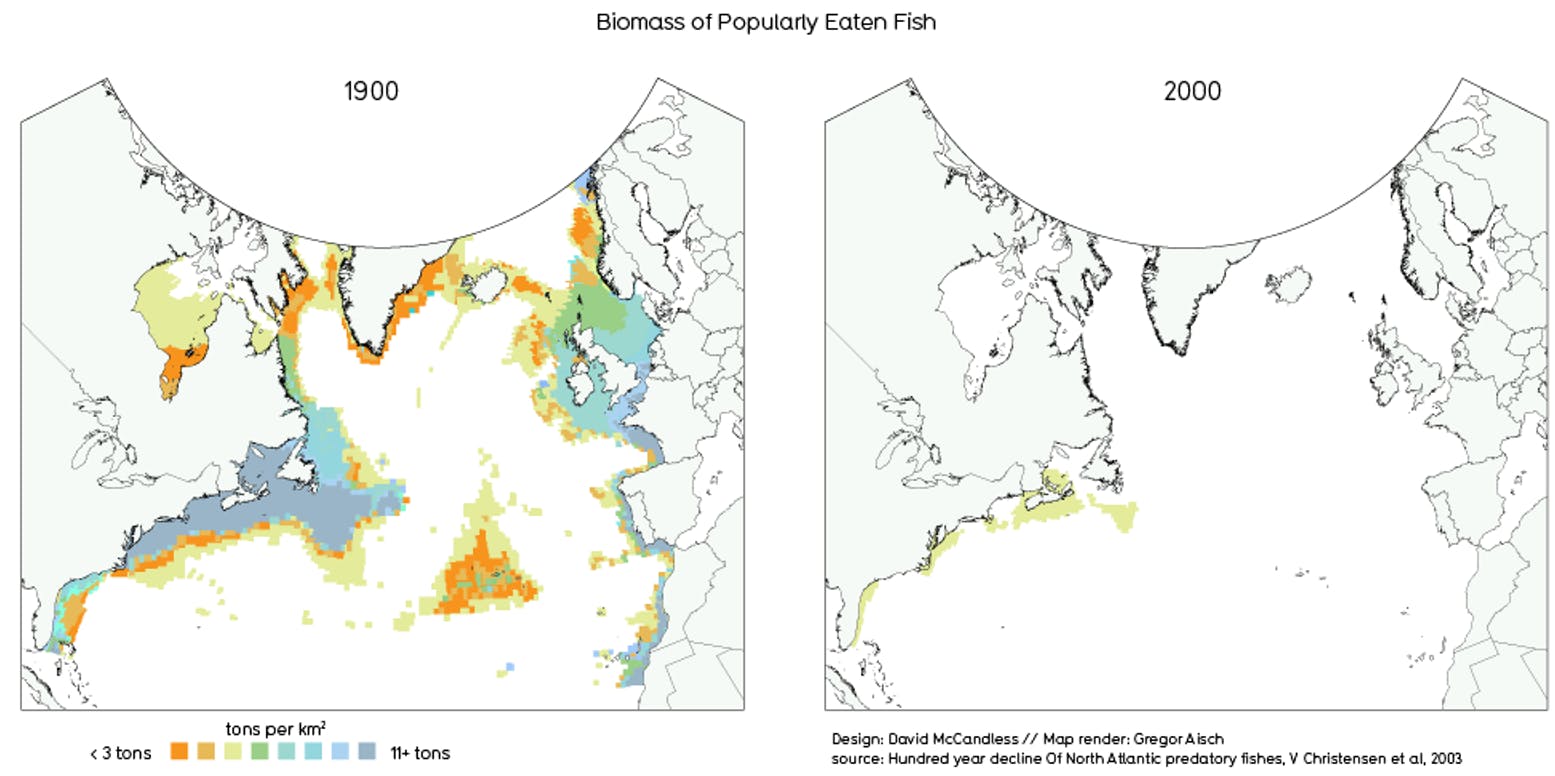
With only five years left to implement the 2030 Agenda for Sustainable Development, around 10% of the SDG 14 (Life Below Water) targets are on track or met. The health of the oceans is threatened by eutrophication, acidification, declining fish stocks, pollution and rising temperatures / marine heatwaves. Habitats are destroyed, biodiversity is declining, and the livelihoods of coastal communities are significantly impacted.
The third UN Ocean Conference will convene under the overarching theme ‘Accelerating action and mobilizing all actors to conserve and sustainably use the ocean’. The programme aims to promote additional and urgent action to conserve and sustainably use the ocean, seas and marine resources for sustainable development and to find further ways and means to support the implementation of SDG 14. The Conference’s outcome will take the form of:
A Political Declaration
Voluntary commitments that will be submitted by Member States and relevant stakeholders
together, referred to as the Nice Ocean Action Plan (annotated zero draft here).
“Protected areas are vital to conserving biodiversity, but we must ensure that they are not just legal designations on a map. Effective enforcement and governance models, particularly involving local and Indigenous communities, are critical to their success.”
Dr. Thomas Brooks, IUCN (International Union for Conservation of Nature)
Some countries are turning to innovative legal tools, such as the granting of legal personhood to ecosystems, in the same way as corporations have acquired these human-type rights. By recognizing the rights of Nature, new precedents are being set for how the law interacts with the environment.
New Zealand has granted legal personhood (in 2017) to the Whanganui River. India’s Forest Rights Act (enacted 2008) extended similar rights to an estimated 150 million forest-dwelling people, 40 million hectares of land, and 170,000 villages. In Uttarakhand the High Court expanded on a previous judgment (2017) in which it recognised the Ganga and Yamuna rivers as legal entities, by granting legal rights to the entire ecosystem.
“We, by invoking our parens patriae jurisdiction, declare glaciers including Gangotri & Yamunotri, rivers, streams, rivulets, lakes, air, meadows, dales, jungles, forests wetlands, grasslands, springs and waterfalls, legal entity/ legal person/juristic person/juridicial person/ moral person/artificial person having the status of a legal person, with all corresponding rights, duties and liabilities of a living person, in order to preserve and conserve them. They are also accorded the rights akin to fundamental rights/ legal rights.”
Ecuador gave legal rights to nature in its Constitution adopted in 2008. And Columbia has recently recognised indigenous peoples as environmental authorities, granting them the authority to protect, manage and conserve biodiversity within their territories.
These legal innovations recognize the intrinsic value of ecosystems and could pave the way for stronger and more-widespread forms of environmental protection.
Article content
3. COP30 and Global Climate Actions / NDCs
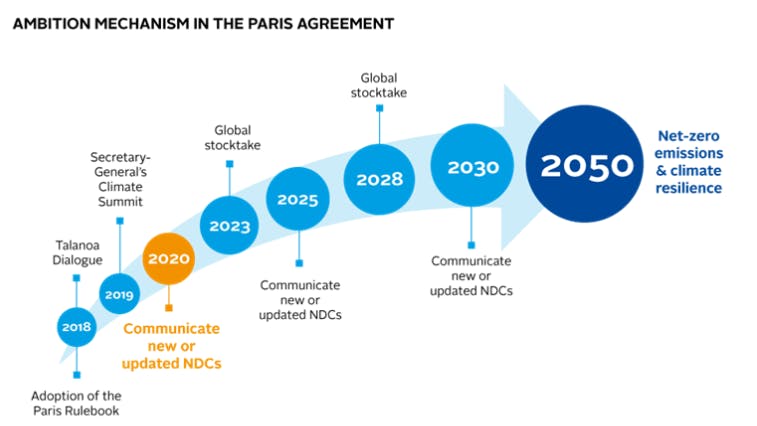
COP30, the 30th (Annual) Conference of the Parties to the UNFCCC (United Nations Framework Convention on Climate Change) is set to take place in Belem, Brazil, from 10-21 Nov 2025.
The conference will aim to accelerate the implementation of the Paris Agreement by strengthening NDCs (Nationally Determined Contributions) and focusing on science-aligned and investable long-term strategies for reducing global GHG emissions. NDCs and national transition plans also provide clear signals on the policies that countries have to implement the outcome of 2023’s First Global Stocktake (GST) and its call to (i) transition away from fossil fuels, double renewable energy and triple energy efficiency by 2030, and (ii) accelerate action on methane emissions and phase out inefficient fossil fuel subsidies.
After most nations missed an initial February deadline to submit their new NDCs, Brazil’s COP30 and UN officials are encouraging countries to produce updated targets by September.
The Global Stocktake also emphasised the need to conserve, protect and restore nature, including through the halting and reversal of deforestation and forest degradation by 2030.
In his letter of 23 May 2025, COP30 President-designate André Aranha Corrêa do Lago draws upon the GST outcomes and calls upon all public and private stakeholders to work together to halt and reverse deforestation and forest degradation by 2030 and to accelerate the global energy transition by advancing efforts towards “tripling renewable energy capacity globally, doubling the global average annual rate of energy efficiency improvements, and transitioning away from fossil fuels in energy systems, in a just, orderly, and equitable manner.”
To ensure justice in transitions and sustainability in success, Corrêa do Lago highlights:
the need for systems thinking and an “ecology of perspectives”
the Global mutirão (coming together to work on a shared task and support one another)
the importance of “rebuilding a global infrastructure of trust [during the June SB62 climate meetings in Bonn] for accelerated and scaled outcomes”
the need “to shift gears in Bonn from possible moments of zero-sum confrontational approach to one of empathy and solidarity”
“COP30 will be a defining moment in the fight against climate change. It’s not just about setting more ambitious targets—it’s about making sure those targets are met and that vulnerable nations are supported in the face of increasing climate impacts.”
Patricia Espinosa, Executive Secretary, UNFCCC
"Our goal in Bonn is to rebuild trust in the negotiations. That’s important. I believe this is one of the key themes. Secondly, we want to instill a sense of urgency — to make Bonn reflect the climate emergency and inspire collective action”
Ana Toni, COP30 CEO
COP30 is expected to emphasize the need for climate justice, with a focus on vulnerable countries and populations who are disproportionately impacted by climate change. COP30 will also serve as a platform to discuss climate finance, technology transfer, and capacity building for developing countries. Special focus will be given to the Global Goal on Adaptation (GGA) indicators under the UAE-Belém Work Programme; the UAE Dialogue on implementing the GST outcomes; and the UAE Just Transition Work Programme.
A key COP30 issue will be the implementation of Loss and Damage mechanisms to address the most severe impacts of climate change. COP30 is also expected to take bold steps in tackling the emerging challenges of climate migration, adaptation and resilience.
The June 2025 SB62 meeting papers were published today.
Please also refer to previous posts COPs/Ecocide update and COPs /Climate Finance Solutions, for a wider discussion of ecocide, climate action and the need for more structural forms of climate funding.
Article content
4A. Saving Nature: CBD COPs and Global Biodiversity Protection/ NBSAPs
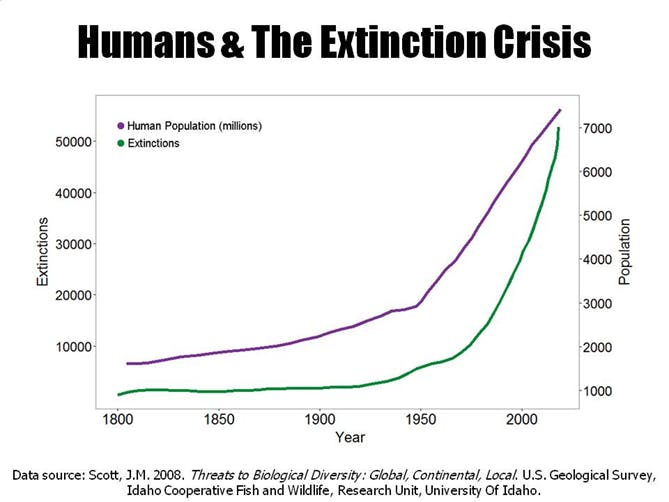
The global stock of coral reefs, wetlands, tropical forests, plants, insects and animals have all been collapsing for many decades, for some probably centuries. We are in the midst of the Sixth Great Extinction – the extinction rate is over 1000 times the natural norm.
“We are moving rapidly into the post-Darwinian era, when species other than our own will no longer exist.”
Freeman Dyson
The CBD COPs convene biennially – the last two CBD COPs have been of particular significance. The US is the only country that is not a party to the CBD.
In Dec 2022, countries met in Montreal and concluded the much-postponed 2022 CBD COP15 (originally to be hosted in Kunming, China). They agreed on a groundbreaking new plan to stop the global decline of nature. The Kunming-Montreal Global Biodiversity Framework lays out 4 targets for 2050 and 23 targets for 2030, including the 30 by 30 goal - to conserve at least 30% of all land and water-based biodiversity by 2030. It succeeds the Aichi Targets of the 2010s, none of which were achieved.
In the same manner as the NDCs under COP30, revised and updated NBSAPs (National Biodiversity Strategies and Action Plans) are to be submitted to the CBD central NBSAP repository, in line with the Global Biodiversity Framework.
In Feb 2025, CBD COP16 concluded in Rome, completing the progress made at the Oct 2024 COP in Cali, Columbia and providing a roadmap to close the Global Biodiversity Funding Gap.
4B. Saving Nature: The Global Biodiversity Funding Gap
Our best defence against the alarming declines in Nature rests with the CBD (UN Convention on Biological Diversity). The influential Financing Nature 2020 report estimates the Global Biodiversity Financing Gap at $700 billion p.a., a figure now used as a standard reference. The report provides four central insights:
Closing the gap relies heavily upon government actions. Governments need to do more to protect natural capital and put in place a combination of policy reforms to reduce negative impacts on biodiversity, such as reforming harmful agricultural subsidies and reducing investment risk by public and private investors. Governments must also develop new financial innovations to increase available funding for conservation, promoting green investments, and supporting development of nature-based climate solutions, natural infrastructure and biodiversity offsets.
The private sector can play a pivotal role, but governments need to pave the way. Governments need to put in place the right regulatory environment, smart incentives and market structures to catalyze financial flows from the private sector into biodiversity conservation.
The only way to stop global biodiversity loss is to ensure that nature is appropriately valued in all economies. This will require bold political leadership and transformative policies, mechanisms and incentives that discourage harmful actions and encourage large-scale finance for nature.
The gap between the amount currently spent on biodiversity conservation and what is needed is large, but it can be closed. As of 2019, spending on biodiversity conservation was between $124-$143 billion p.a., against a total estimated biodiversity protection need of between $722-$967 billion p.a. Leaving a current biodiversity financing gap of between US$ 598-824 billion p.a.
“The results of this meeting show that multilateralism works and is the vehicle to build the partnerships needed to protect biodiversity and move us towards Peace with Nature… We now have a clear mandate to implement Article 21 and 39. As we do this and implement the other supporting elements for resource mobilization, the world will have given itself the means to close the biodiversity finance gap”
Astrid Schomaker, Executive Secretary, Convention on Biological Diversity
The largest portion of the $700 billion p.a. gap will come from national governments. Environmental ministries, for example, will need to put more resources toward stopping cattle ranchers from razing the rainforest, whereas agriculture agencies might have to fund more sea patrols to prevent overfishing.
Please also refer to previous posts COPs /Climate Finance Solutions and Nature Protection in 2045 for a wider discussion of proposed funding solutions, nature restoration and protected areas.
Climate Risk and the Financial Sector
In parallel, the ECB has taken up the mantle, setting clear expectations for financial institutions to identify, measure, and manage climate-related and environmental risks. With the exception of insurers / reinsurers, most financial institutions are arguably not realistic in their modelling and management of nature and climate related risks.
The impetus for change is increasing, with new laws, regulations and standards on the way. The ECB Climate and Nature Plan 2024-25 focuses on 3 core areas:
the transition to a green economy
the increasing physical impact of climate change
work on nature loss and degradation
The legal bases for mandating the integration of environmental protection into ECB policies are already in the EU Treaties.
“From the perspective of central banks and supervisors, the degradation of nature makes our economies, our companies and our financial institutions increasingly vulnerable.
We cannot ignore these vulnerabilities. Indeed, we need to deepen our understanding of how nature-related financial risk affects the economy and the financial system.”
Frank Elderson, Vice-Chair - ECB Supervisory Board – Sep 2024 speech
Article content
Multilateral and UN Climate Funding
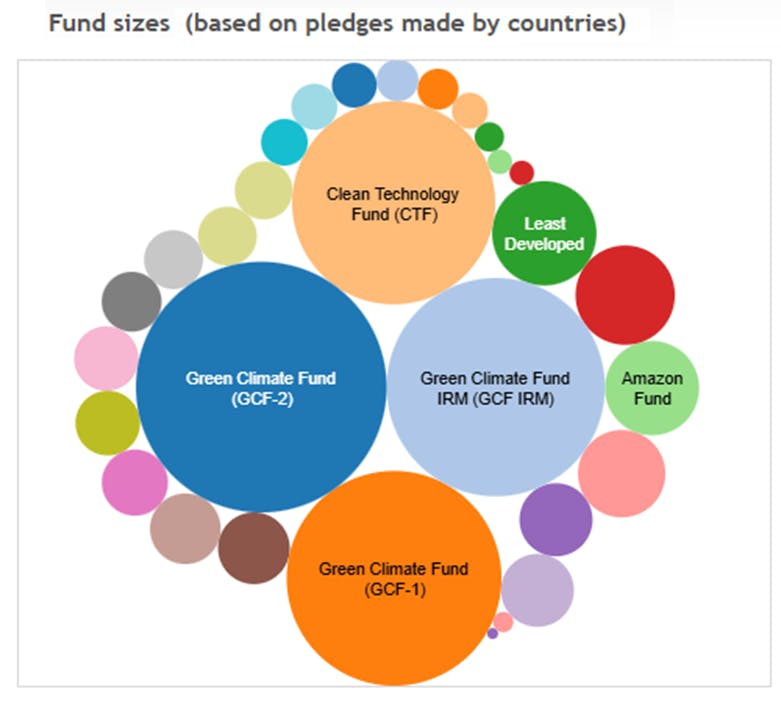
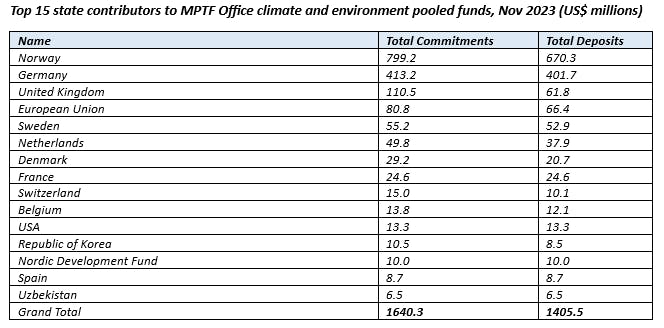
The last year has seen an increase of funding dedicated to biodiversity, driven by significant support for funds such as the Kunming Biodiversity Fund, the Central African Forest Initiative (CAFI), UN REDD Programme Fund, and the Systematic Observations Financing Facility (SOFF). A summary description of Multilateral and UN MPTF (Multi-Partner Trust Funds) is shown in the Appendix.
The People’s Republic of China has committed the largest amount of funding during the period, while Norway, the United Kingdom and Germany remain the largest donors in terms of deposits received. The Government of India has made a significant commitment to the Infrastructure resilient Accelerator Fund. And, New Zealand made its first large contribution to the portfolio, for the Global Fund for Coral Reefs.
With the world now facing $1+ bln climate disasters on a regular basis, mitigation and adaptation action is sorely needed. And the requirements will only rise through time, necessitating a fundamental rethink and reform of the current supporting financial architecture. With an adaptation funding gap now at $359 bln p.a. and mitigation spend being a multiple of adaptation spend in terms of impact, we must afford the scaling up of climate mitigation and adaptation action, in all its forms.
Multilateral Funds
Multilateral Funds list (figures in USD millions, Jan 2025)

Article content
Source: https://climatefundsupdate.org/the-funds/
Article content
Source: United Nations Multi-Partner Trust Fund Office; https://mptf.undp.org

Article content
5. The ICJ’s Advisory Opinion on Climate Change Obligations
In an important step towards legal accountability for climate change, the ICJ (International Court of Justice) is deliberating on a request from the UN General Assembly for an advisory opinion on state obligations regarding climate change. The request, initially put forward by Vanuatu and supported by more than 130 nations, asked the Court to clarify how international law applies to climate action. It seeks to define the precise legal obligations of states in preventing and mitigating climate change, as well as reparations to nations affected by rising sea levels and other climate change impacts.
As set out in December post The ICJ Climate Hearings,, the ICJ is to respond on the basis of a selected set of legislative instruments - treaty instruments, customary rules, principles and soft law instruments that constitute the pillars of the legislative model and United Nations. An integrated interpretation would allow the ICJ to incorporate climate obligations from the Paris Agreement into such instruments. The ICJ will also take into account other international and national court rulings on the same subject, namely:
ITLOS (GHG emissions absorbed by the ocean are a form of marine pollution, subject to international controls);
ECHR (the binding Klimaseniorinnen ruling ordering Switzerland to revise its climate policies); and
the South Korea Constitutional Court (the Carbon Neutrality Act failed to set GHG reduction targets beyond 2030, effectively passing the burden of climate action to future generations).
“The ICJ’s advisory opinion could provide the clarity and legal basis needed for future climate litigation, ensuring that states are held accountable under international law for their contributions to the climate crisis.”
Dr. Harjeet Singh, ActionAid
“This may well be the most consequential case in the history of humanity.”
Ralph Regenvanu, Vanuatu’s Special Envoy for Climate Change and Environment
“We are on the front lines of climate change; Vanuatu is projected to lose 25% of its gross domestic product (GDP) every year due to climate disasters. The impacts are already being felt by our communities. The lives of present and future generations are at stake."
Arnold Kiel Loughman, Attorney-General for the Republic of Vanuatu
Fresh from COP29 and the ensuing discontent in Azerbaijan, the ICJ case #187 hearings concluded in Dec 2024 in The Hague.
While the opinion from the ICJ is advisory and therefore non-binding, it carries significant weight. The Court’s previous rulings on environmental and human rights issues have influenced domestic legislation and global treaties.
The outcome of this case, expected by 2025-26, could shape future international climate agreements and provide a stronger legal foundation for climate litigation worldwide. This development highlights the growing recognition that climate change is not only a political and scientific issue but also a profound legal challenge that requires clear, enforceable commitments.
6. IACHR and Climate Justice in Latin America
In parallel, the IACHR (Inter-American Court of Human Rights) is considering its own advisory opinion on the intersection of human rights and the environment. The opinion, originally requested by Colombia and Chile, aims to define how states should uphold the rights of those affected by climate change under the American Convention on Human Rights.
“Climate change is not just an environmental issue; it is a human rights crisis. The IACHR’s advisory opinion could fundamentally change how the region addresses the human toll of climate impacts, particularly for marginalized communities.”
Professor Rosa María Rodríguez, University of Chile
This is a crucial development in Latin America, where climate change is disproportionately affecting marginalized groups, particularly Indigenous communities and people living in coastal areas. The advisory opinion could establish a legal precedent for holding governments accountable for failing to prevent environmental harm that directly threatens fundamental human rights.
Given that the IACHR has historically played a key role in advancing human rights in the Americas, its opinion could catalyse greater climate litigation across the region and push governments to integrate climate considerations more deeply into their human rights policies.
“States have the obligation to incorporate a climate justice perspective when designing and implementing comprehensive policies, laws, practices, plans, and programs to address climate change. All of these measures, based on human rights, must seek to balance the inequalities of individuals or communities in proportion to their direct or indirect contribution to climate change. In particular, they must focus on people in vulnerable situations, who have contributed minimally to climate change but suffer its greatest consequences due to their lack of capacity and resources to address its effects. States in the region that contribute the most, or have historically contributed the most, to climate change must make a greater effort to share responsibilities related to climate mobility and its consequences.”
Dec 2024 IACHR decision on Climate change mobility (English translation) and IACHR press release.
7. IPBES
In 2025, IPBES (Intergovernmental Science-Policy Platform on Biodiversity and Ecosystem Services) is expected to release its latest ‘nexus assessment’ on biodiversity and ecosystem services, with a focus on nature-based solutions to climate change and biodiversity loss. The IPBES 11th Session Report - Summary for Policymakers was released in Dec 2024. The foundational IPBES Global Assessment Report on Biodiversity and Ecosystem Services, was published back in 2019.
“The future of humanity is inextricably linked to the health of our ecosystems. The IPBES assessments provide the critical evidence we need to make informed decisions about how we manage our planet’s natural resources.”
Dr. Anne Larigauderie, Executive Secretary, IPBES
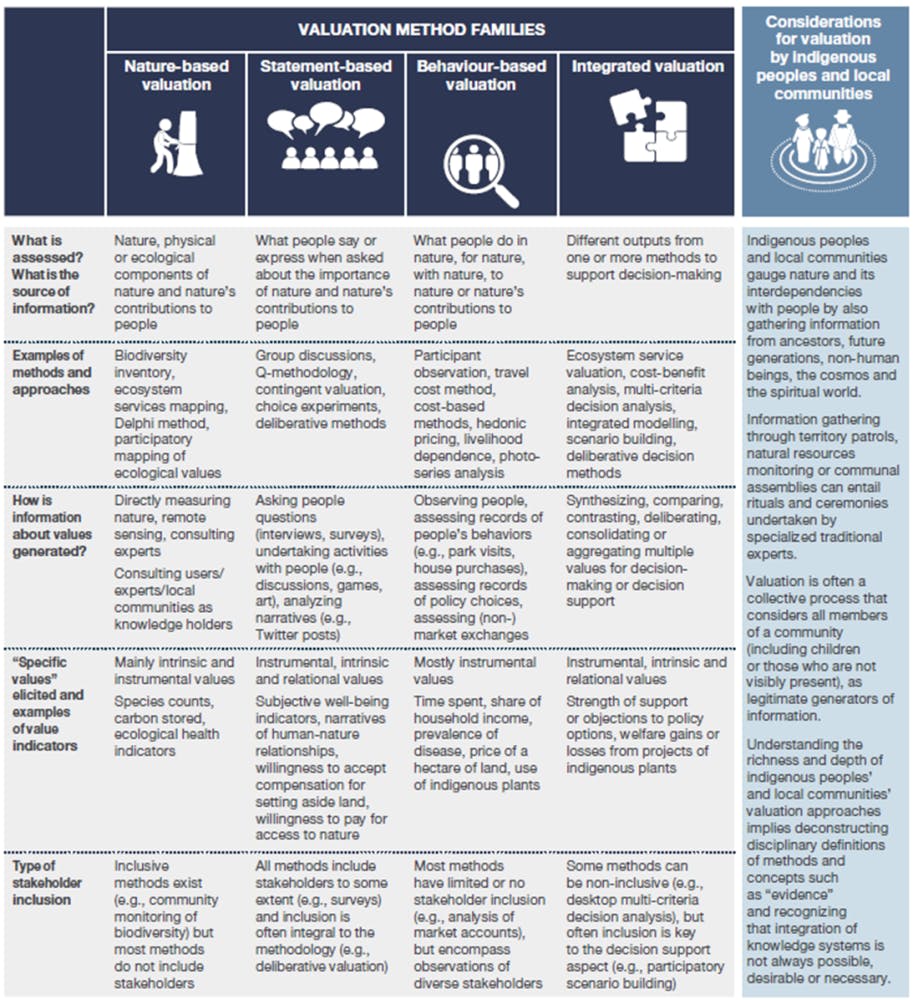
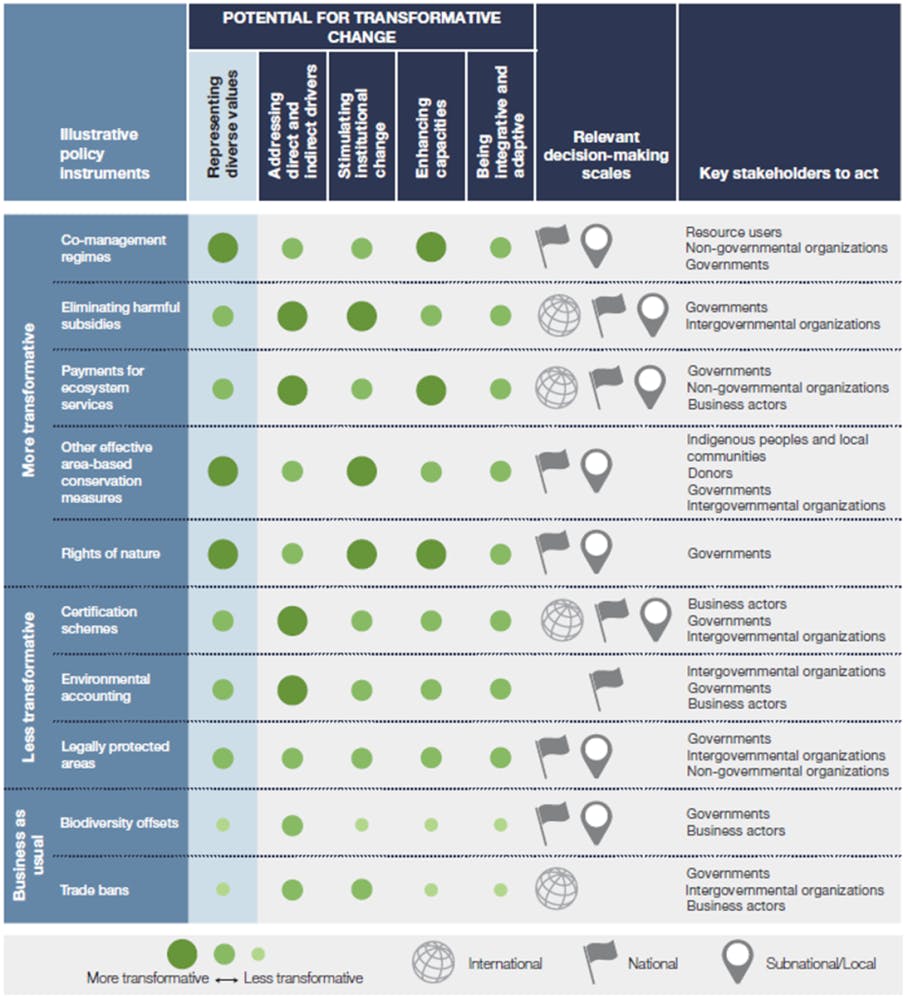
IPBES assessments serve as essential tools for governments and international organizations in setting evidence-based environmental policies. In particular, work on the methodological assessment and valuation of ecosystem services and assessing the impacts of human activities on biodiversity is increasingly influential.
Article content
Source: IPBES (2022) - Summary for policymakers - Methodological assessment of the diverse values and valuation of nature
Article content
Source: IPBES (2022) - Summary for policymakers - Methodological assessment of the diverse values and valuation of nature
8. EU Omnibus Proposals and ‘Stop the clock’ Directive
The European Commission has released an Omnibus package of proposals to reduce the burdens of sustainability reporting and due diligence requirements. Only the largest companies will currently report under ESRS (European Sustainability Reporting Standards) and a subset of those companies will continue to report under the EU Taxonomy.
In May 2025, the EU adopted a two-year postponement in mandatory reporting under ESRS and EU Taxonomy for second- and third-wave companies, under the ‘Stop the clock’ directive. Member states have until 31.12.2025 to transpose the directive into national law.
EU Vision for Agriculture and Food
Back in Jan 2024, the European Commission launched the strategic dialogue on the future of EU agriculture, a forum of 29 major stakeholders to shape a shared vision for EU farming.
Building on the Strategic Dialogue on the Future of EU Agriculture final report, and in consultation with the European Board for Agriculture and Food (EBAF), the Vision for Agriculture and Food was released in Feb 2025.
The Vision aims to secure the long-term competitiveness and sustainability of the EU’s farming and food sector. It sets out a roadmap for the EU, proposing key pathways for the future of EU agri-food policy until 2040.
2023 EU Forest Monitoring Law
Most European forests are used to produce wood. These ‘production forests’ are usually managed to maximise wood harvests. As a result, they are losing their biodiversity and capacity to absorb and store carbon. Forests must be regarded as complex, interconnected ecosystems. It is essential to monitor biodiversity and forest ecosystem services—critical components that have been largely overlooked.
The FML is an EU legislative proposal aimed at improving the evidence base surrounding European forests. It requires both the European Commission and EU member states to collect and share key forest data, to underpin better forest management in Europe. The proposed Forest Monitoring Law (FML) provides a framework to gather this knowledge, enabling decisive action to reverse the current poor health and unfavourable conservation status of EU forests while advancing our climate objectives.
In 2025, the Polish Presidency will work to bridge positions on the FML and aim to reach a final agreement with Member States. The EU Draft Report on the FML has watered down some of the data (Earth Observation) provisions, the final draft is expected to be approved in June 2025.
2024 EU Nature Restoration Law
The EU Nature Restoration Law is a key component of the EU Biodiversity Strategy which aims to bring back some of Europe’s lost nature (81% of habitats have poor status), while addressing the biodiversity and climate crises.
As with NDCs and NBSAPs, the new law requires Member States to develop and adopt NRPs (National Restoration Plans). Such NRPs must detail how they will achieve the law’s targets and obligations, setting out milestones for 2030, 2040 and 2050.
The law requires Member States:
to halt the loss of urban green and increase urban green space and urban tree canopy cover (no net loss by 2030, steady gains from 2030)
to restore the natural connectivity of rivers and the natural functions of related floodplains (at least 25,000 km of rivers to be restored to a free-flowing state by 2030)
to halt and reverse pollinator decline
to restore and rewet peatlands under agricultural use
to put in place measures aiming to increase farmland bird populations and to achieve a positive trend in certain other key biodiversity indicators in agricultural ecosystems
to achieve a positive trend in a range of biodiversity indicators in forest ecosystems
to contribute to the EU-level commitment of planting at least three billion additional trees by 2030
The EU will enlarge existing Natura 2000 areas, with strict protection for areas of very high biodiversity and climate value. The European Environment Agency will draw up regular technical reports on progress towards the targets.
Member States can mobilise the necessary funds from public and private sources, including from EU funds. They can draw from a variety of EU funding opportunities, including the common agricultural policy funds, regional funds, the LIFE Programme, Horizon Europe (the EU research fund) and the European Maritime, Fisheries and Aquaculture Fund.
Article content
9. China
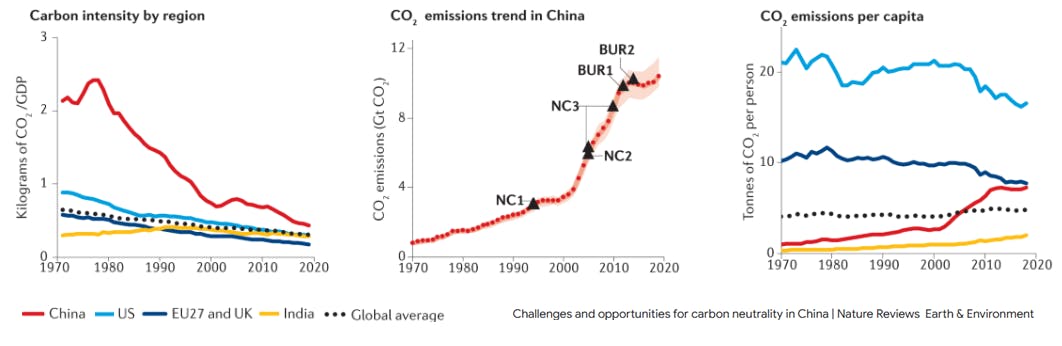
China has long been a champion of green development. After decades of sustained efforts, the country has emerged as a global leader in improving air quality and expanding forest resources. China is home to the world's largest total human-made forest area. In 2024 alone, China planted 4.45 million hectares of trees and improved 3.22 million hectares of grassland.
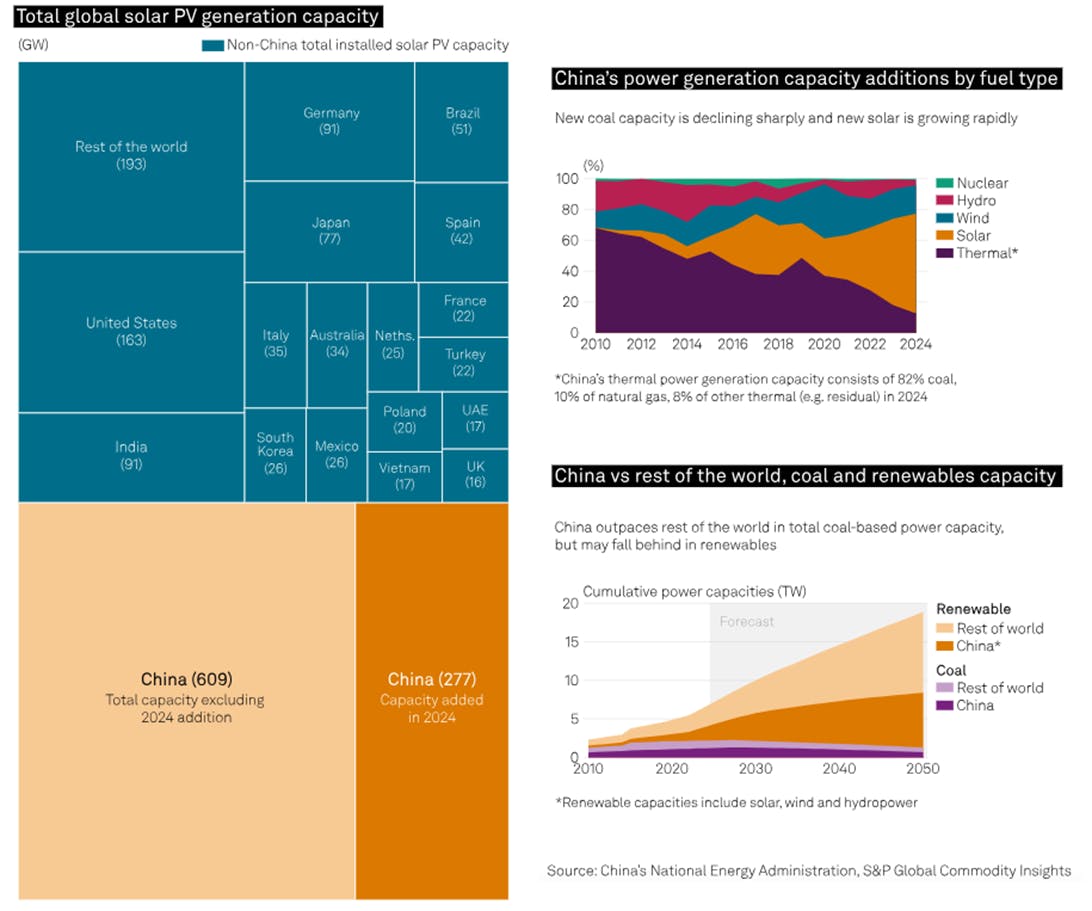
China is now the world’s dominant supplier of clean energy technologies and a net exporter for many of them. It holds over 60% of the world’s manufacturing capacity for most mass-manufactured technologies (e.g. solar PV, wind systems and batteries), and 40% of electrolyser manufacturing.
Given the notable decline and rollbacks in the US legal and regulatory environment, China is now the example all nations are looking to for inspiration, as the world fights to maintain and improve upon its climate change ambitions.
China’s New NDC
In April 2025, President Xi Jinping committed China to producing a comprehensive emissions reduction plan, under the UN climate process. In a speech widely seen as reaffirming the commitment of the world’s biggest polluter to global climate action, Xi reiterated that “no matter how the international situation changes, China will not slow down its efforts to address climate change” and that China would set new goals by 2035 “covering the entire economy, including all greenhouse gases” ahead of COP30.
China’s current target for 2030 – in its 2021 NDC– only covers CO2 emissions emitted by the energy sector. Accounting for a third of global emissions, China’s new NDC is of high significance – the current NDC goals are for peak CO2 emissions “before 2030”, carbon neutrality by 2060, and a pledge to reduce carbon intensity (CO2 emissions per unit of GDP) by 2030, by more than 65% below 2005 levels.
Article content
China’s New Environmental Code
April also saw the release of China’s first-ever environmental code. The draft, submitted to the Standing Committee of the NPC, comprises 1,188 articles in five chapters including general provisions, pollution prevention and control, ecological protection, green and low-carbon development, legal liability and supplementary provisions. Once adopted, it will become China's second formal statutory code, after the Civil Code (adopted in 2020). The compilation of the environmental code was initiated in 2023.
"The promulgation and implementation of the code will promote the integrated protection of air, water, soil, and biodiversity, as well as the coordinated management of mountains, rivers, forests, farmlands, lakes, grasslands, and deserts"
Wang Canfa, Professor - China University of Political Science and Law
"Having a separate chapter on green and low-carbon development is something that has never been done in other countries, and it is a significant feature of China's ecological environmental code"
Lyu Zhongmei, Vice chair - NPC Environmental Protection and Resources Conservation Committee
Draft Sustainability Disclosure Standard for Business Enterprise for climate
Comments on the climate standard were requested by 31 May 2025. The draft climate standard has been proposed to regulate the disclosure of information on climate-related risks, opportunities and impacts, and to ensure the quality of climate-related information in accordance with the basic standard (the Sustainability Disclosure Standards for Business Enterprise - Basic Standard) published in Dec 2024.
Joint Statement regarding UNOC-3 and COP30
On the 10th anniversary of the Paris agreement (27.3.2025), The People’s Republic of China and the French Republic released a joint statement on climate change, which concludes:
“In the run-up to the third United Nations Ocean Conference in Nice and on the occasion of the tenth anniversary of the adoption of the Paris Agreement, the two sides commit to:
Implementing the Paris Agreement in a comprehensive, complete and effective manner, informed by the outcome of the first global stocktake
Providing appropriate solutions to major challenges of the era within multilateral framework
Enhancing coordination in the run-up to the thirtieth session of the Conference of the Parties to the UNFCCC (COP 30), in support for Brazilian presidency to deliver the decisive conference a full success
Supporting climate actions… opportunities for global economy in the fields of investment, financing, competitiveness, innovation, employment and economic growth
Advancing the implementation of the decision on new collective quantified goal on climate finance (NCQG) adopted at COP29
Protecting biodiversity and ecosystems… work together to implement the Kunming-Montreal Global Biodiversity Framework and protect ecosystems… reaffirm their commitment at COP26 to halt and reverse deforestation and land degradation by 2030… promote Nature-Based Solutions
Strengthening global marine conservation... China will support France in holding a successful UN Ocean Conference (June 9-13 2025, Nice, France) in the most ambitious manner. The two sides are working toward the early entry into force of the Agreement under UNCLOS.”
Article content
10. Climate Attribution Science and the Courts
There is no question that a link exists between specific emissions and specific climate extreme events:
GHG emissions are well-mixed in the atmosphere and they stay in the atmosphere for many years
Global warming is increasing (at least) linearly due to cumulative emissions
Local damages are increasing due to global warming
The challenge comes with estimating the magnitude of damages attributable to a specific emitter, which relies on scientific modelling as well as a number of assumptions, such as the timing of emissions.
Courts and insurers are now considering claims based on accelerating climate change and improved climate attribution science, providing scientifically-grounded evidence for claims. The balance is shifting further away from carbon-emitting defendants, who resort to increasingly obstructive methods of defence. As with previous class actions and the liability loci they followed, now is the time for investors to fully exit, if they haven’t already done so.
Attributing specific climate damages to specific emitters
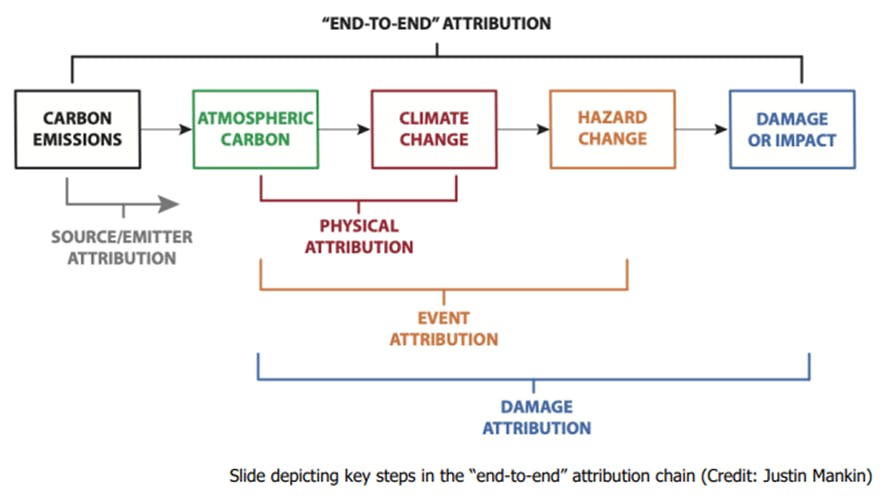
Importantly, a recent paper by Callahan and Mankin (2025) “Carbon Majors and the Scientific Case for Climate Liability” provides methods for end-to-end attribution studies that inform damage estimates in climate lawsuits.
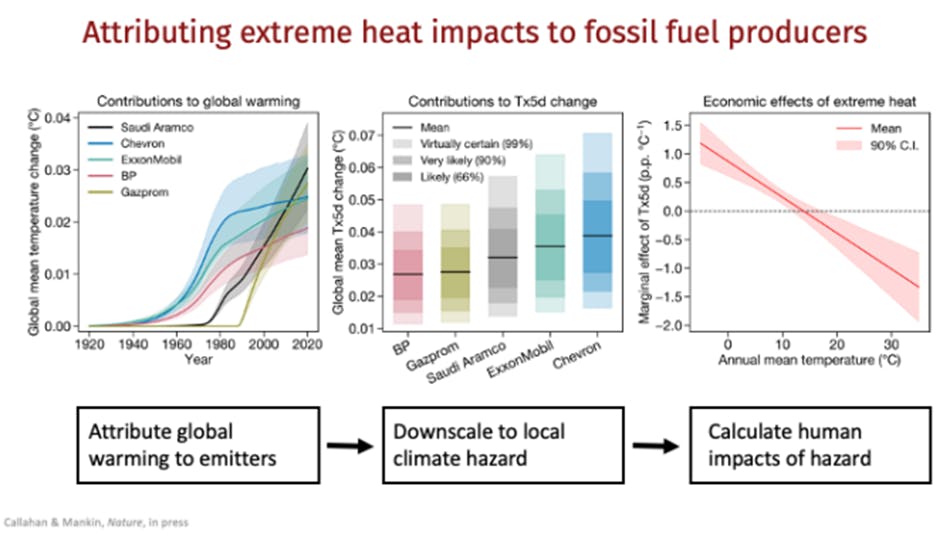
Climate damages are highly distanced in space and time from the emissions that caused those damages. Nonetheless, it is possible to build a causal chain that overcomes this complexity. Specifically, in an end-to-end assessment of heat-related damages attributable to carbon majors, a multistep attribution framework was created that involved: (i) determining the amount of global warming attributable to fossil fuel products from specific companies, (ii) downscaling to the local climate hazard (extreme heat) attributable to the global warming caused by each company’s products, and (iii) calculating the economic impacts of the attributable hazard.
The authors deploy the framework to provide the first causal estimates of regional economic losses due to extreme heat resulting from the emissions of individual fossil fuel companies. Their study concludes, conservatively, that extreme heat linked to carbon dioxide and methane from 111 companies cost the world economy $28 trillion (from 1991 to 2020), with $9 trillion of those losses attributable to the five top-emitting firms. Chevron alone is responsible for between $𝟳𝟵𝟭 𝗯𝗶𝗹𝗹𝗶𝗼𝗻 𝗮𝗻𝗱 $𝟯.𝟲 𝘁𝗿𝗶𝗹𝗹𝗶𝗼𝗻 in climate damage. Every additional 1% share of historical emissions equates to $𝟴𝟯𝟰 𝗯𝗶𝗹𝗹𝗶𝗼𝗻 in heat-related economic losses.
“Our findings demonstrate that it is in fact possible to compare the world as it is to a world absent individual emitters”
“The affluence of the Western economy has been based on fossil fuels… but just as a pharmaceutical company would not be absolved from the negative effects of a drug by the benefits of that drug, fossil fuel companies should not be excused for the damage they’ve caused by the prosperity their products have generated.”
Dr. Christopher Callahan, Stanford University
Article content
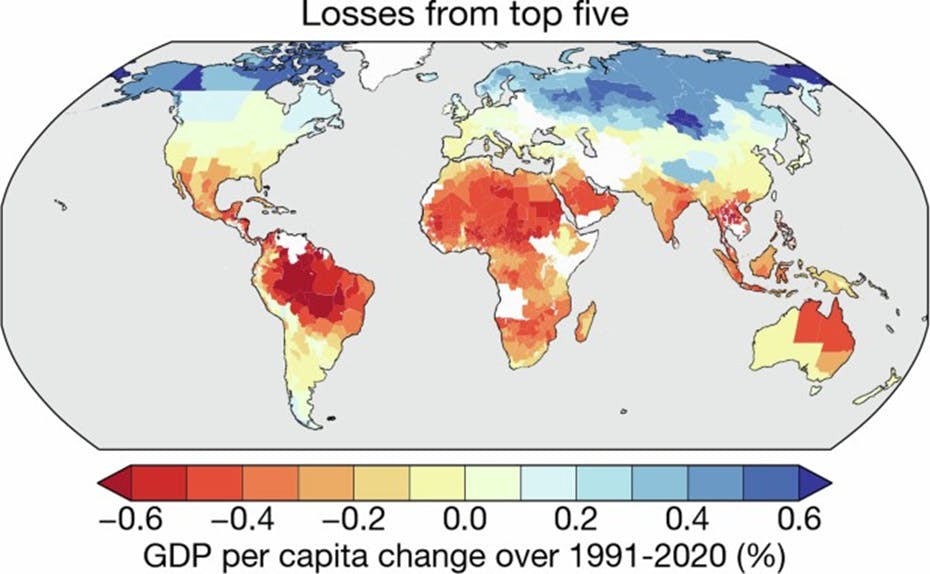
They were also able to map the spatial distribution of these damages, and found that tropical areas experienced the greatest damages.
Article content
11. Global Climate Change Litigation - Update
The Sabin Center for Climate Change Law (Columbia Law / Climate School) maintains detailed and growing databases for global litigation. As at the date of writing:
The Global Climate Change Litigation Database lists 1235 cases:
905 suits against Governments
323 suits against Corporations and Individuals
7 Advisory Opinion cases
The US Climate Change Litigation Database lists 2542 cases:
1345 Federal Statutory Claims
192 Constitutional Claims
645 State Law Claims
43 Common Law Claims
34 Public Trust Claims
44 Securities and Financial Regulation cases
56 Carbon Offsets and Credits cases
3 Trade Agreements cases
180 Adaptation cases
This is over 50% higher than 6 months ago, with an increasingly wide spectrum of private sectors involved in climate litigation.
Similarly, the number of new environmental laws is increasing rapidly and the number of climate legal cases is also rising dramatically.
The climate-laws.org global database currently lists
1288 laws
3174 policies
2070 UNFCCC submissions,
6808 reports
In the United States, numerous states and municipalities have sued fossil fuel companies, alleging that they should be held financially liable for the impacts of climate change in their jurisdictions.
In line with the Trump Administration's executive order, "Protecting American Energy from State Overreach" the U.S. DOJ recently filed pre-emptive lawsuits against Hawaii and Michigan, attempting to thwart further lawsuits. Pre-emptive lawsuits attempting to block other lawsuits are unusual, and it is unclear how the Trump Administration will frame its legal arguments. The question of federal pre-emption will become a crucial consideration in US-based litigation as fossil fuel companies and corporates challenge state efforts to regulate their behaviour and seek damages.
Despite the DOJ's filing, Hawaii went ahead with its lawsuit against fossil fuel companies in state court, alleging that the companies engaged in deceptive conduct about climate change for decades. The lawsuit also pointed to the devastating 2023 Maui wildfires, flooding and beach erosion as evidence of the price being borne by Hawaii's residents.
The DOJ has also filed complaints against New York and Vermont. A different approach was taken in New York and Vermont, both of which adopted "climate superfund laws" intended to hold fossil fuel companies liable for climate change impacts. The laws are more akin to a tax than superfund-type liability - rather than address damage at a specific site, the statutes impose a fee on major emitters and direct expenditure of the revenue to climate adaptation projects.
Article content
Conclusion
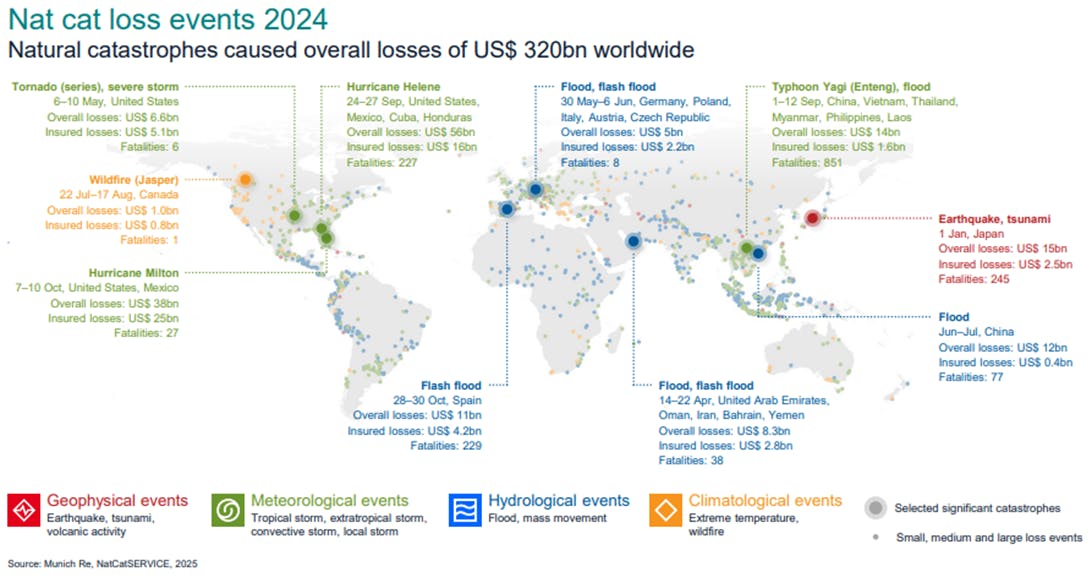
We can now see the path that Nature is taking more clearly - in terms of extreme events, their frequency, severity and the costs of restoration and adaptation. Nature is following the laws of physics, and the effects are beginning to ramp up. With the world now facing $1+ bln climate disasters on a regular basis, greater pro-active mitigation and adaptation action is sorely needed.
The climate change bills will only rise through time, necessitating a fundamental rethink and reform of the current supporting financial and legal architecture.
With rising damages and increasing numbers of disasters, the economic effects and legal consequences of the climate crisis are accelerating. We now need our legal systems to force us down the right path – against legacy energies and towards restoration, green and blue natural capital and survival.
Global legal systems are evolving to meet the current and future scale of the climate crisis. The number of new environmental laws is increasing rapidly and the number of climate legal cases is also rising dramatically. The climate-laws.org global database lists over 11,000 climate laws, policies, UNFCCC submissions and reports. The Sabin Centre for Climate Change Law lists 3,777 cases globally, up around 50% in the last 6 months. And the attribution science tools needed to demonstrate liability have also taken a leap forwards.
As 2025 unfolds, significant legal actions and developments in climate law are shaping the way governments, corporations and societies approach environmental protection, justice and climate accountability. These developments are across the board - from recent landmark cases at the ICJ and IACHR, the movement towards ecocide laws, to the expansion of protected areas, to COP30, CBD COP16 and IPBES.
Climate change is not only a scientific or political issue, it has become an important - perhaps the most important - legal issue. Slowly but steadily, the legal landscape for addressing climate change is actively shaping the future of global climate governance. Nations and large corporations will ultimately have to get on board, or follow the pariah’s path.
Recent developments signal a new era in climate law, where nations, corporations, and individuals will in future be held accountable by the full weight of the law.
The collective whole and the law are going to have to get all (or most) nations to commit to Carbon Liability Funds, Loss and Damage, Environmental Protection Funds, and Funds for Future Generations. Above all, a positive ICJ opinion will assist to put a straightjacket on future argumentation, and legal weight to the commitment process. In the long run no one is above the law.
The courts are the most important battlegrounds in the fight over planet-warming emissions. With rapid growth in the number of lawsuits (now over 3700) against governments, companies and individuals, the tide is rising on Big Oil and other major polluters.
#ColumbiaLawSchool - International database: https://lnkd.in/daW9D6jS
#ColumbiaLawSchool - US database: https://lnkd.in/dx3k9YUVLSE
#BAU #ICJClimateHearings #TheHague #INC #Vanuatu #ITLOS #ECHR #COP29 #COP30 #G20 #greenfinance #greenbonds #bluebonds #movethemoney #CarbonDebtSwaps #DebtforNature #ClimateAction #RightsofNature #IndigenousRights #HumanRights #EnviromentalGovernance #GlobalRestoration #ClimateChange #Conservation #Ecocide #SDGs #UNFCCC
Recent Posts
Trends in Climate & Legal Action 06.06.2025
Climate change is not only a scientific or political issue, it has become an important - perhaps the most important - legal issue. With rising damages and increasing numbers of disasters worldwide, the economic effects and legal consequences of the climate crisis are accelerating. We now need our legal systems to force us down the right path – against legacy energies and towards restoration and survival.
Overshoot 19.05.2025
The vast majority of nations currently follow an economic paradigm of unsustainable growth - of overshoot. Overshoot of population size, economic output, energy consumption, ecological degradation and use of technology. These growth and development patterns are causing escalating environmental dysfunction and a growing risk of ecological collapse. We are all on that same ship HMS Overshoot. Will we transition in time to meet up with HMS Drawdown and HMS Restoration? Or are we to join RMS Titanic as the Great Fossil Fuels Blowout reaches its fateful conclusion?
Societal Pivot Points or Climate Tipping Points – Which will come first? 22.04.2025
An analysis of system roadblocks in our race against climate change. We must find the societal pivot points back to true sustainability, before we cross the point of no return - climate tipping points. The situation demands global investment in and restoration of Nature in the face of climate changes of increasing magnitude and gravity.
Managing Climate Impact Risk and Uncertainty - The Pivot Point in Finance 02.04.2025
The precautionary approach to climate risks and their impacts on finance. With most climate impact risk assessments ranging from 0% to -20% losses, more work and knowledge are sorely needed. A ‘race to the top’ and Nature-based investments may prevail, once the bad news (everyone is in for massive losses) is out in the open.
The ICJ Climate Hearings 07.12.2024
The collective whole and the law are going to have to get all (or most) nations to commit to Carbon Liability Funds, Loss and Damage, Environmental Protection Funds, and Funds for Future Generations. A positive ICJ opinion will assist to put a straightjacket on future argumentation, and legal weight to the commitment process. In the long run no one is above the law. The alternative is to reform the UN COP process and for the 'most willing' nations to go it alone with other nations, as a 'super majority'.
Man-Earth system problems and solutions – Part 3 24.11.2024
Towards Ecologically Wiser Management Systems
Introducing a new blueprint for the ecological transition. As the new tools and systems needed for biodiversity measurement and valuation come online, true sustainability is not far away.
Man-Earth system problems and solutions – Part 2 17.11.2024
The Great Restoration of Nature – Nature and Water
Nature is still the best carbon removal and climate change solution we have. And water is the best protector and regenerator of Nature. As the COP process meets new hurdles, how will the new Nature and Climate solutions actually work?
Man-Earth system problems and solutions – Part 1 10.11.2024
The Great Restoration of Nature – A Proposed Global Environmental Framework
An examination of global system problems and potential solutions. Nature is still the best carbon removal and climate change solution we have. As Nations remain stuck in their orbits and revisit old ground, new structural Climate Finance commitments and solutions must take precedence.
An Update on the 2024 COPs 1.11.2024
Global Nature Financing - As we enter November and with COP 29 just under 2 weeks away, a brief run down of the recent COP events and publications/ announcements. Also the upcoming UNCCD COP16 in Riyadh - the biennial forum for reviewing progress to combat desertification.
Nature Protection in 2045 – The Impending Necessity of Nature Funding 27.10.2024
The Global Call for Ecosystem Restoration continued - In this decisive decade, our challenge is to scale up conservation, restoration and Nature Protected Areas. Greater finance for Nature is the goal - And it may come from some unexpected sources!
The 2024 COPs and Climate Finance Solutions 20.10.2024
Global Climate Financing - The 2024 COPs provide the opportunity to garner much greater commitments for climate action. The way forward is to create a centralised Environmental Funds sector - with ongoing funding that is automatic, rather than piecemeal and hard-fought.
Restoring Nature’s Green and Blue Lungs 13.10.2024
A Global Call for Ecosystem Restoration - There has never been a more urgent need to restore ecosystems than now. In this decisive decade, the challenge is to scale up the quantity and quality of projects, and redirect greater finance to nature, for as much impact as possible.
Beyond Normal - The Mechanisms behind our Extreme Weather 3.10.2024
The sheer number and severity of recent extreme weather events is a sign of things to come. With COP29 just a month away, what are the world's leaders going to do about it?
COP29 and New Climate Finance Initiatives 2.10.2024
With just 6 weeks to go, the world’s nations are set to decide on a new climate-finance goal, to go beyond the $100 billion per year target set at COP15 in 2009.
Earth's Energy Imbalance and Global Warming Solutions 25.09.2024
Alongside the massive expansion (and funding) of land restoration and regenerative agriculture schemes and the reduction of CO2, are other solutions on the horizon?
Restoring Natural Capital, Diversity and Resilience 21.09.2024
Despite a slew of international accords over the past three decades, along with 28 COPs, the rate of decline continues. Focus has diverted away from direct physical solutions, towards technology & market solutions supporting decarbonisation. Yet we have the solutions and available funding.
The Environmental Imperative 15.9.2024
The tipping risk elements of the Earth system, their nature and interdependence, and how to mitigate these risks going forwards.
APPENDIX
Multilateral Funds - Descriptions
Adaptation for Smallholder Agriculture Programme (ASAP)
The Adaptation for Smallholder Agriculture Programme is the International Fund for Agricultural Development’s (IFAD) main programme for channelling climate and environmental finance to smallholder farmers. The programme is incorporated into IFAD’s regular investment processes and is subject to rigorous quality control and supervision systems.
Since starting its operations in 2012, ASAP funding in two distinct phases (ASAP1 and ASAP2) has received USD 300 million in contributions and has helped eight million vulnerable smallholders in 43 countries cope with the impact of climate change and build more resilient livelihoods.
In 2021, the Enhanced Adaptation for Smallholder Agriculture Programme (ASAP+) was launched by IFAD as an expansion of the original ASAP initiative.
The Adaptation Fund is a financial instrument under the UNFCCC and its Kyoto Protocol (KP) and has been established to finance concrete adaptation projects and programmes in developing country Parties to the KP, in an effort to reduce the adverse effects of climate change facing communities, countries and sectors.
The Fund is financed with a share of proceeds from Clean Development Mechanism (CDM) project activities as well as through voluntary pledges of contributing governments as well as non-governmental or individual contributors. The share of proceeds from the CDM amounts to 2% of Certified Emission Reductions (CERs) issued for a CDM project activity.
The Amazon Fund is a mechanism focused on reducing emissions from deforestation and forest degradation, and the role of conservation, sustainable management of forests, and enhancement of forest carbon stocks (REDD+) and was created to raise contributions so that investments can be made in efforts to prevent, monitor and combat deforestation, as well as to promote the conservation and sustainable use of forests in the Amazon Biome.
The Amazon Fund is a public fund created by the government of Brazil and managed by a public bank, the Banco Nacional de Desenvolvimento Econômico e Social (BNDES), or the Brazilian Development Bank. Since its inception in 2009, the Fund has supported over 115 projects.
The BioCarbon Fund was set up as a public-private sector initiative managed by the World Bank. The fund supports projects that generate “multiple revenue streams, combining financial returns from the sale of emission reductions (i.e., carbon credits) with increased local incomes and other indirect benefits from sustainable land management practices”.
The fund comprises over 20 projects divided into two categories: the UNFCCC Clean Development Mechanism projects and the Verified Carbon Standard projects. The first two tranches of the BioCarbon Fund were founded in 2004 and 2007 and are now closed to new fund participation.
In 2013, the BioCarbon Fund launched a new initiative to support forest landscapes, namely the Initiative for Sustainable Forest Landscapes (ISFL). ISFL is capitalised via a new tranche of funding from the BioCarbon Fund. The initiative supports developing countries’ efforts to reduce emission through testing jurisdictional approaches that integrate reducing deforestation and degradation, sustainable forest management with the climate smart agricultural practices to green supply chains.
The ISFL funds large-scale programmes that aim to enable countries and the private sector to adopt changes in the way farmers work on the ground, as well as informing policies made at the international level.
Central African Forest Initiative (CAFI)
Launched during the 2015 United Nations General Assembly, the Central African Forest Initiative (CAFI) is a collaborative partnership that gathers the UNDP, FAO, the World Bank, six Central African partner countries and a coalition of donors. Its aim is to support governments in the region to implement reforms and enhance investments to halt drivers of tropical deforestation. CAFI’s climate & development objectives are attained through the implementation of ambitious national investment frameworks, addressing both direct drivers of deforestation (agriculture, wood energy, forestry and mining) and underlying drivers (lack of land-use planning and insecure land tenure, poor governance and rapid population growth).
CAFI supports strategic, holistic and country-level REDD+ and low emission investments in Central African countries that have high-forest cover by assisting local communities and authorities in mitigating climate change, reducing poverty, and contributing to sustainable and inclusive development. The 240+ million hectares of tropical rainforests in Central Africa represent a vital source of food, energy, shelter and spirituality for more than 60 million people, in countries with some of the lowest Human Development indices, highest food insecurity, and conflict zones. The Central African forests absorb c. 1.1 billion tons of CO2 from the atmosphere each year.
CAFI acts as a platform for partners to coordinate contextually relevant REDD+ projects in Cameroon, Central African Republic, Republic of Congo, the Democratic Republic of the Congo, Equatorial Guinea, and Gabon— facilitating cross-border learning and information sharing. Focusing on the implementation of National Investment Frameworks, encouraging donor coordination, and promoting inclusive participation, CAFI supports local governments and communities in addressing the three-fold crisis of climate change, biodiversity loss and poverty that the world is facing. The Fund has become a central financing instrument in Central Africa with 8.5 million ha under local management plans in DRC to help local communities and farmers protect forested land, and engage in sustainable forest management and deforestation-free agriculture
CAFI is funded by Germany, the United Kingdom, the Netherlands, France, the European Union Belgium, Sweden and the Republic of Korea. Participating and Recipient Organizations are: FAO, IFAD, UNCDF, UNDP, UNESCO, UNOPS, World Bank/IBRD, DRC National REDD+, AFD, Farm Africa, Initiative Development (ID), IUCN, One Acre Fund, The Nature Conservancy.
The Clean Technology Fund (CTF) is one of two multi-donor trust funds under the World Bank-hosted Climate Investment Funds (CIF) framework. It provides scaled-up concessional financing to support the demonstration, deployment, and transfer of low-carbon technologies with high potential for long-term greenhouse gas emissions reductions.
CTF investments focus on renewable energy, energy efficiency, and clean transport in middle-income and developing countries. The fund has been instrumental in pioneering innovative clean technologies, such as concentrated solar power (CSP), and more recently, in supporting battery storage, grid modernization, and climate-smart urban infrastructure.
CTF is implemented through a partnership with major Multilateral Development Banks, including the African Development Bank, Asian Development Bank, European Bank for Reconstruction and Development, Inter-American Development Bank, and the World Bank Group. It supports over 20 country investment programmes and multiple regional initiatives, encompassing more than 100 individual projects.
Congo Basin Forest Fund (CBFF)
The Congo Basin Forest Fund (CBFF) was a multi-donor fund set up in June 2008 to take early action to protect the forests in the Congo Basin region. Its aim was to support transformative and innovative projects to be complemented to existing activities, which were supposed to develop the capacity of people and institutions of the Congo Basin to enable them to preserve and manage their forests.
It provided a source of accessible funding, and encouraged governments, civil society, NGOs and the private sector to work together to share specific expertise. In November 2014 the British and Norwegian governments announced that they would not be releasing outstanding commitments to the fund. The CBFF has been closed since 2018.
Forest Carbon Partnership Facility
The Forest Carbon Partnership Facility (FCPF) is a World Bank multi-donor fund of governments and non-governmental entities, including private companies, and consists of two separate but complementary funding mechanisms, namely a Readiness Fund and a Carbon Fund.
The FCPF was created to assist developing countries to reduce emissions from deforestation and forest degradation, enhance and conserve forest carbon stocks, and sustainably manage forests (REDD+). Launched in 2007, the FCPF works with 47 developing countries across the world and 17 donors.
Forest Carbon Partnership Facility - Readiness Fund (FCPF-RF)
The Forest Investment Program (FIP) is a targeted programme of the Strategic Climate Fund (SCF) within the Climate Investment Funds (CIF) hosted by the World Bank. The FIP supports developing countries’ efforts to reduce deforestation and forest degradation (REDD+) and promotes sustainable forest management that leads to emission reductions and the protection of carbon reservoirs.
It works towards this goal by providing scaled-up financing to developing countries for readiness reforms and public and private investments, identified through national REDD+ readiness or equivalent strategies. The FIP is active in 23 countries.
Fund for Responding to Loss and Damage (FRLD)
The Fund for responding to Loss and Damage (FRLD), operationalised by a decision of the 28th Conference of the Parties (COP28) of the United Nations Framework Convention on Climate Change (UNFCCC), is part of the UNFCCC’s financial mechanism and serves in the same function for the Paris Agreement.
It is set up, initially for four years, as a financial intermediary fund (FIF) with a World Bank-hosted secretariat. In 2028, COP33 will decide if this set-up is to be made permanent or whether the FRLD will become a fully independent fund similar to the GCF.
The FRLD’s purpose is to assist developing countries that are particularly vulnerable to the adverse effects of climate change in responding to economic and non-economic loss and damage, including extreme weather events and slow onset events, especially in the context of ongoing and ex-post action that includes rehabilitation, recovery and reconstruction.
The Global Environment Facility (GEF) was established in October 1991 and restructured after the 1992 Rio Earth Summit to fund projects in developing countries that protect the global environment and promote environmentally sustainable development.
The GEF serves as a financial mechanism for multiple multilateral environmental agreements, including the UNFCCC, thereby supporting the implementation of the Paris Agreement. As one of the earliest established funding mechanisms, the GEF has long played a pivotal role in financing global environmental initiatives, including those addressing climate change.
Additionally, the GEF manages the Least Developed Countries Fund (LDCF) and the Special Climate Change Fund (SCCF), both established under the UNFCCC to support targeted climate change adaptation efforts.
Global Environment Facility (GEF8)
Global Climate Change Alliance
The Global Climate Change Alliance (GCCA) was an initiative of the European Union. Its overall objective was to build a new alliance on climate change between the EU and the poor developing countries that are most affected and that have the least capacity to deal with climate change. The GCCA worked through the European Commission’s established channels for political dialogue and cooperation at national and international level.
In 2015, GCCA entered a new phase by becoming the flagship initiative Global Climate Change Alliance Plus (GCCA+). New features and a strategic orientation towards supporting the 2015 Paris Agreement on Climate Change and the 2030 Agenda for Sustainable Development and its Sustainable Development Goals characterise this new phase, which ended in 2022.
Global Energy Efficiency and Renewable Energy Fund
The Global Energy Efficiency and Renewable Energy Fund (GEEREF) is a public-private partnership (PPP) designed to maximise the private finance leveraged through public funds funded by the European Commission and managed by the European Investment Bank (EIB).
GEEREF is structured as a fund of funds, and invests in private equity sub-funds that specialise in financing small and medium-sized project developers and enterprises (SMEs) to implement energy efficiency and renewable energy projects in developing countries and economies in transition.
Its successor fund, GEEREF NeXt, was under development but the effort lapsed on June 2020, before becoming operational.
The Green Climate Fund (GCF), established in 2010, is part of the financial mechanism of the UN Framework Convention on Climate Change (UNFCCC) and serves in the same function for the Paris Agreement. It aims to make an ambitious contribution for the implementation of the Paris Agreement and its mitigation and adaptation goals by supporting the paradigm shift in developing countries towards low-carbon and climate-resilient development pathways.
The GCF is currently the world’s largest dedicated multilateral climate fund and the main multilateral financing mechanism to support developing countries in achieving a reduction of their greenhouse gas emissions and an enhancement of their ability to respond to climate change.
Green Climate Fund (GCF-2)
Indonesia Climate Change Trust Fund (ICCTF)
The Indonesia Climate Change Trust Fund (ICCTF) is a national funding entity which aims to develop innovative ways to link international finance sources with national investment strategies. Created by the Government of Indonesia (GOI), it acts as a catalyst to attract investment and to implement a range of alternative financing mechanisms for climate change mitigation and adaptation programmes.
The ICCTF receives non-refundable contributions from bilateral and multilateral donors. The main funding mechanism of the ICCTF is the ‘Innovation Fund’, which provides grants to line ministries to support climate change related projects within the GOI.
Least Developed Countries Fund
The Least Developed Countries Fund (LDCF) was established at the 7th Conference of the Parties of the UN Framework Convention on Climate Change (UNFCCC) in 2001 (COP7) to meet the adaptation needs of least developed countries (LDCs). Specifically, the LDCF has financed the preparation and implementation of National Adaptation Programmes of Action (NAPAs) to identify priority adaptation actions for a country based on existing information.
LDCF is active in sectors including water, agriculture and food security, health, disaster risk management and prevention, infrastructure and fragile ecosystems. It also supports the implementation of National Adaptation Plans (NAPs), and the Least Developed Countries work programme under the UNFCCC. The Global Environmental Facility (GEF) administers the LDCF as a specialised trust fund and serves as a basis for programming resources.
The MDG Achievement Fund (MDG-F) was established by the Government of Spain and the United Nations Development Programme (UNDP) to accelerate efforts to reach the Millennium Development Goals. Environment and Climate Change was one of eight thematic areas supported by the MDG-F.
The objective of this part of the fund was to help reduce poverty and vulnerability in eligible countries by supporting interventions that improved environmental management and service delivery at the national and local level, increased access to new financing mechanisms and enhanced capacity to adapt to climate change. The MDG-F is no longer active.
Partnership for Market Readiness
The Partnership for Market Readiness (PMR) was a collaborative initiative of developed and developing countries, administered by the World Bank from 2011 until its conclusion in June 2021.
Established to utilise market instruments to scale up mitigation efforts, primarily in middle-income countries, the PMR initially aimed to prepare countries for participation in international carbon markets. Over time, it adopted a more flexible approach, providing grants and technical support for the design and implementation of various market-based tools contributing to mitigation efforts.
Pilot Program for Climate Resilience
The Pilot Program for Climate Resilience (PPCR) is a targeted programme of the Strategic Climate Fund (SCF), which is one of two funds under the Climate Investment Funds (CIF) framework. Launched in 2008, the PPCR supports developing countries in integrating climate resilience into their national development planning and budgeting processes.
The PPCR provides funding for technical assistance and investments aimed at building resilience to climate change, emphasising a learning-by-doing approach to inform broader climate adaptation efforts. Through its activities, the PPCR seeks to mainstream climate adaptation strategies into core development planning, consistent with poverty reduction and sustainable development goals.
Scaling-Up Renewable Energy Program for Low Income Countries
The Scaling-Up Renewable Energy Program in Low Income Countries (SREP) is a targeted programme under the Strategic Climate Fund (SCF), which is one of two trust funds comprising the Climate Investment Funds (CIF) framework. Established in 2009, SREP supports low-income countries in demonstrating the economic, social, and environmental viability of low-carbon development pathways in the energy sector.
The programme aims to expand energy access and stimulate economic growth through the deployment of renewable energy solutions, including solar, wind, small hydro, geothermal, and biomass. SREP provides financing for enabling environments, capacity building, and investment in renewable energy infrastructure to help low-income developing countries transition to sustainable energy systems.
The Special Climate Change Fund (SCCF) was established under the United Nations Framework Convention on Climate Change (UNFCCC) in 2001 to address the specific needs of developing countries in adapting to the impacts of climate change and enhancing resilience.
The SCCF finances the additional costs (incremental costs) associated with interventions aimed at climate change adaptation, beyond the regular development baseline. While adaptation remains the top priority, the SCCF also supports technology transfer and related capacity-building activities.
Administered by the Global Environment Facility (GEF) as a specialised trust fund, the SCCF is designed to catalyse and leverage additional financing from both bilateral and multilateral sources.
Launched in 2008 as the United Nations Collaborative Programme on Reducing Emissions from Deforestation and Forest Degradation in Developing Countries. UN-REDD is the UN knowledge and advisory platform on the forest solutions to the climate crisis.
Three UN agencies – UNEP, UNDP and FAO – have collaborated in the establishment of the UN-REDD Programme, a multi-donor trust fund that pools resources with the aim of significantly reducing global emissions from deforestation and forest degradation in developing countries. The UN-REDD Programme has been supporting 65 partner countries across Africa, Asia-Pacific, Latin America and the Caribbean and has been the largest international provider of REDD+ readiness assistance in terms of funding, expertise and geographical scope.
Along with contributing to national sustainable development, the primary outcomes of Fund programmes are to:
Mitigate climate change through REDD+ and reap additional benefits.
Increase country contributions to the mitigation of climate change, measuring, reporting and verifying that necessary institutional arrangements are in place.
Implement and safeguard REDD+ contributions with policies and effective institutional arrangements.
Built into Fund initiatives are the four cross-cutting themes of forest governance, tenure security, gender equality and stakeholder engagement. All are mandatory for achieving inclusive and sustainable results in the fight against climate change.
The first United Nations multi-partner trust fund dedicated to SDG 14, the Global Fund for Coral Reefs (GFCR) is the first and only blended finance vehicle dedicated to coral reefs globally. Hosting both a UN Multi-Partner Grant Fund and a privately-managed Investment Fund, the GFCR is designed to scale financial solutions and blue economic transition. Stakeholders hope to mobilize USD 500 million in grants and investment capital to put towards coral reef ecosystem conservation and resilience, and strengthening services in reef-dependent communities.
In more than 20 coral nations, GFCR focuses on incubating and scaling financial interventions and enterprises that address local drivers of coral reef degradation, unlock conservation funding flows, and increase communities’ adaptive capacities. Supported solutions include waste treatment and recycling facilities, coral reef insurance, sustainable aquaculture and agriculture, ecotourism enterprises, blue carbon credits, and sustainably financed Marine Protected Areas (MPAs).
Participating and Recipient Organizations: UNCDF, UNDP, UNEP, Blue Finance ECRE, Conservation International, Mesoamerican Reef Fund, The Nature Conservation, Wildlife Conservation Society
Systematic Observations Financing Facility (SOFF)
SOFF is a specialized UN MPTF that aims at closing the climate and weather observations data gap in compliance with the internationally agreed Global Basic Observing Network (GBON). It focuses on countries with the most severe shortfalls in observations and prioritizing Least Developed Countries and Small Island Developing States. Improving the availability of weather and climate observations from the most data sparse areas is essential for weather forecasts, early warning systems, and climate information services that save lives and livelihoods. The lack of such observations limits countries’ capacity to adapt to climate change and build resilience.
SOFF’s support to countries is provided in three phases (Readiness, Investment, and Compliance) with outputs designed to achieve sustained GBON compliance as an outcome. SOFF is a delivery vehicle for the UN Secretary General Early Warning for All initiative, and partners with Multilateral Development Banks for overall coordination and implementation.
Participating and Recipient Organizations: IFAD, UNEP, UNDP, WFP, WMO.
Since 2010, the DRC National REDD+ Fund has supported the national government in the design and implementation of strategic and holistic low emission development projects that address deforestation and environmental degradation concerns across the country.
Curbing greenhouse gas emissions requires expansive forests. Larger investments and efforts are needed to reduce deforestation and forest degradation (REDD+); measures that result in the sustainable management of forests and enhancement of forest carbon stocks. Committed to such principles, the DRC government created a national strategy in 2013 to implement a country-wide REDD+ framework.
The DRC National REDD+ Fund supports the facilitation and coordination of programmes that strengthen national ownership and efficiently allocate resources. Respecting social and environmental safeguards puts DRC on the road to reducing national emissions and preserving forest cover by 2030.
The Fund provides resources to partners striving to achieve national deforestation and sustainable environmental management goals. Action strengthens leadership in the areas of environmental and forest conservation, while broader objectives are to secure various types of innovative financing to assist the Government of DRC in advancing REDD+ priorities and implementing rapid, consistent, and effective solutions. Funded initiatives promote policy dialogue associated with the REDD+ process, and also measure and transparently monitor results in accordance with United Nations/REDD+ standards and UNFCCC guidelines. The three windows of the Fund are:
Capacity development and REDD+ investments
Payments for environmental services
REDD+ projects that generate carbon credits
By providing a clear entry point for financing the national REDD+ strategy for the DRC, the Fund facilitates the strategic use of contributions toward actions that enhance coordination, increase national ownership, and secure sustainable and holistic outcomes.
UN Decade on Ecosystem Restoration
The Multi-Partner Trust Fund for the UN Decade on Ecosystem Restoration 2021-2030 is the financial engine behind the implementation of the strategy of the UN Decade. The primary aims of the Fund are to combat declining biodiversity, support livelihoods and green jobs, enhance natural resource bases, and help societies adapt to and mitigate climate change through restoration of terrestrial, freshwater and marine ecosystems globally. In so doing, the Fund is an important mechanism for achieving the Sustainable Development Goals (SDGs) and the objectives of the Rio Conventions.
The Fund finances strategic interventions along the Flagship Initiatives of the UN Decade to spur an informed and coordinated #GenerationRestoration movement and turning the tide of ecosystem degradation. The focus is on supporting agents for change, action on the ground, and scaling up existing successful efforts in developing countries. This can be done also through convening dialogues, providing information, facilitating learning, and undertaking a coordination process at global, regional and national/local levels. Women and Indigenous people are particularly important target groups.
An Executive Board is responsible for the overall strategic guidance on the Fund. It is composed of representatives from UNEP and FAO as well as from donors and funding partners (contributing over USD 10m) and the UN MPTF Office (ex-officio). Ad hoc expertise is provided by the Advisory Board, existing platforms and networks of expertise on ecosystems restoration, and partners as well as from relevant governments, civil society, academia, private sector, or other entities.
Partnership for Action on Green Economy (PAGE)
The Partnership for Action on Green Economy (PAGE) puts sustainability and social equity at the heart of global economic policymaking. Reframing existing practices on sustainability not only fosters economic growth, but also increases income, creates jobs, reduces poverty and inequality, and strengthens the ecological foundations of national economies. Bringing together the expertise and convening power of the United Nations and that of national governments, private sector and civil society, PAGE provides comprehensive, coordinated and cost-effective packages of analytical, technical, and capacity services to 20 countries.
Aligned with the 2030 Agenda for Sustainable Development (and those SDGs related to economy, jobs, environment, and climate change), PAGE transforms sluggish economies into drivers for growth, sustainability, and social equity. Delivering transformational change relies on supporting the champions of green strategies, as well as informing policy processes, financing policy action, and encouraging strong national ownership.
Participating and Recipient Organizations: ILO, UNDP, UNEP, UNIDO, UNITAR
Climate Security Mechanism Joint Programme
The Climate Security Mechanism (CSM) is a joint initiative by the UN Department of Political and Peacebuilding Affairs (DPPA), the UN Development Programme (UNDP), the UN Environment Programme (UNEP), and the UN Department of Peace Operations (DPO). It aims to advance peace-positive climate action, catalyze climate-informed approaches to peace and security, and forge partnerships at all levels to exchange information and build the evidence base.
The Climate Security Mechanism Joint Programme is funded by Germany, the United Kingdom, Sweden, Norway, Ireland, Canada, the United Arab Emirates, France, Switzerland, Austria and Slovenia.
The Kunming Biodiversity Fund was established by UN Environment Programme (UNEP), the Secretariat of the Convention on Biological Diversity and UN Development Programme (UNDP) in May 2024 with a contribution from the People’s Republic of China.
The Fund’s mission is to facilitate the successful implementation of the Kunming-Montréal Global Biodiversity Framework at regional, national, subnational and local levels through a whole-of government and whole-of-society approach. It complements existing biodiversity funds to add value and contribute to comprehensive action to reverse the trend of biodiversity loss and achieve the outcomes set in the 2050 vision.
The Kunming Biodiversity Fund supports accelerated action to deliver 2030 Agenda and SDG targets and 2050 goals of the Kunming-Montréal Global Biodiversity Framework, particularly in developing countries.
Infrastructure Resilience Accelerator Fund (IRAF)
The work of the Infrastructure Resilience Accelerator Fund (IRAF) is possible thanks to the efforts of 4 contributors (India, UK, EU and Australia). These resources are pooled and channelled to participating organizations to promote joint action and multi-stakeholder partnerships, making a difference on the ground.
Bangladesh Local Govt Initiative on Climate Change
Established in 2016, the Joint Programme Local Government Initiative on Climate Change (LoGIC) in Bangladesh promotes local action on climate change adaptation. Programme stakeholders seek to enhance the capacity of vulnerable communities, local government institutions, and civil society organizations around planning and financing climate change adaptation solutions in climate vulnerable areas.
The Mali Climate Fund supports integrated and ambitious solutions—in line with the national strategy for disaster risk reduction and management—that mitigate the impact of climate change, improve biodiversity, reduce poverty, and achieve a resilient, green climate economy for all.
Aral Sea UN Human Security Trust Fund
The Multi-Partner Human Security Trust Fund for the Aral Sea Region in Uzbekistan (MPHSTF) uses a multi-sector and people-centered approach to build the resilience of communities affected by the current ecological disaster. Responses are the result of unified programmatic approaches and the application of timely and coordinated environmental, economic, food, health, and social solutions.
Aligning national policy priorities with international compacts, the Local Development Support for Energy Efficient and Renewable Energy Sources in Cuba works by building on similar initiatives and implementing measures that improve energy efficiency across the country and support local development and uptake of renewable energy in rural communities.
A multi-partner platform for private sector corporations, philanthropists, foundations, and global/local non-governmental organizations, the Lion’s Share Fund tackles current wildlife conservation and animal welfare crises by redirecting advertising funds to augment biodiversity and sustainable animal-care practices.
At the UNITLIFE Trust Fund, women are agents of change in addressing one of the world’s lesser known and underfunded diseases: chronic childhood malnutrition. UNITLIFE supports programmes that improve childhood malnutrition treatment availability and delivery, and expands women’s access to productive resources and livelihood opportunities.
One Planet Multi-Partner Trust Fund
Fundamental changes in the way we consume and produce are imperative for protecting the planet. The One Planet Multi-Partner Trust Fund supports the necessary shift and offers incentives to national and global leaders to adopt adaptable solutions that overcome challenges to realizing SDG 12 and make good on the 2030 Agenda for Sustainable Development.
Nature4Health (N4H)
Nature for Health (N4H) works to reduce the risk of pandemics by strengthening environmental aspects of One Health, a multidisciplinary inclusive approach focused on the interdependencies of human, animal and ecosystem health. N4H engages across sectors and communities at different societal levels to catalyse integrated policies, evidence-based action and capacity development for impact locally, nationally and regionally.
The International Climate Initiative (IKI) of the German Federal Ministry for the Environment, Nature Conservation, Nuclear Safety and Consumer Protection (BMUV) provided initial seed funding of €50 million. N4H is structured as a Multi Partner Trust Fund, initially with 8 Consortium Partners who leverage extensive multisectoral diverse One Health practical experience. N4H is administrated by the UN Multi-Partner Trust Fund Office. Additional partners are being sought.
Decarbonising Humanitarian Energy Multi-Partner Trust Fund
Propelled by a consortium of leading organizations and stakeholders, the Decarbonizing Humanitarian Multi-Partner Trust Fund facilitates the piloting of a Centralized Clean Energy Service (CCES) fit for humanitarian and fragile settings. It is designed to reduce energy consumption and costs for individual client organizations.
Stakeholder action supports the straightforward involvement of the private sector to increase Fund investment capacity and coordinates multiple projects (“bundling”) to achieve economies of scale and unlock financing mechanisms. Stakeholders open opportunities to improve energy access to displaced and local/host communities in tandem with producing a suite of evidence-based communications materials that promote lower carbon operations. Centralizing aggregation also reveals possibilities for integrating new financing mechanisms that support the transition to sustainable energy solutions or improved energy access for everyone.
Burundi Multi-Partner Trust Fund
To strengthen joint action around socio-economic indicators, Burundi SDG MPTF stakeholders implement initiatives that secure results for national framework objectives.
Country programme priorities are addressed via short-cycle projects to meet the needs of the most disadvantaged and marginalized, and help raise community resilience in the face of humanitarian and development shocks.
Designed to deliver strategic results that advance nature-positive development, stakeholders of The Nature Facility unlock investments to drive climate-smart and nature-wise solutions that address the drivers of environmental degradation and ecological instability and improve local community resilience.
The Nature Investment Facility is a Multi-Partner Trust Fund that will direct high-impact investments into the world's most at-risk ecosystems. It was born out of an urgent need for action to halt and reverse biodiversity loss and ecosystem degradation. Traditional approaches to conservation cannot meet the scale and the pace of the biodiversity crisis alone. The current paradigm in nature conservation falls short in addressing the fundamental challenges associated with how global production systems are set up, where finance flows and how it is valued by all segments of society.
To achieve the targets outlined in the Global Biodiversity Framework, there is a need to transcend the traditional boundaries of conservation. Grant funding alone will not be enough to close the nature financing gap and scale up necessary support for biodiversity. Private investment has the potential to unlock significant capital flows and foster a financial ecosystem that values and invests in nature over time. This is where the Nature Investment Facility, and its growing alliance of public-private partners, will work to deliver transformative change and nature-positive solutions that are both economically viable and socially and ecologically beneficial.
The Nature Investment Facility will drive private investment in nature-positive outcomes to protect, restore and sustain Natural World Heritage landscapes, 90% of which are Key Biodiversity Areas (KBA). These landscapes encompass Natural World Heritage Sites (WHS) and Biosphere Reserves that have been inscribed for their global significance for biodiversity and ecosystem services, providing significant benefits to society. For some species on the brink of extinction, these landscapes are a last line of defence.
The Nature Investment Facility will provide targeted investment through three pathways to unlock capital at scale and build a pipeline of nature-positive investable opportunities to address drivers of degradation. To achieve this goal, the Facility will focus its efforts into three main intervention themes, (1) Enabling Investment, (2) Catalysing Investment and (3) Direct Investment in the most at-risk World Heritage Centred Landscapes in the Global South.